Theme · 1979–2026 · 91 editions
Core flavours
This collection gathers the bottles of the Absolut core range, from the original blue label vodka to the flavours that have joined it since 1986. Peppar opened the way that year as the first flavoured vodka, and a long run of fruit and spice followed, all flavoured naturally with no sugar added. Each flavour is followed through its restylings, from the medallion changes of the 2010s to the 2021 redesign with handwritten wording and Country of Sweden engraved in the glass. Alongside them sit the overproof bottlings, the Absolut Nights range and experiments such as the paper bottle, all grown from the same everyday bottle.
-
Edition 1 of 91
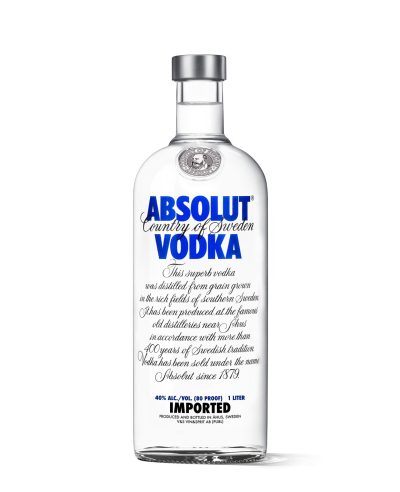
Blue Label 1979
1979 · 27 variants
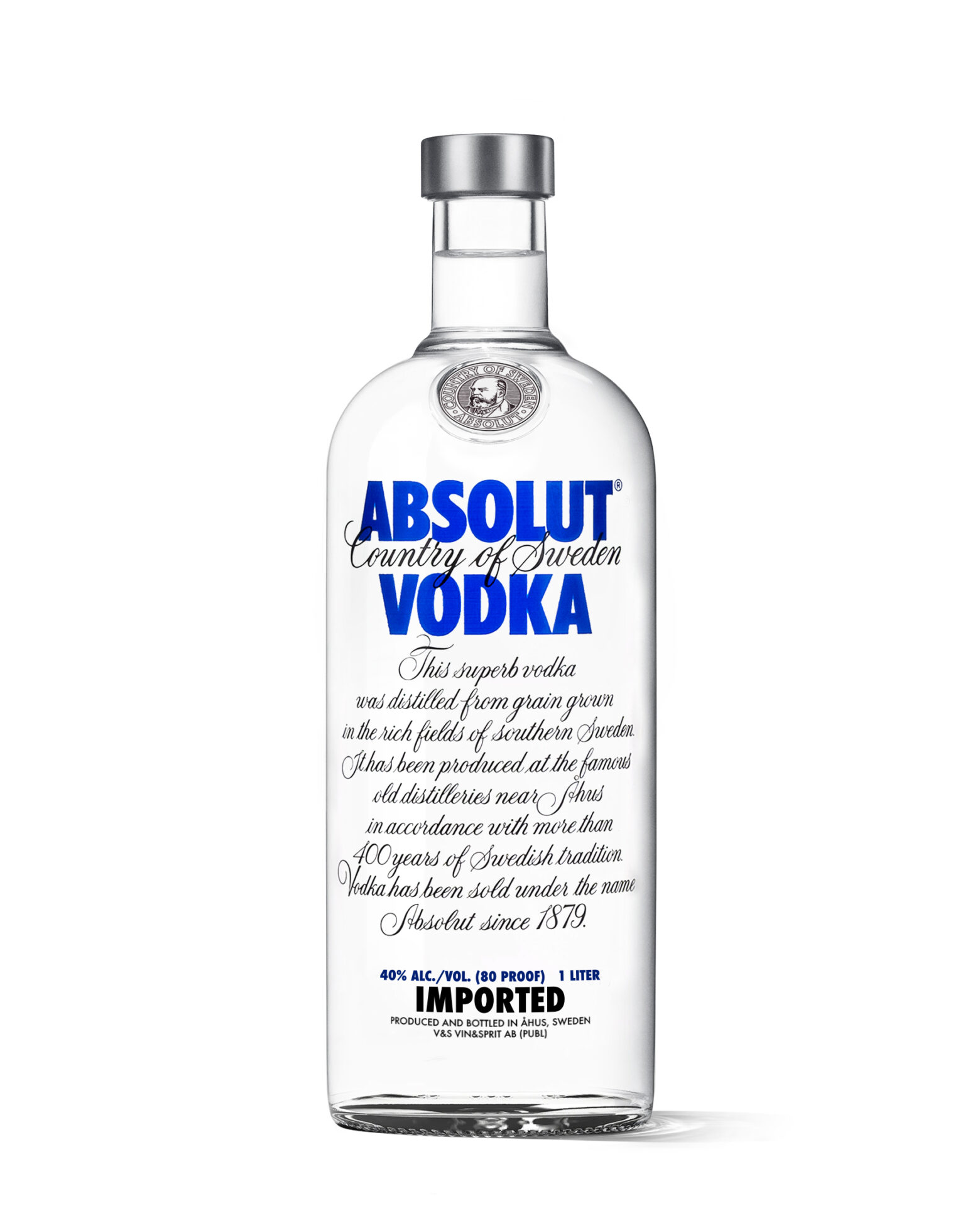
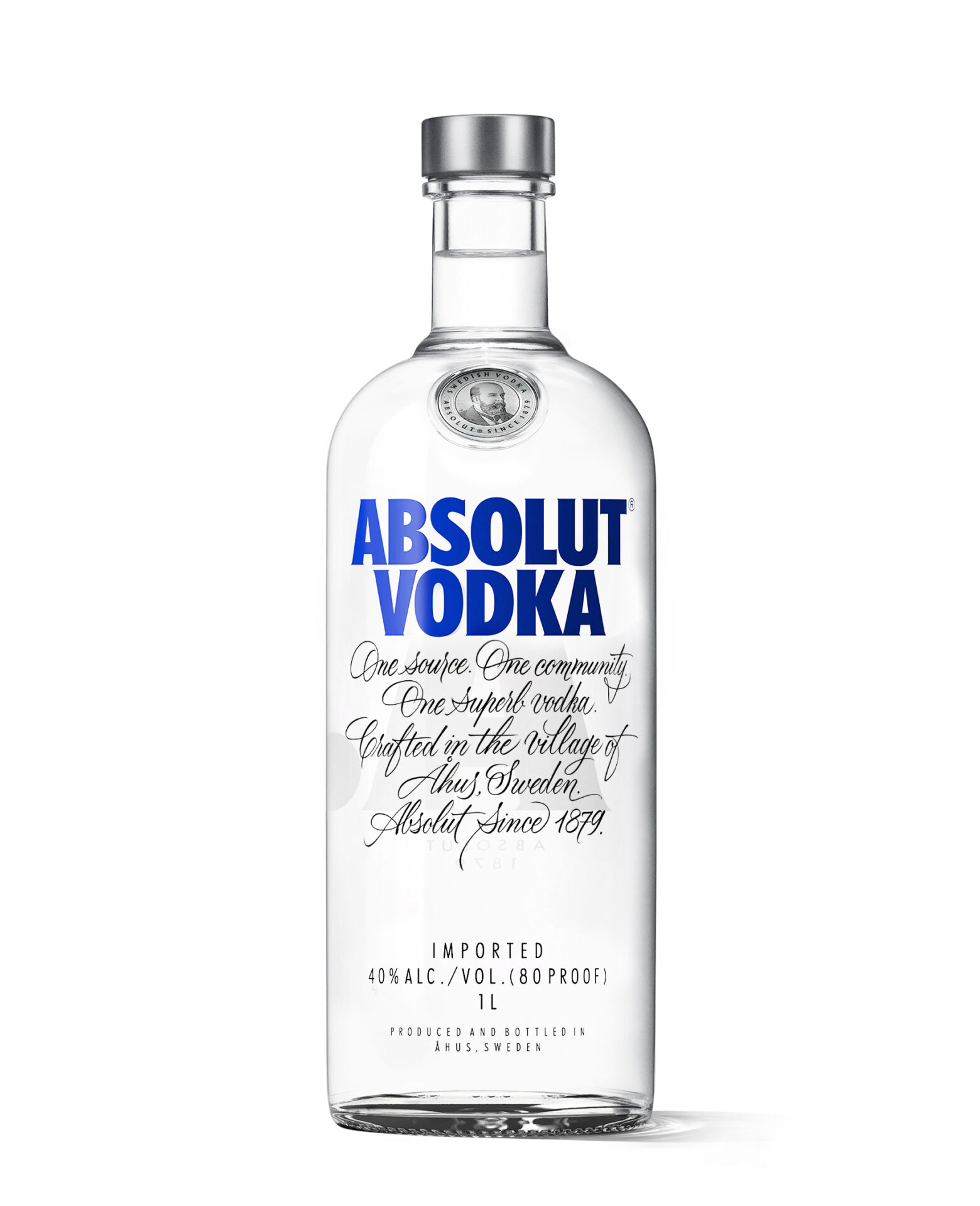
The bottle that started it all, launched in 1979 and drawn from an eighteenth-century Swedish medicine bottle found in a Stockholm antique shop. The glass is unpainted, unlabelled and carries the text directly — no medallion at the shoulder on the earliest runs, which are also wider and lower than what followed. It appeared at several strengths across markets, and in a plastic version.
Open the edition › -
Edition 2 of 91
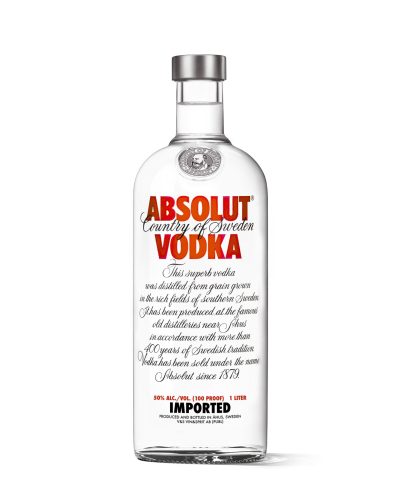
Red Label
1979 · 11 variants
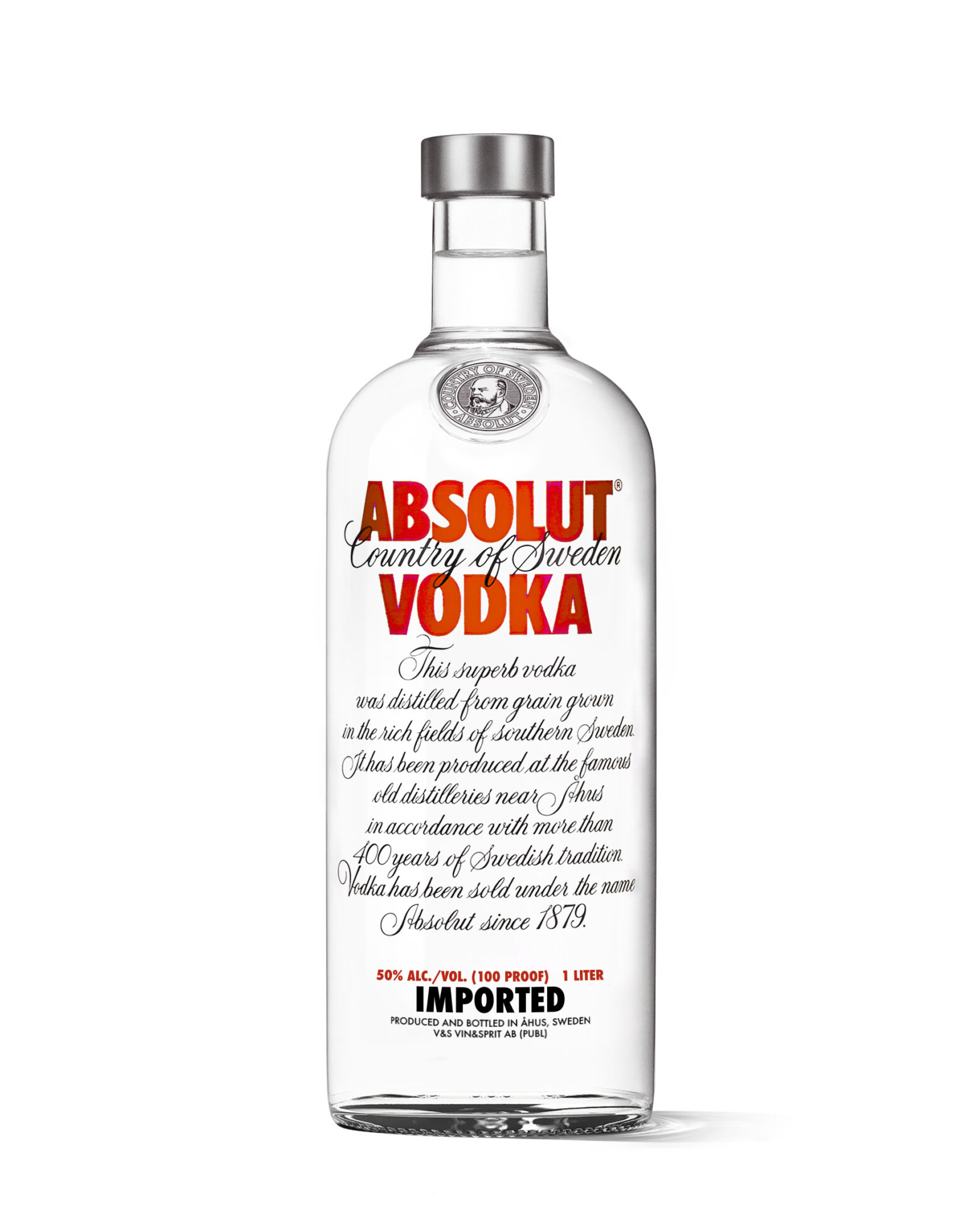
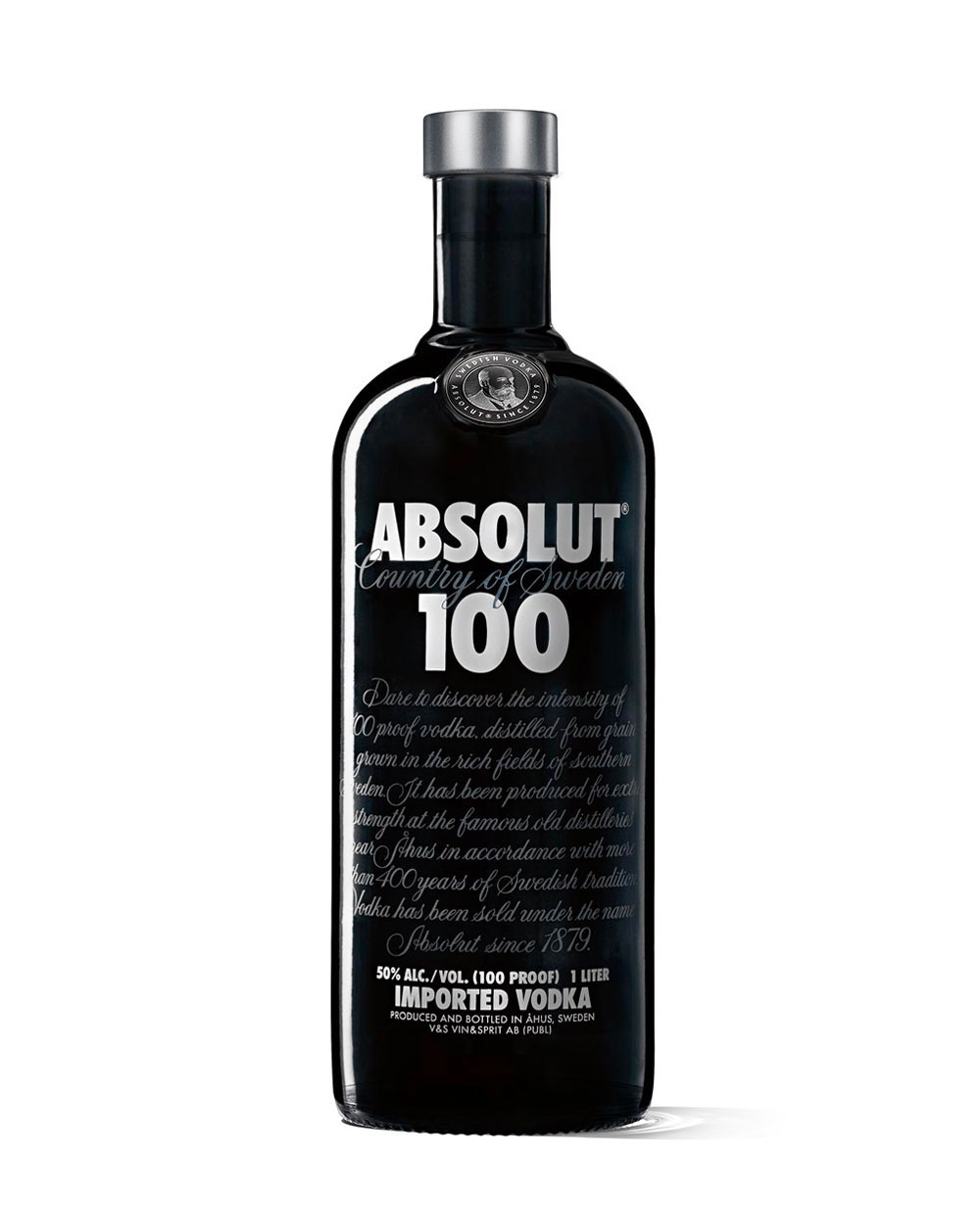
The overproof bottling — 50% ABV, 100 proof — that ran from 1979 until 2006, when Absolut 100 took its place. Spicy and distinct, but smooth and velvety with it. Only three copies of one version are known, and it was never publicly released.
Open the edition › -
Edition 3 of 91
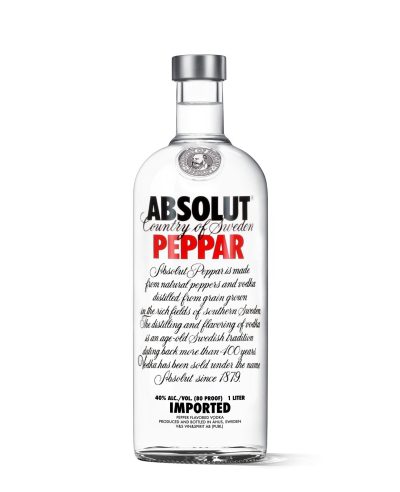
Peppar 1986
1986 · 8 variants
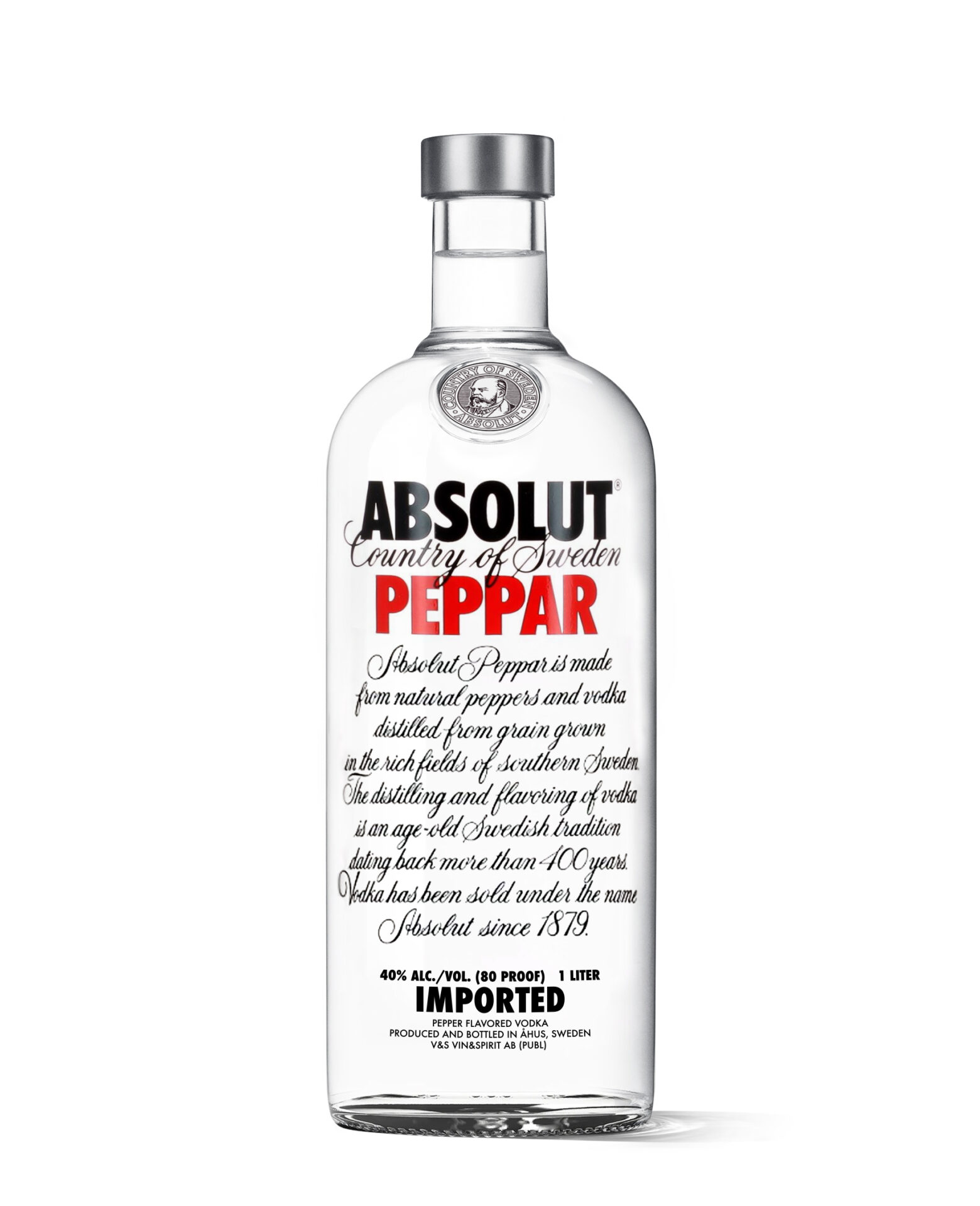
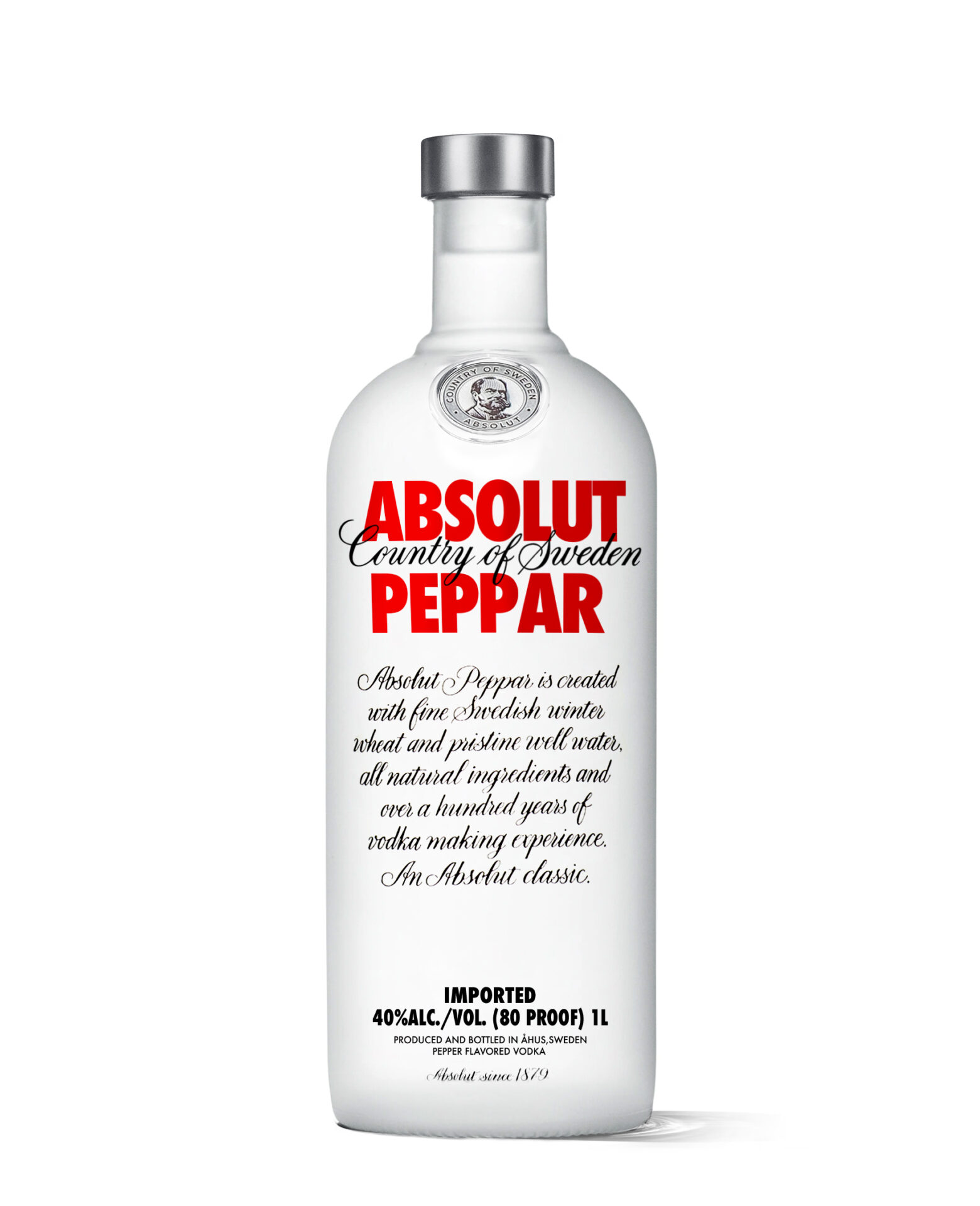
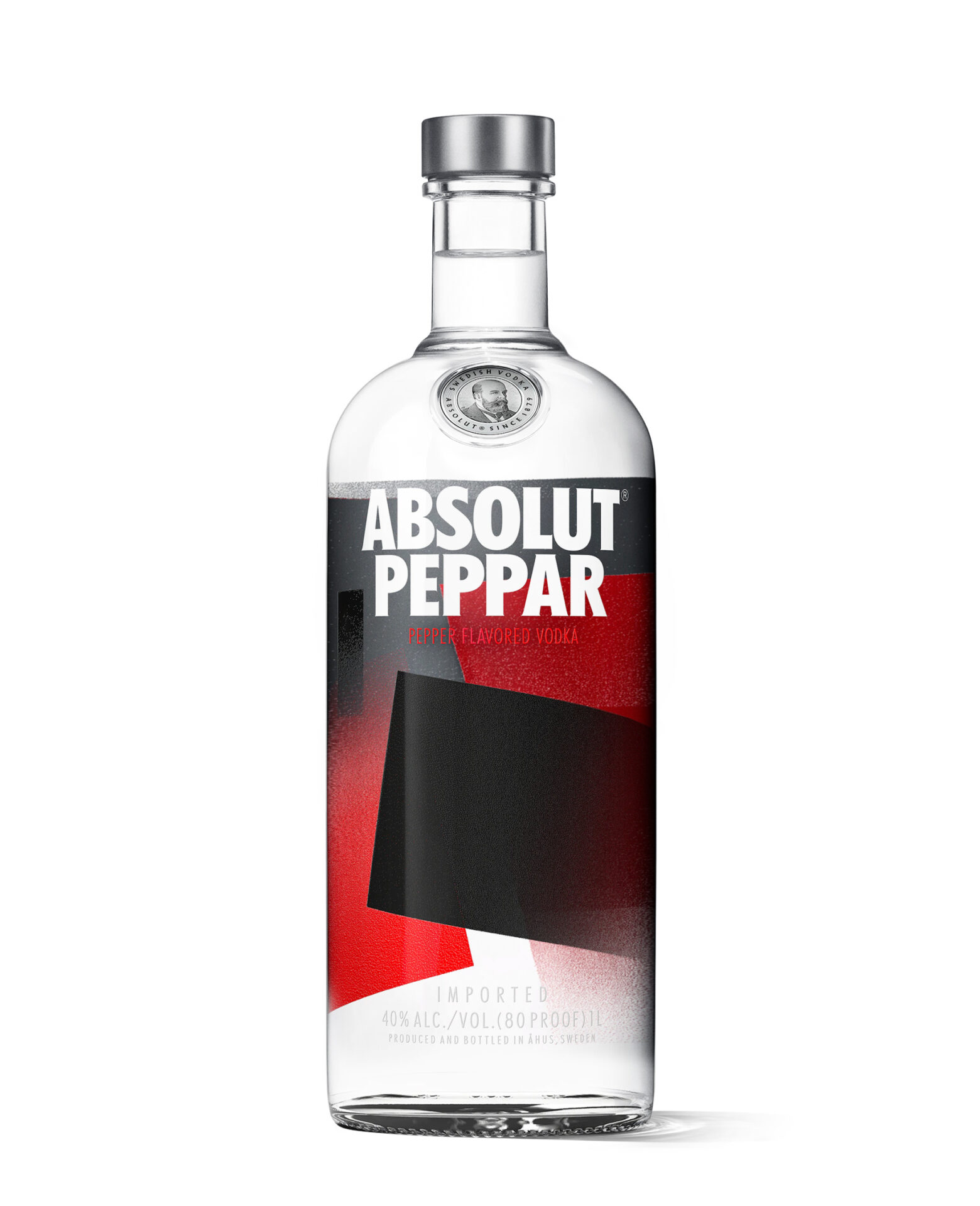
The first flavoured vodka Absolut made, and the first flavoured vodka anyone made. The reasoning was practical: vodka and pepper are what a Bloody Mary is, and the Bloody Mary bars opening across Boston and New York in the mid-eighties wanted it in one bottle. Hot and spicy on green bell pepper, chilli and jalapeño, with roasted jalapeño, green tomato and dried herbs behind it — natural flavours, no sugar.
Open the edition › -
Edition 4 of 91
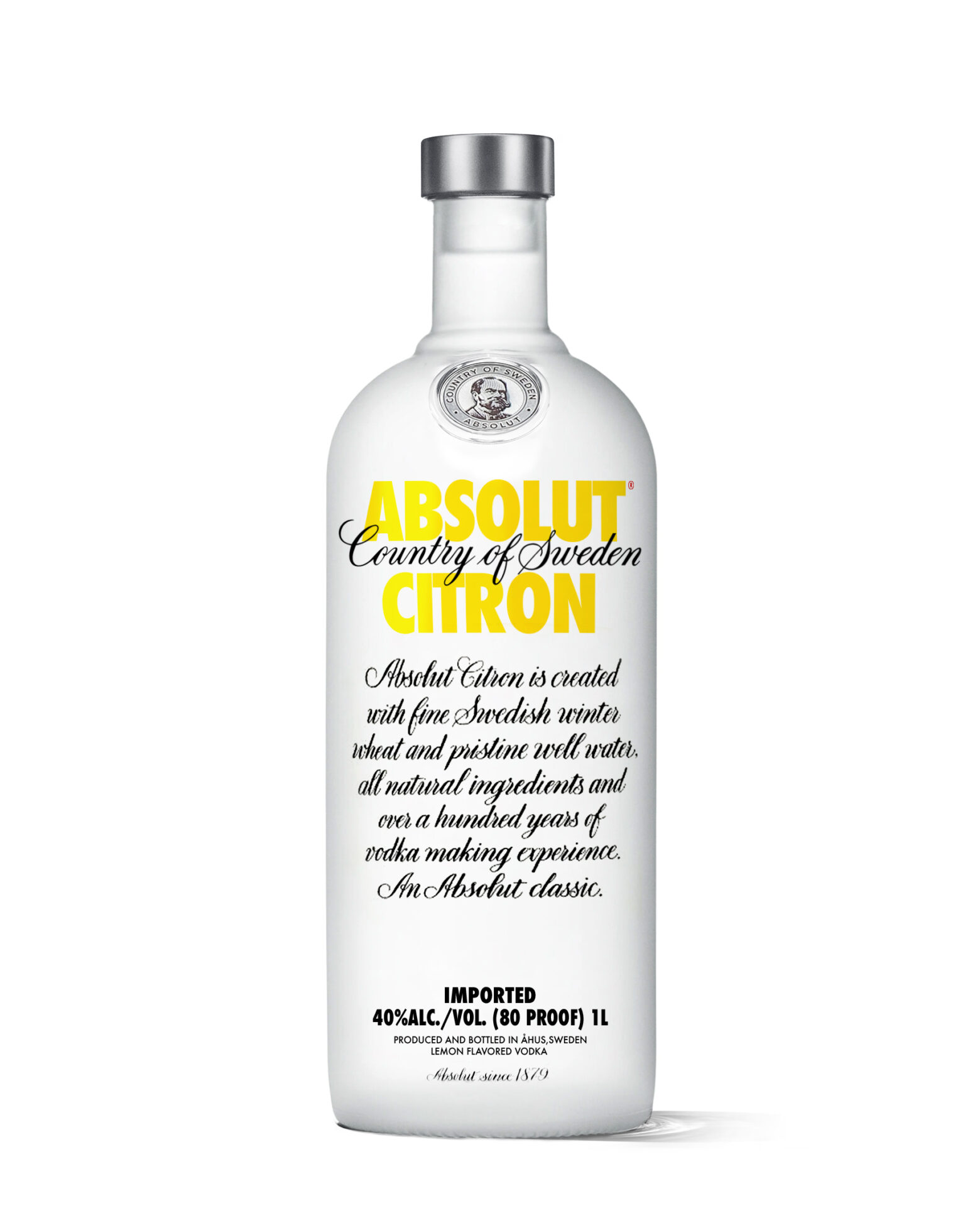
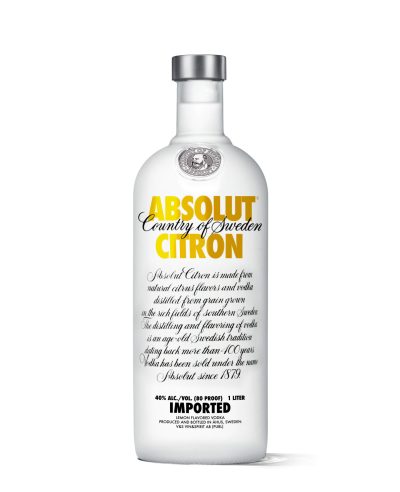
Citron 1988
1988 · 13 variants
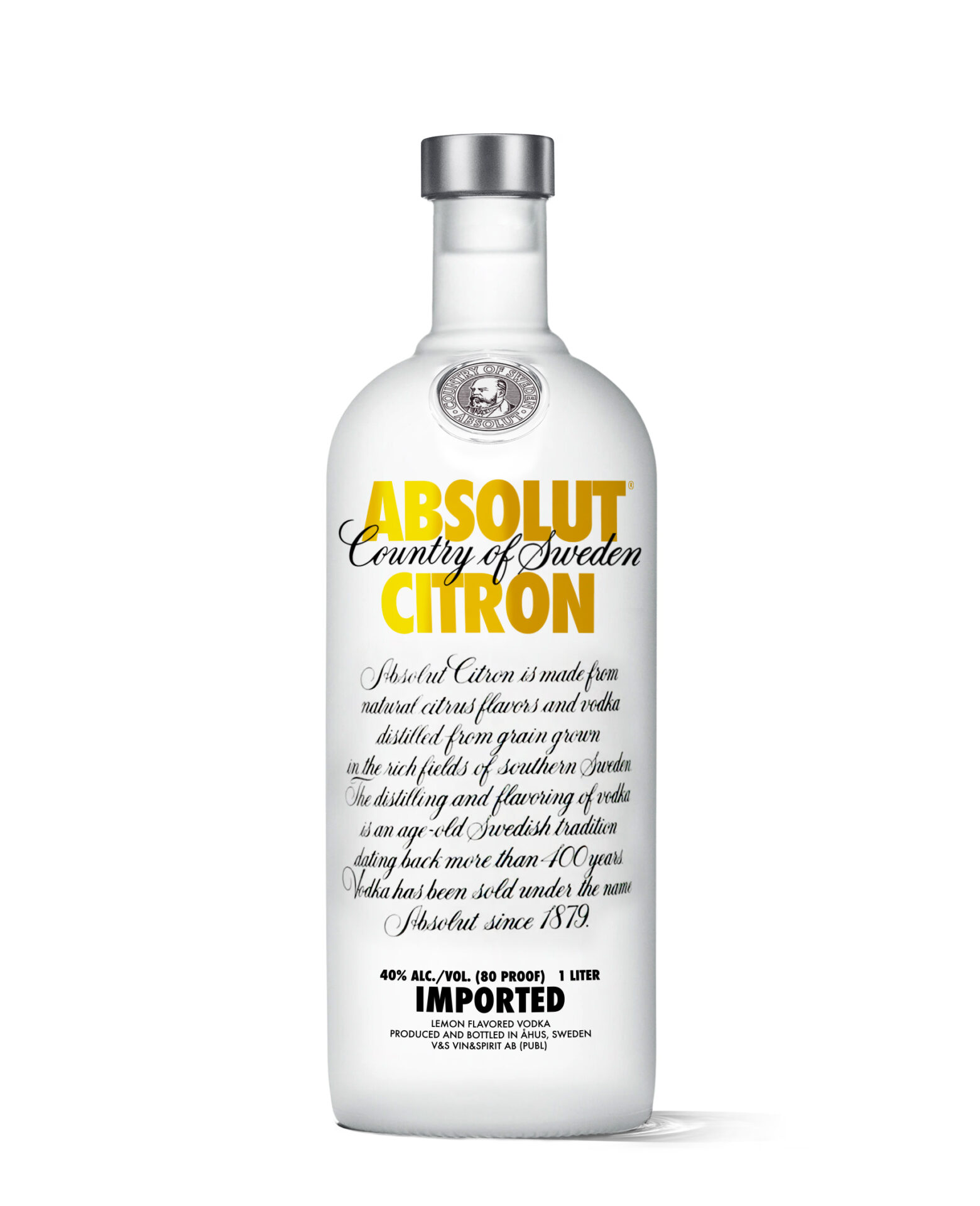
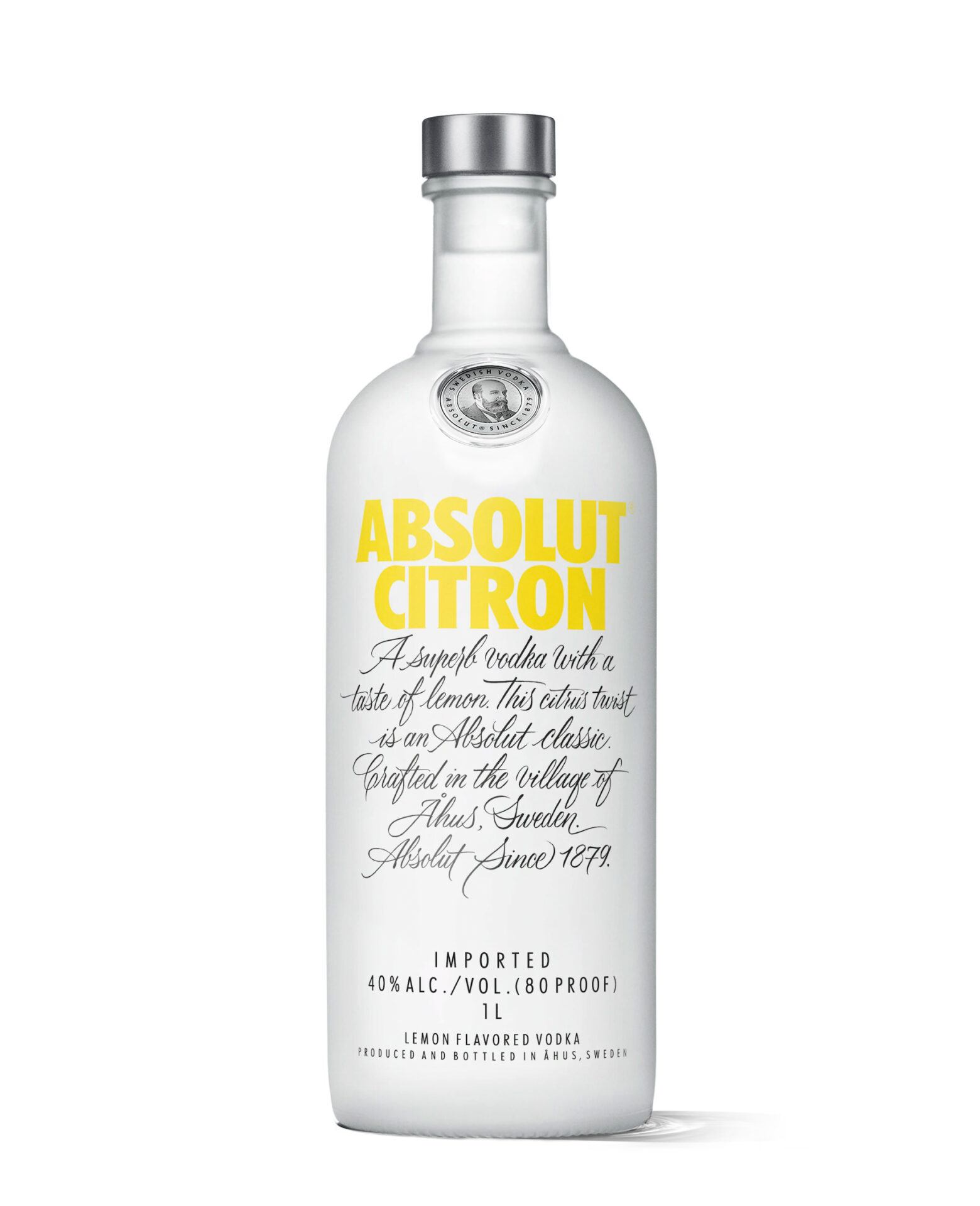
The lemon that made the Cosmopolitan. Citron arrived in 1988, nine years after the original and two after Peppar, aimed squarely at the vodka-on-the-rocks-with-a-twist crowd — and then found a second life as the base of the decade's biggest cocktail. Smooth and mellow on lemon and lime, with a note of peel; naturally flavoured, no sugar added.
Open the edition › -
Edition 5 of 91
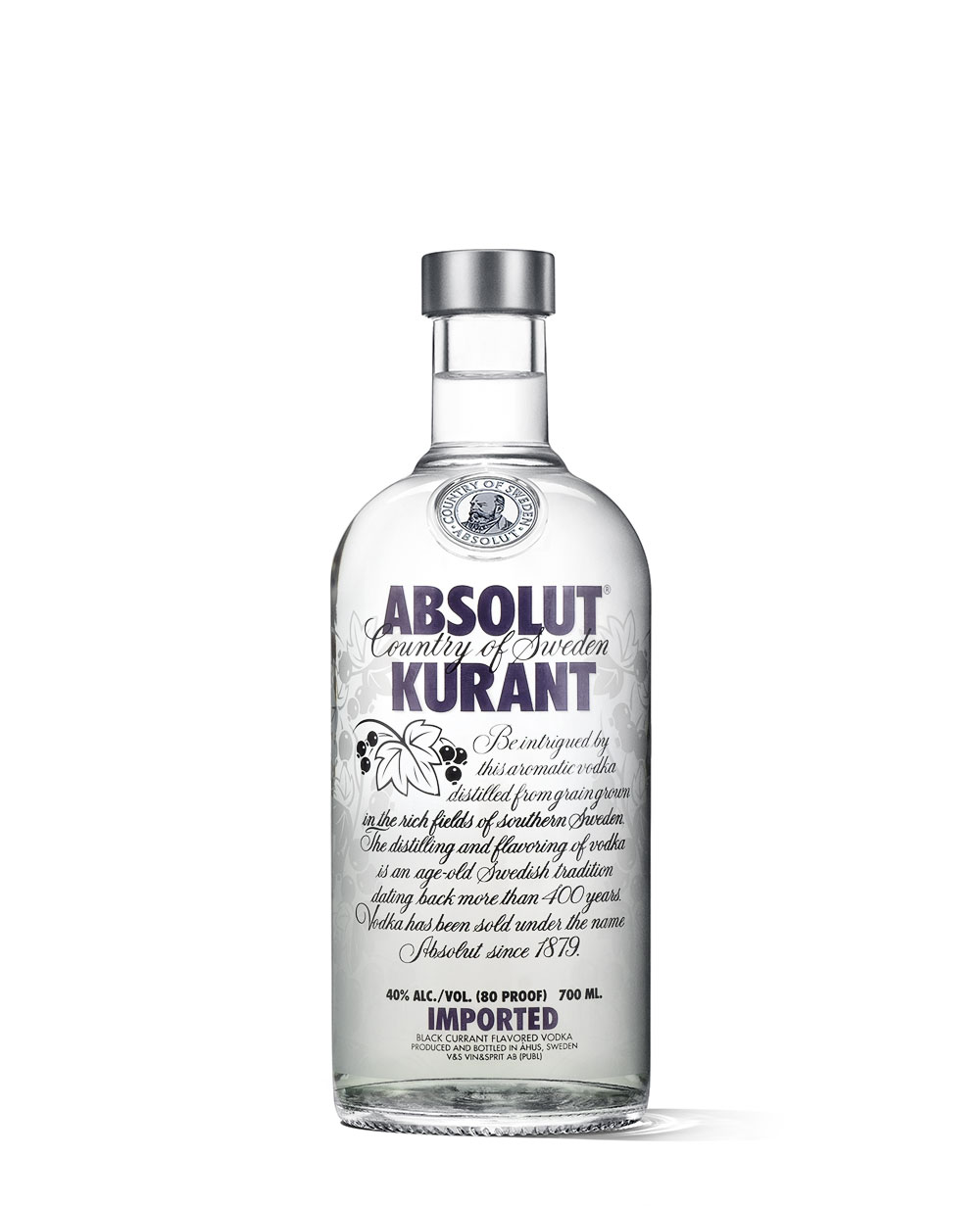
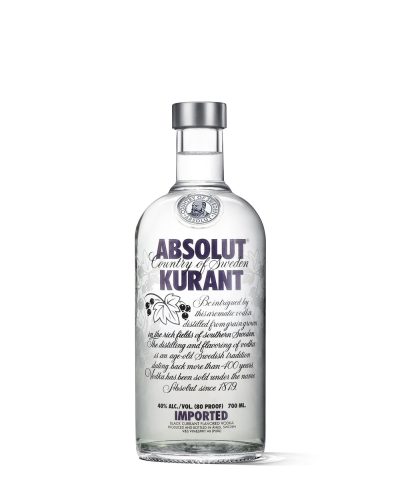
Kurant Be Intrigued
1992 · 7 variants
A Kurant that differs from its predecessor in text and in colour — the words on the front are new, and Absolut Kurant is set in a darker shade.
Open the edition › -
Edition 6 of 91
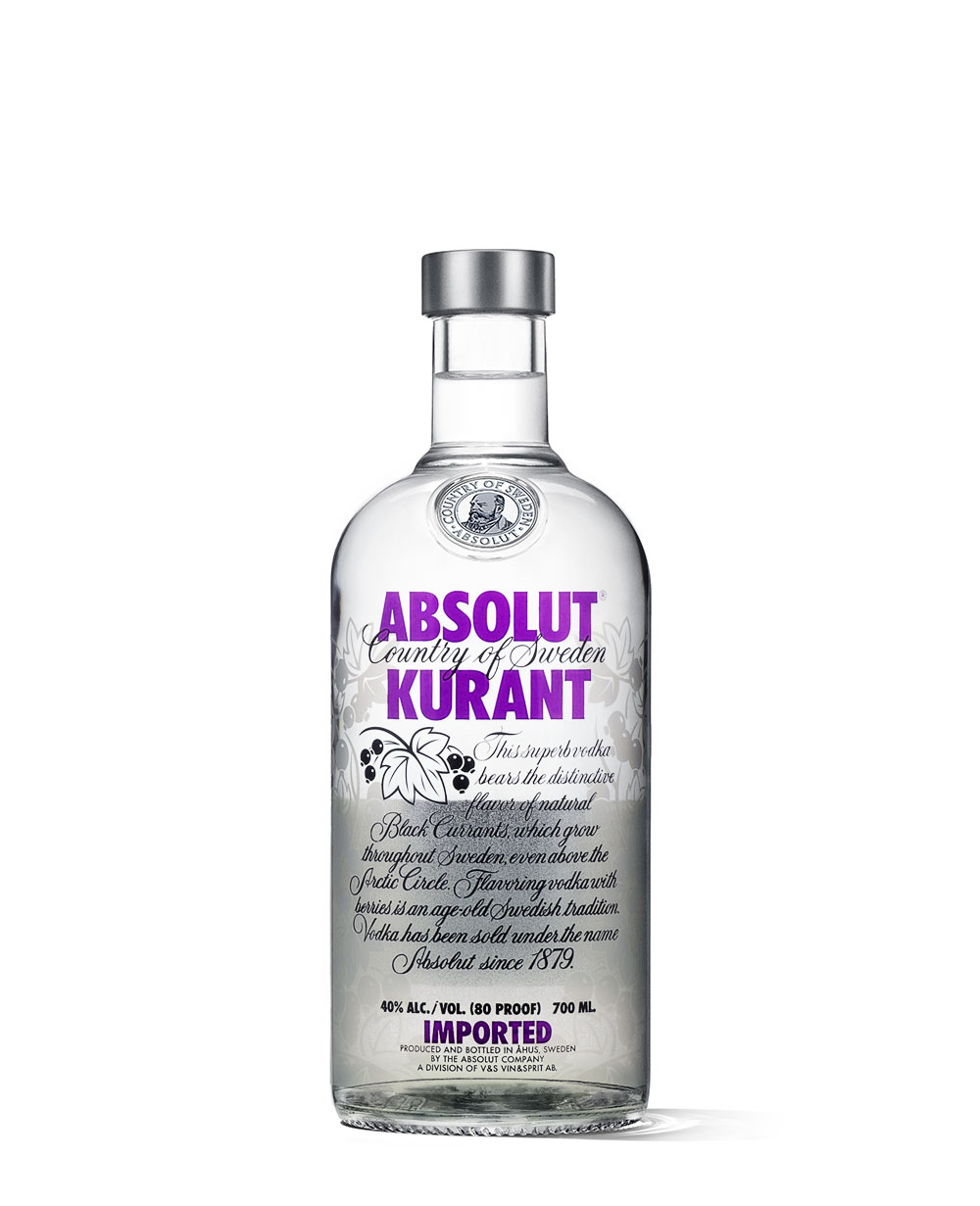
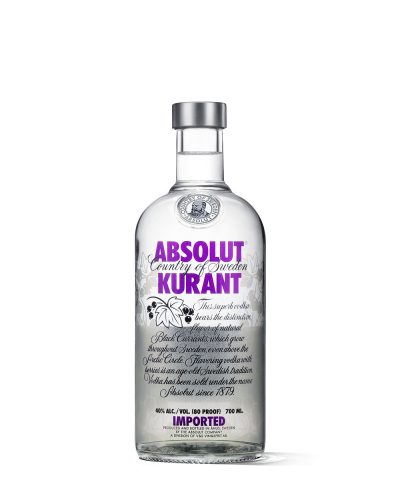
Kurant This Superb
1992 · 9 variants
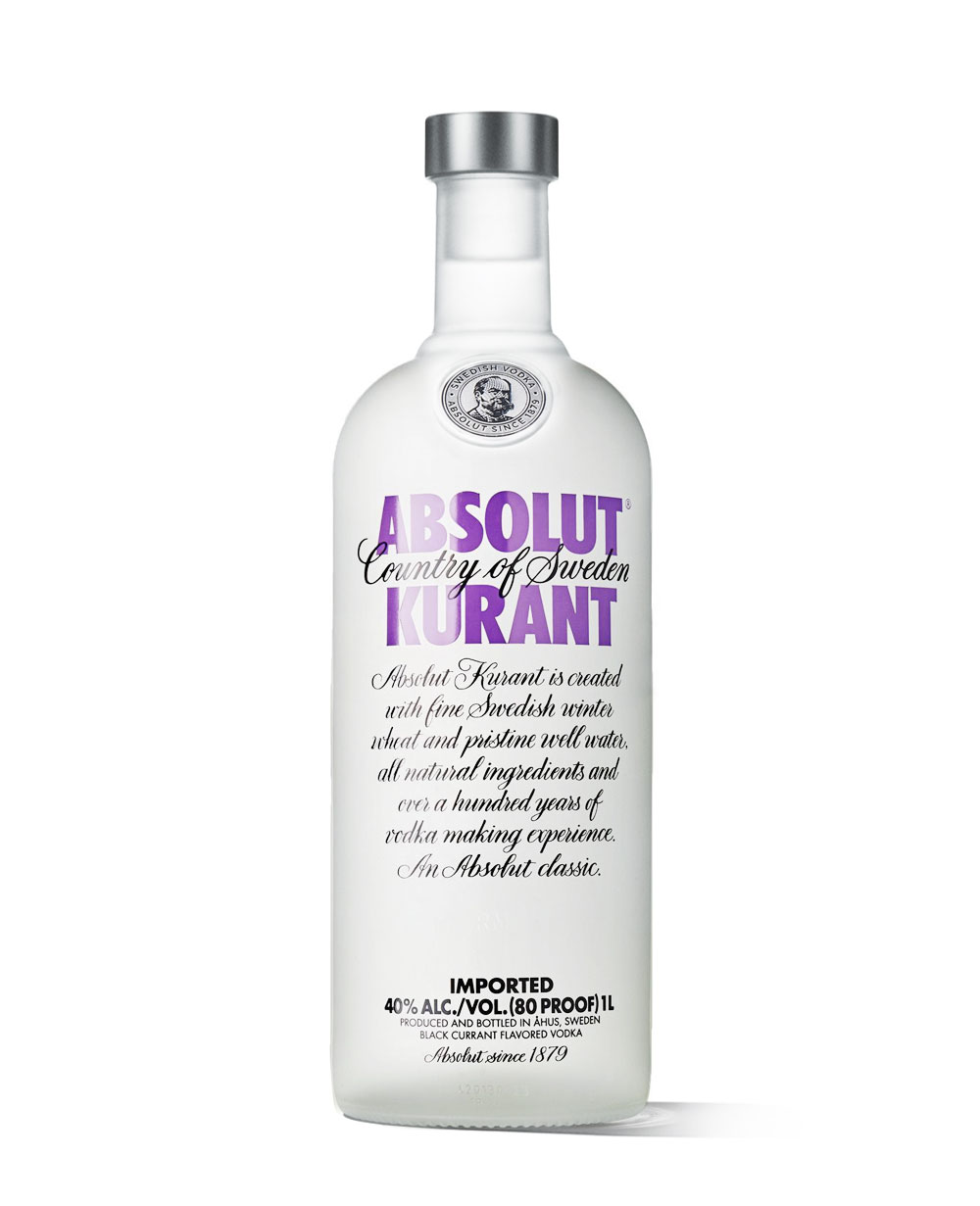
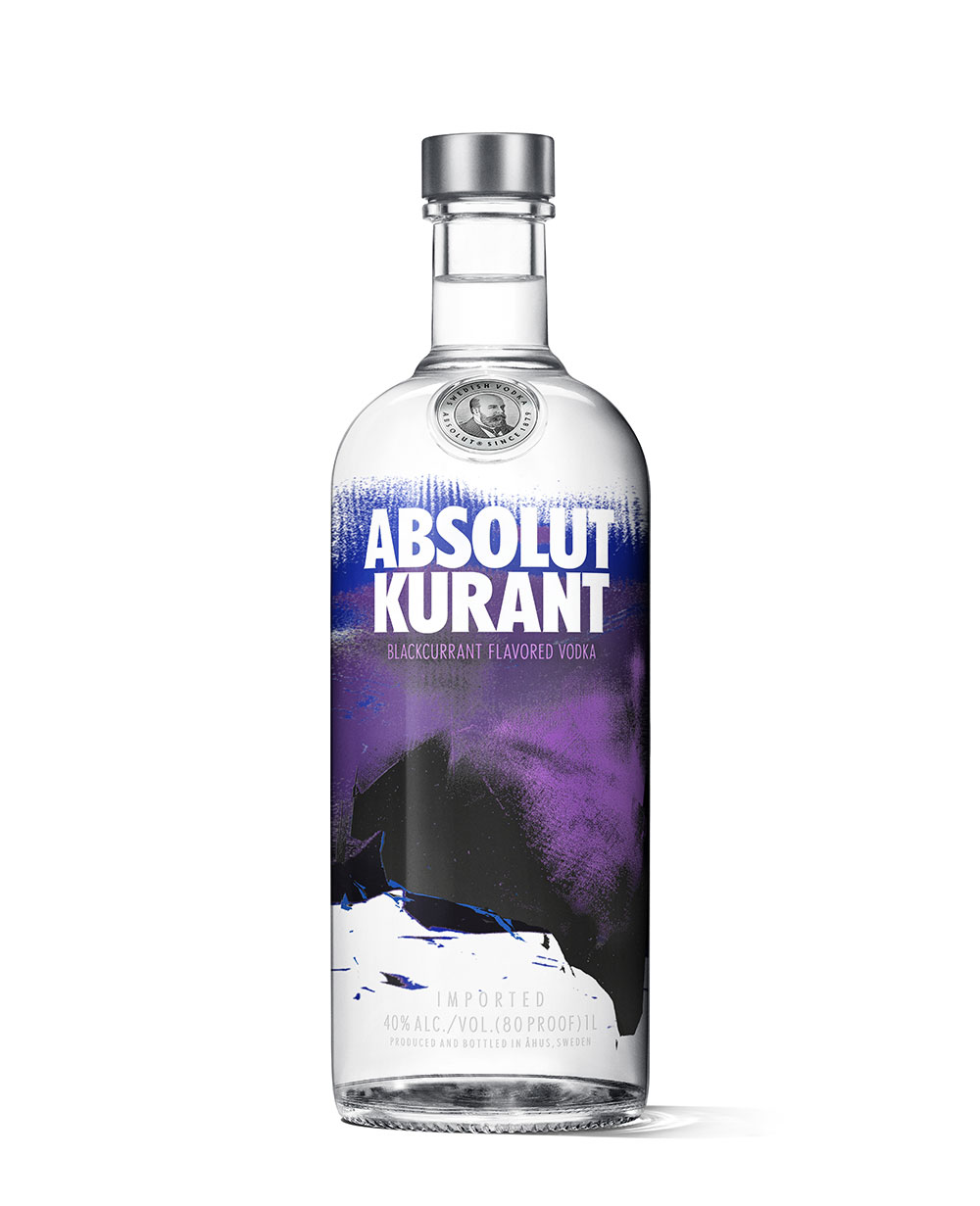
Black currant, and a deliberate piece of Swedishness: the berry is a staple of the country, and the 1992 launch was pitched as a nod to where the vodka comes from. It was very nearly called Absolut Vinbär, the Swedish word for it — until someone said it aloud in English and heard wine bar. Smooth and mellow on the fruit, with a tart edge.
Open the edition › -
Edition 7 of 91
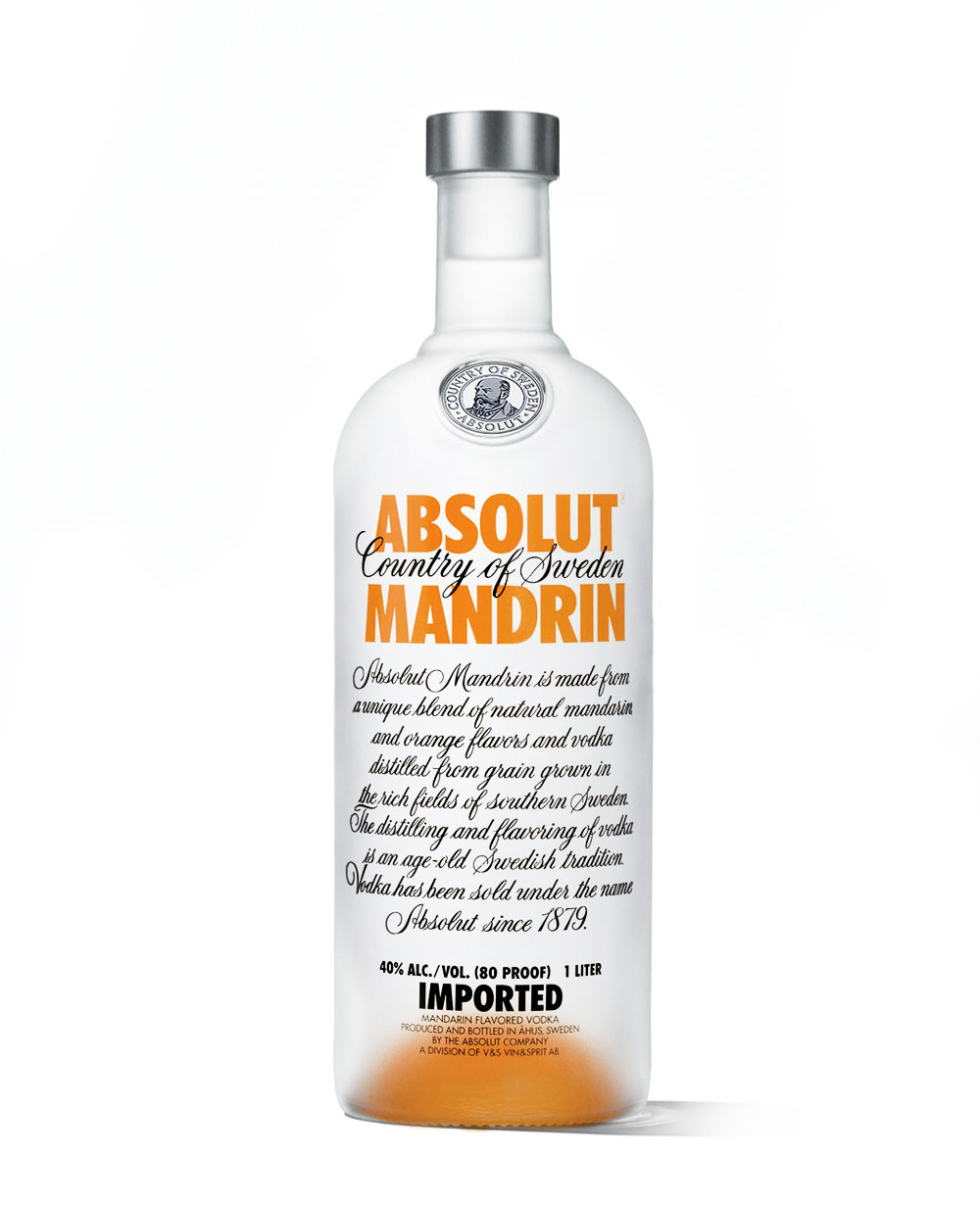
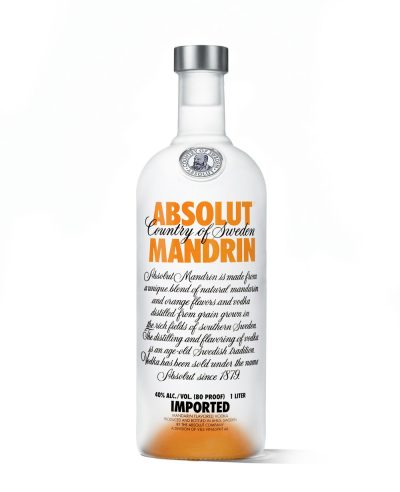
Mandrin 1999
1999 · 11 variants
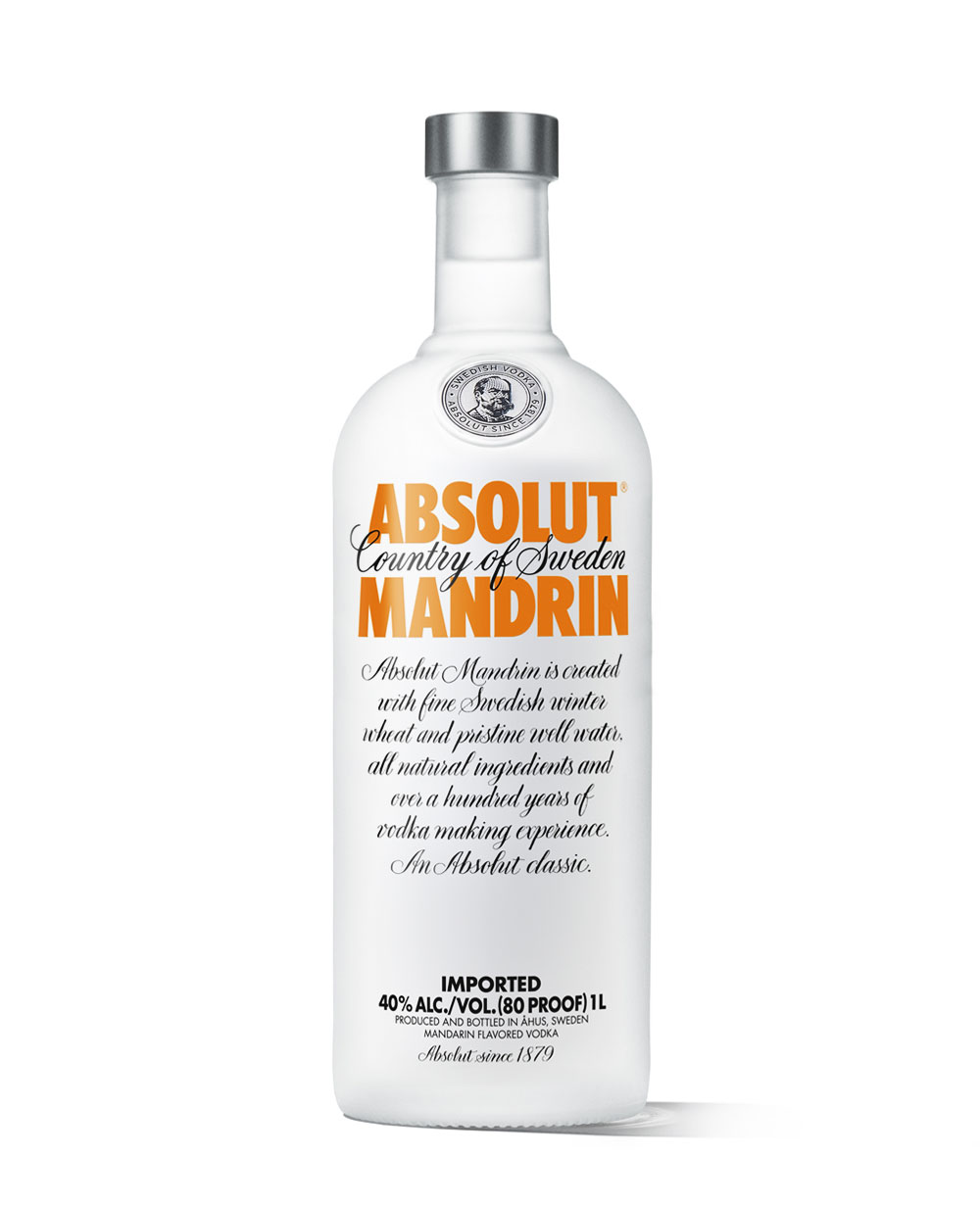
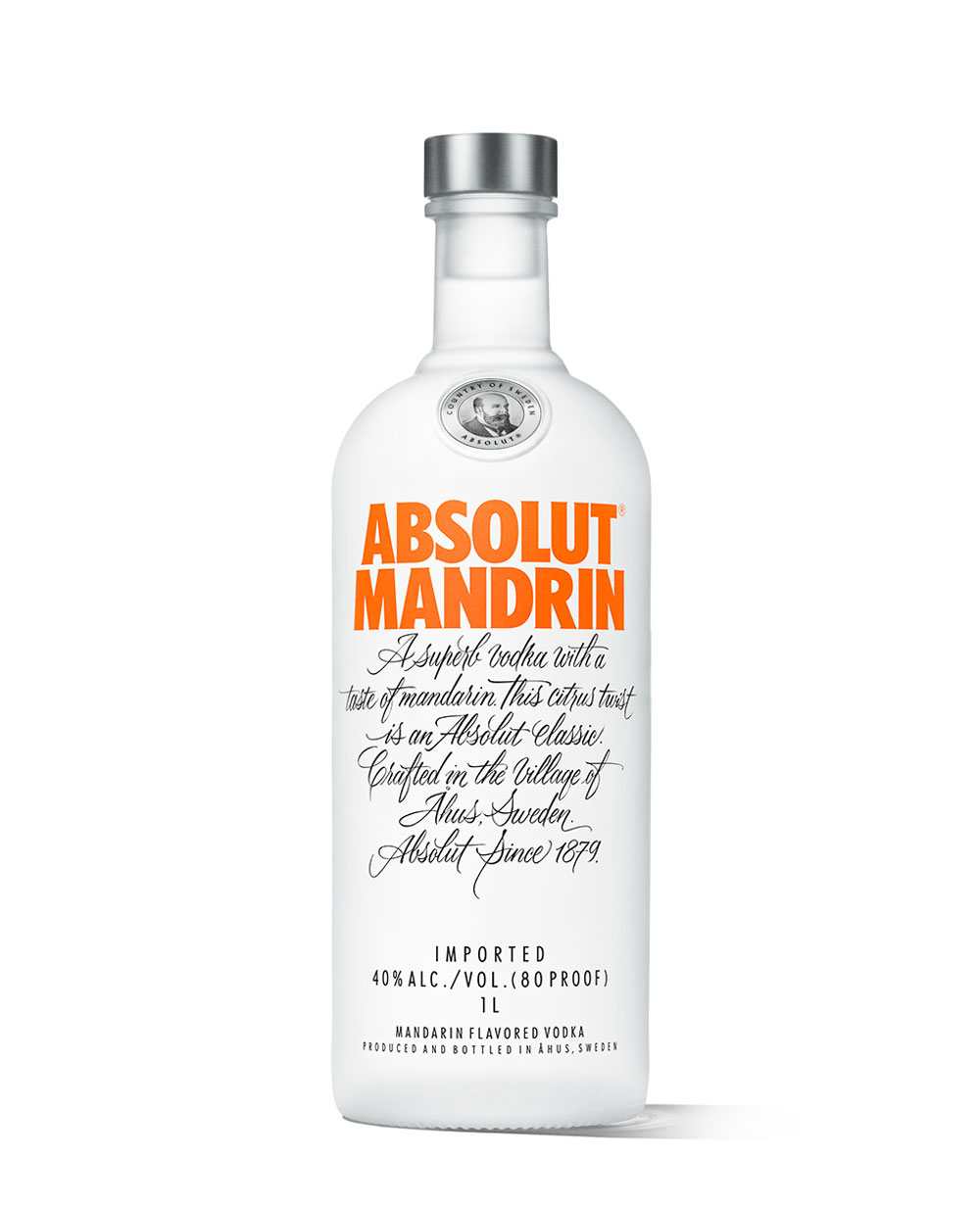
The fourth flavour, after Peppar, Citron and Kurant, and an easy sell: mandarin and orange are among the most widely liked flavours anywhere. Launched in 1999, twenty years after the original — complex, smooth, with orange peel behind the fruit, and other citrus added to round it out.
Open the edition › -
Edition 8 of 91
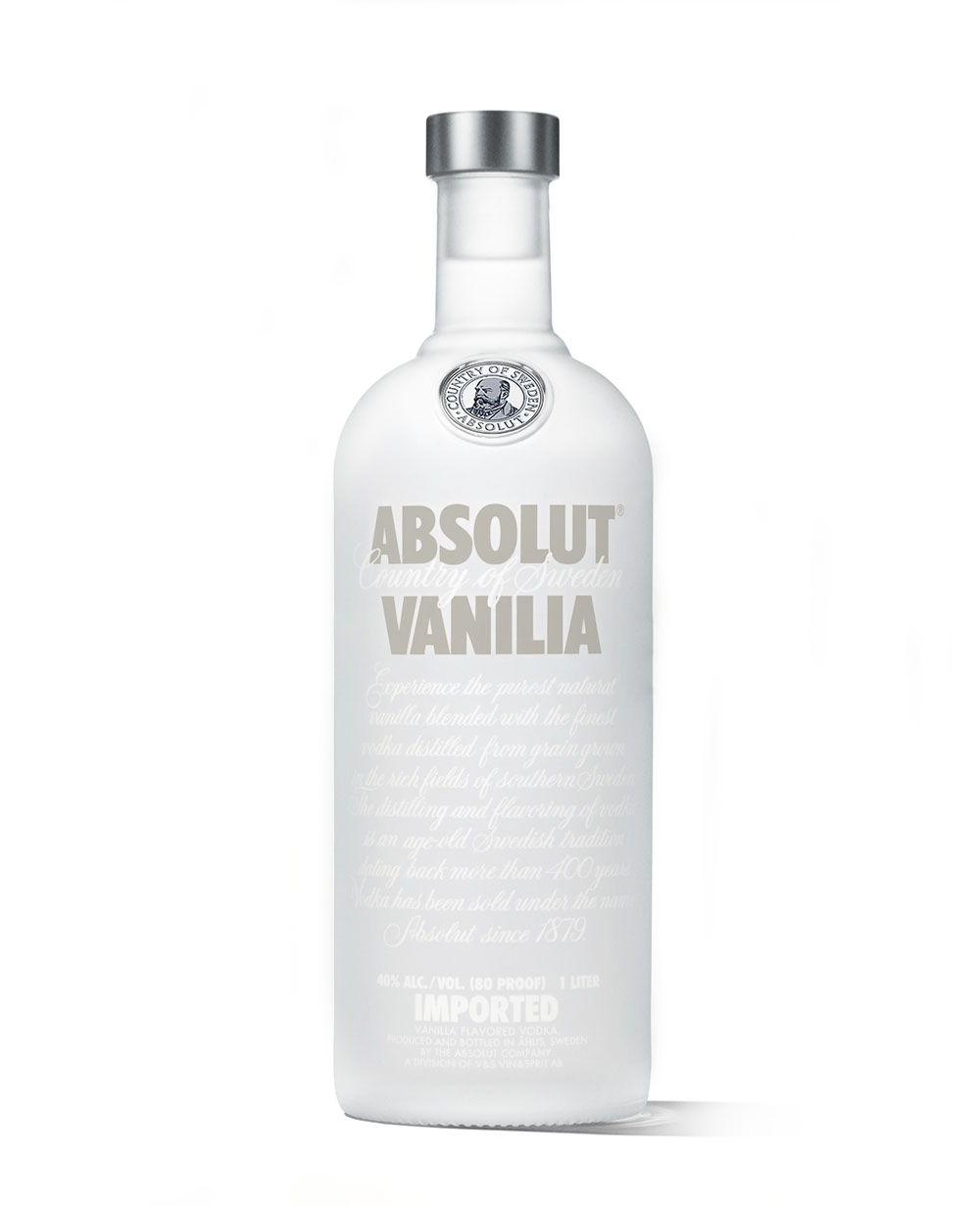
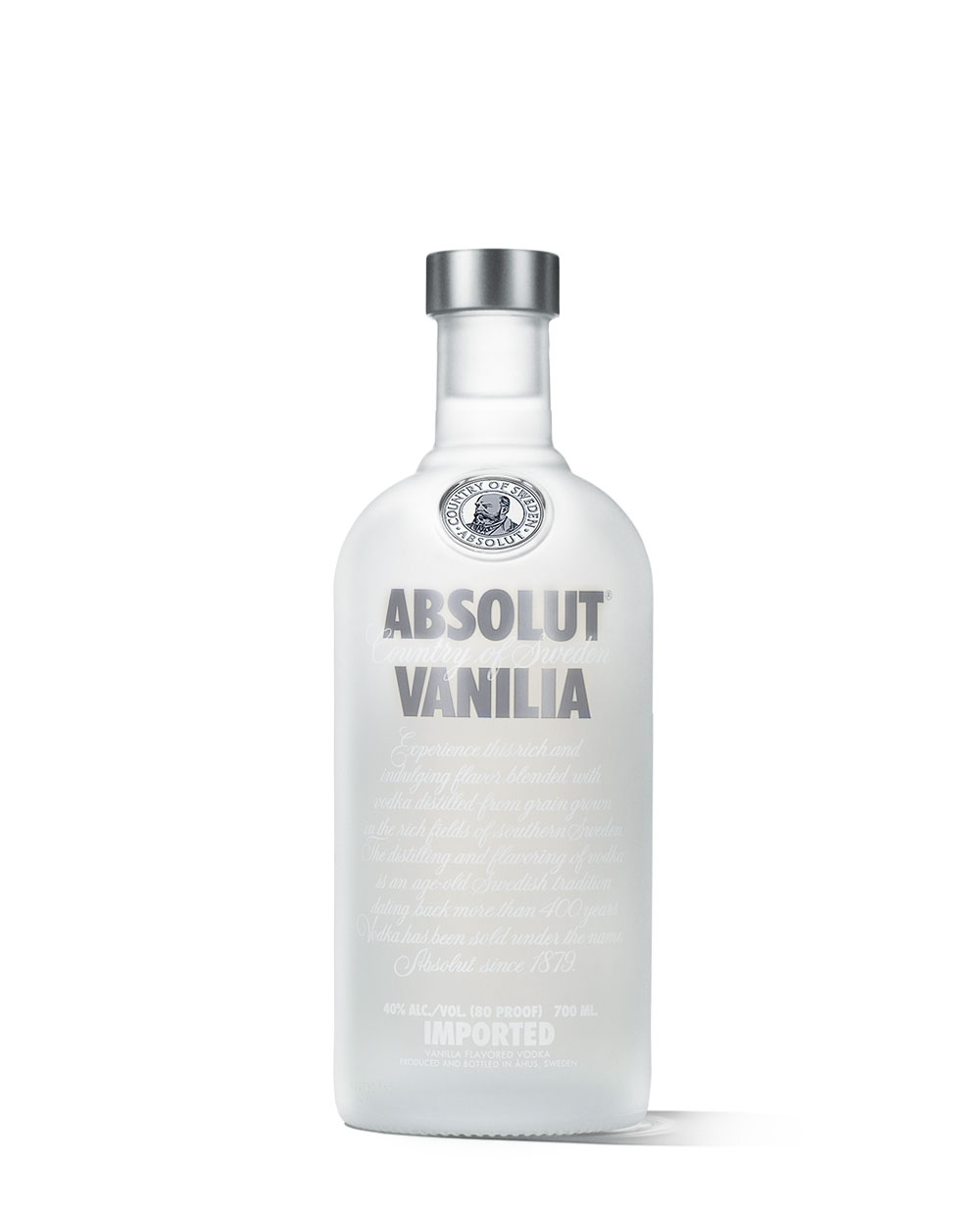
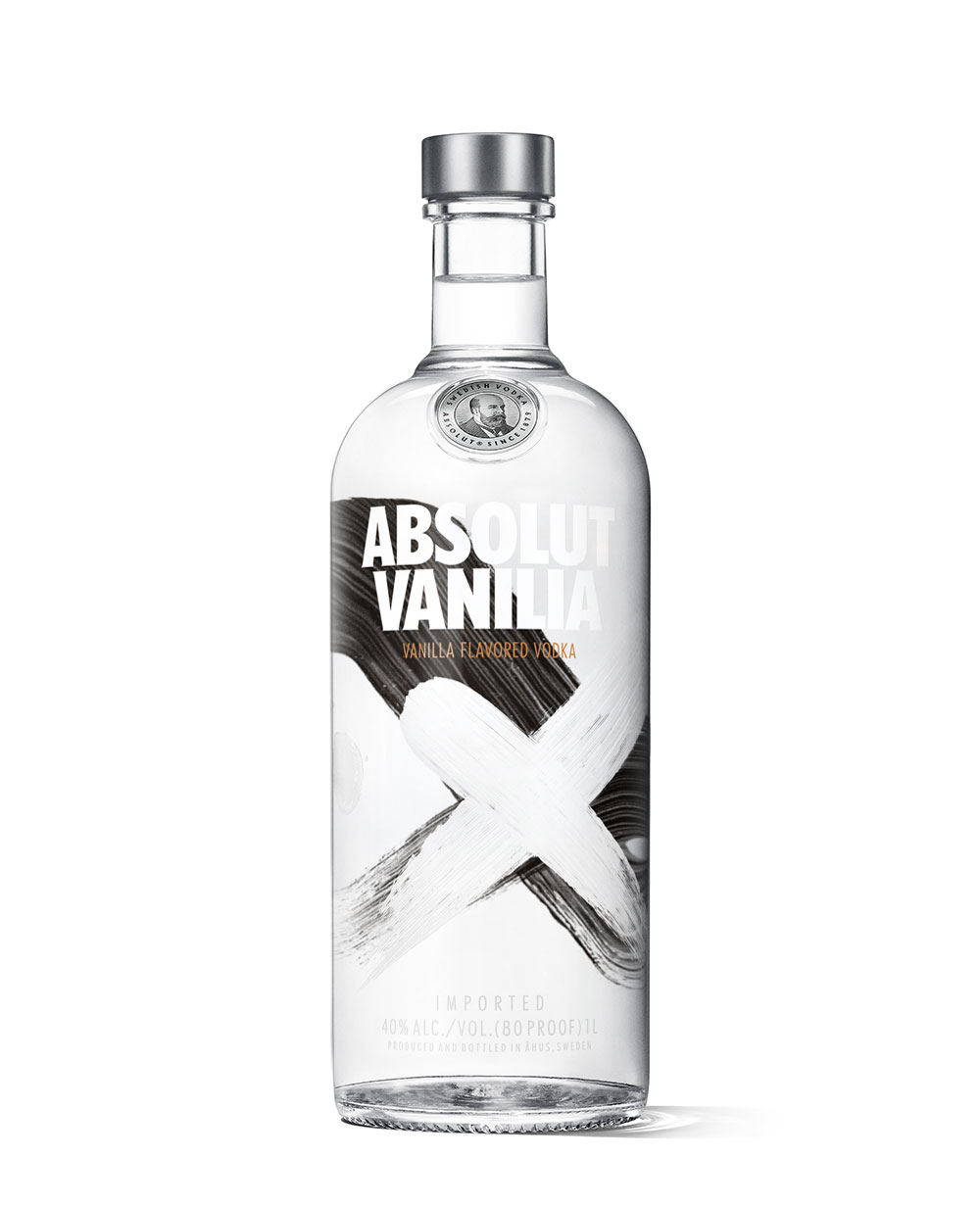
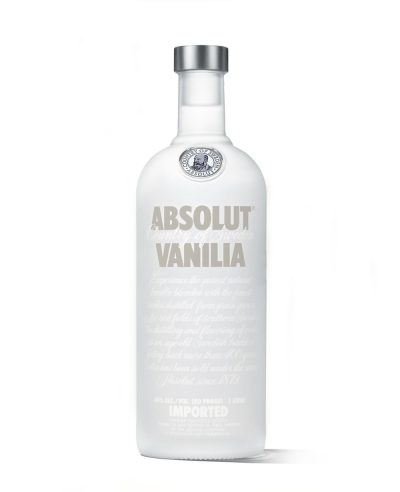
Vanilia Experience the Purest
2003 · 4 variants
Vanilla, launched in 2003 — rich and robust rather than sweet, with butterscotch and a trace of dark chocolate behind it. This is the first bottle, with a transparent logo and text opening “Experience the purest…”.
Open the edition › -
Edition 9 of 91
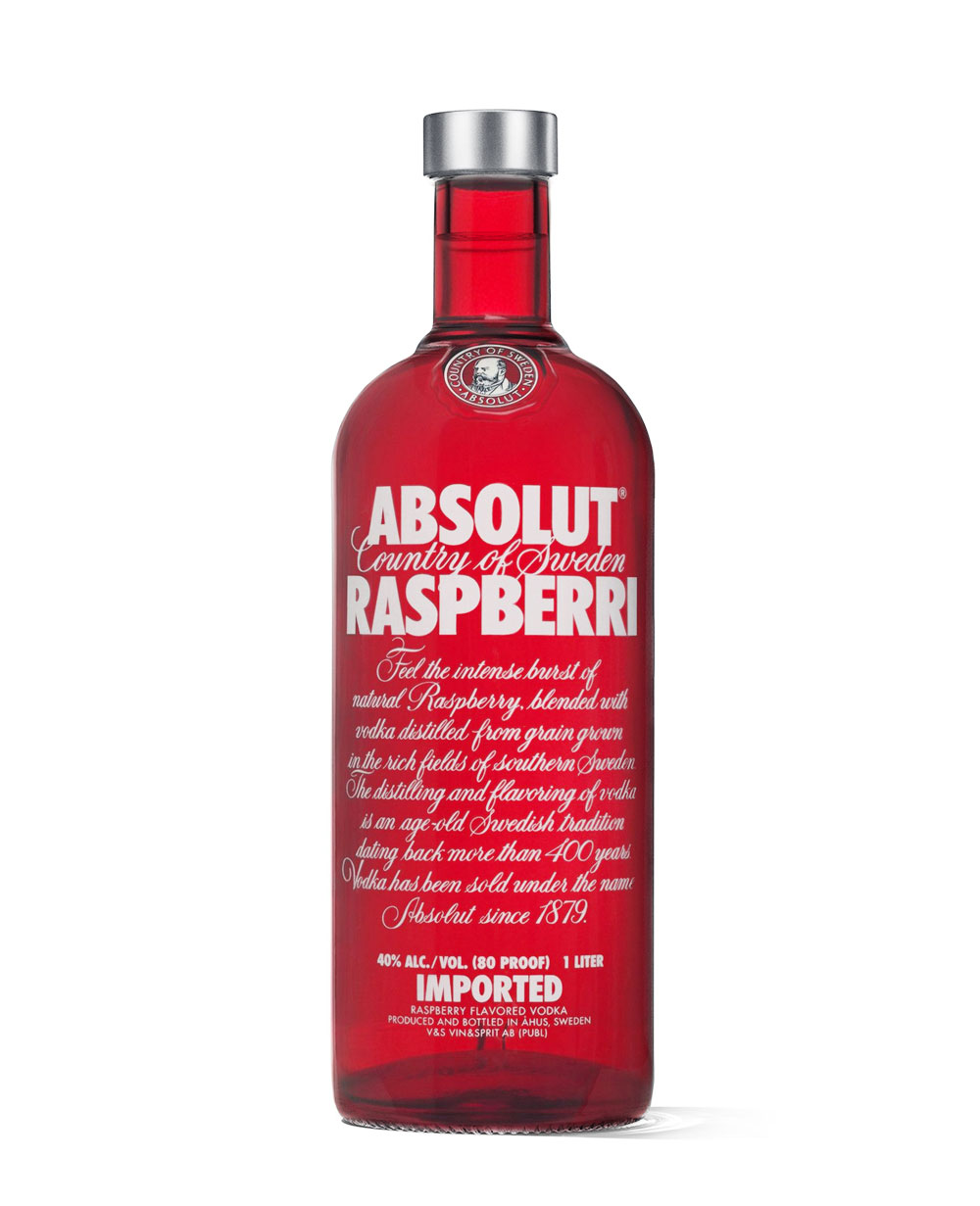
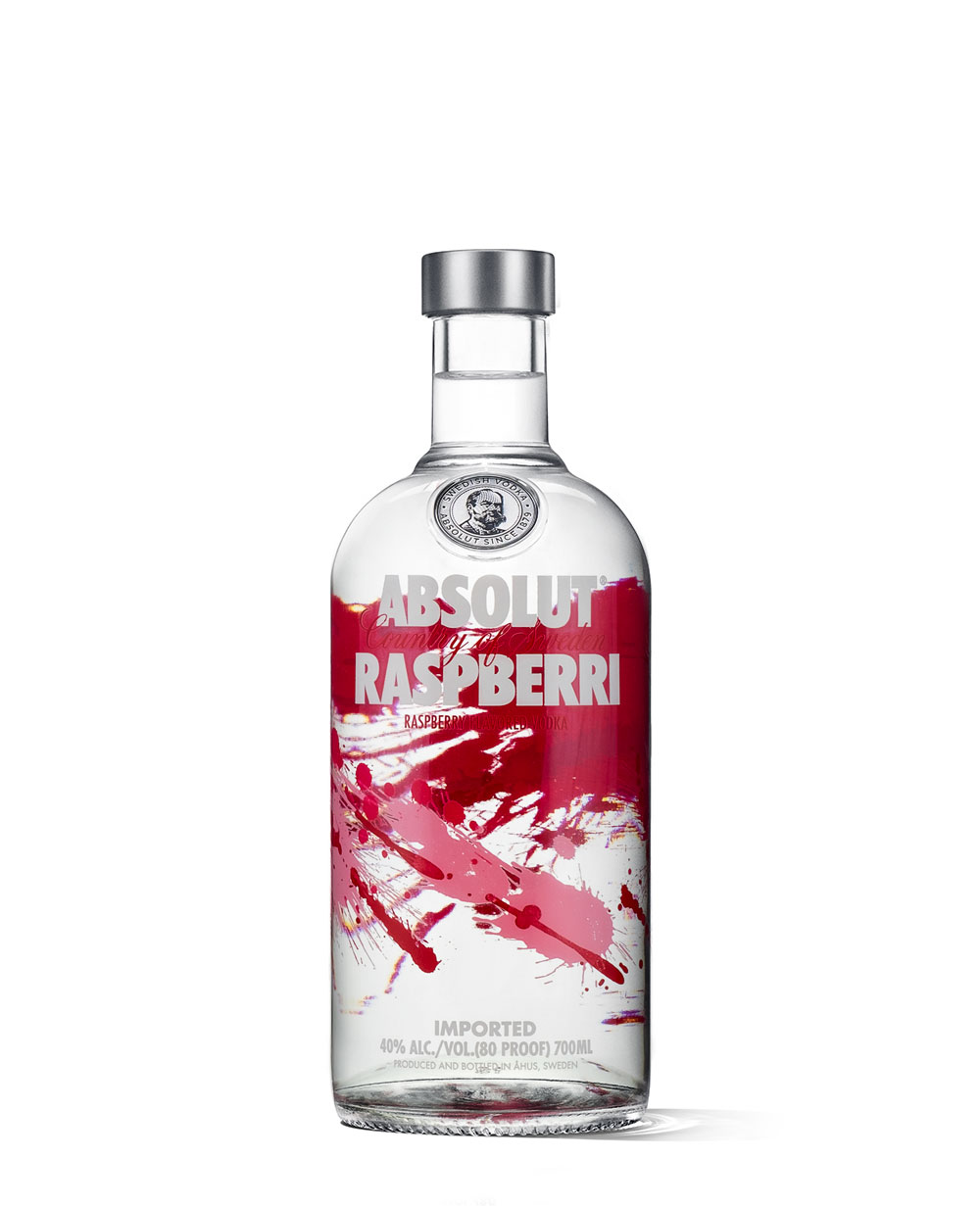
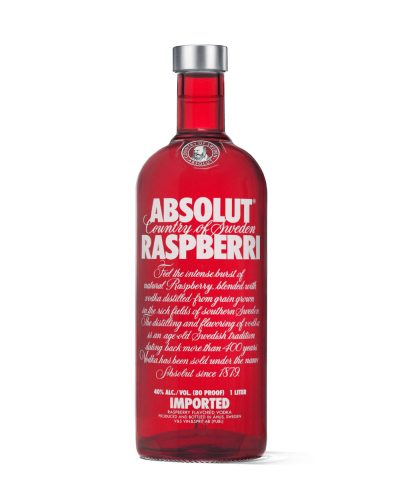
Raspberri Feel the Intense
2004 · 7 variants
The 2004 launch of Absolut Raspberri — rich and intense on ripe raspberry, naturally flavoured with no sugar. This is the version whose text begins “Feel the intense…”.
Open the edition › -
Edition 10 of 91
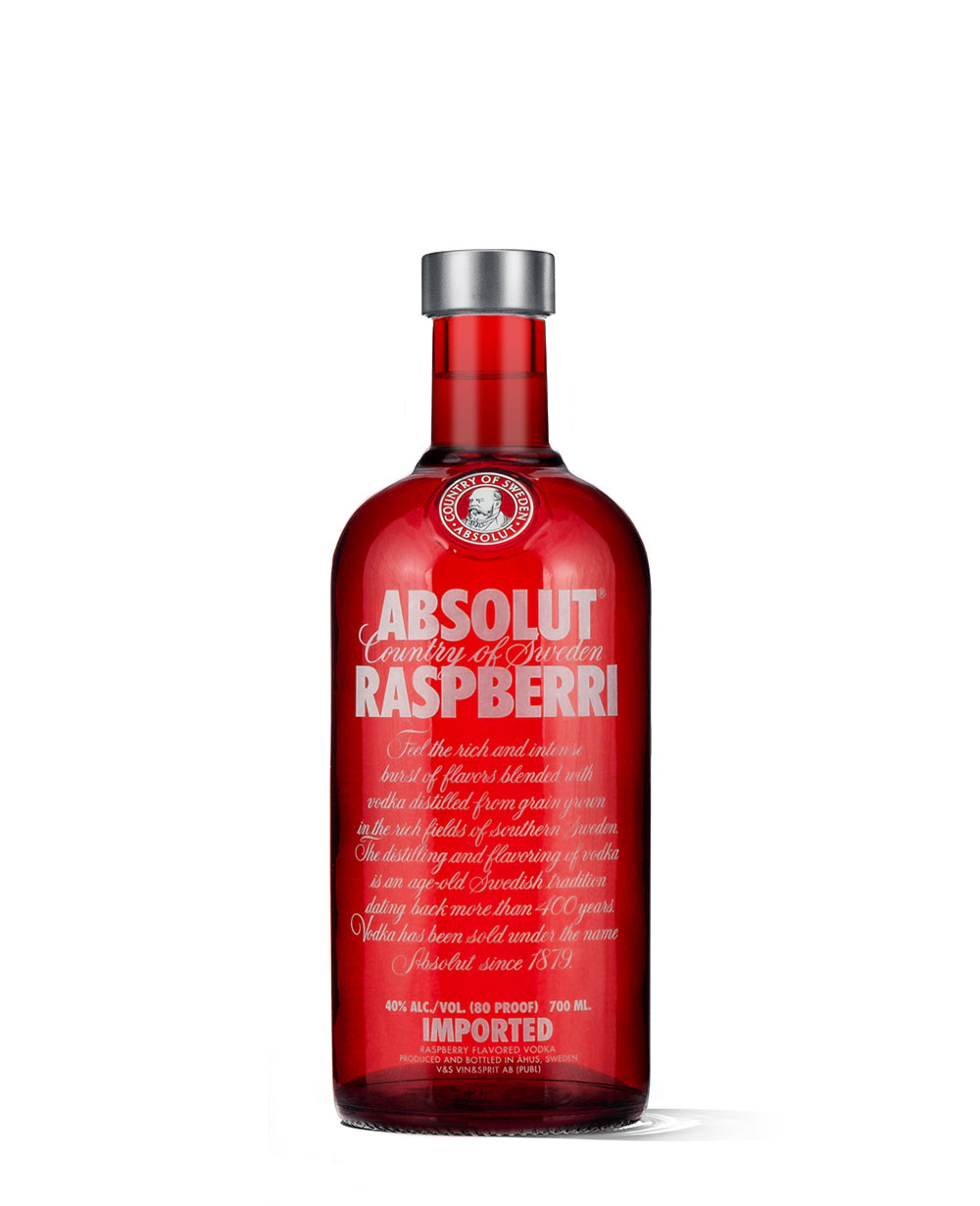
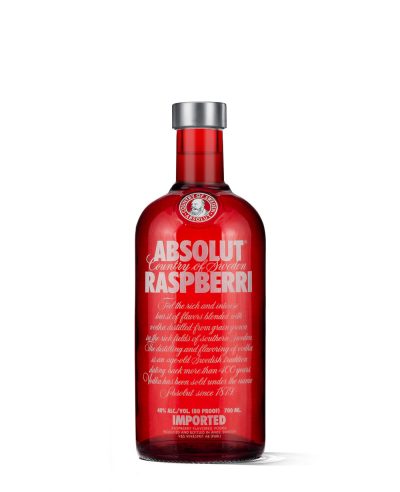
Raspberri Feel the Rich
2004 · 5 variants
The Raspberri whose bottle text opens “Feel the rich…”, one of two wordings that circulated from the 2004 launch.
Open the edition › -
Edition 11 of 91
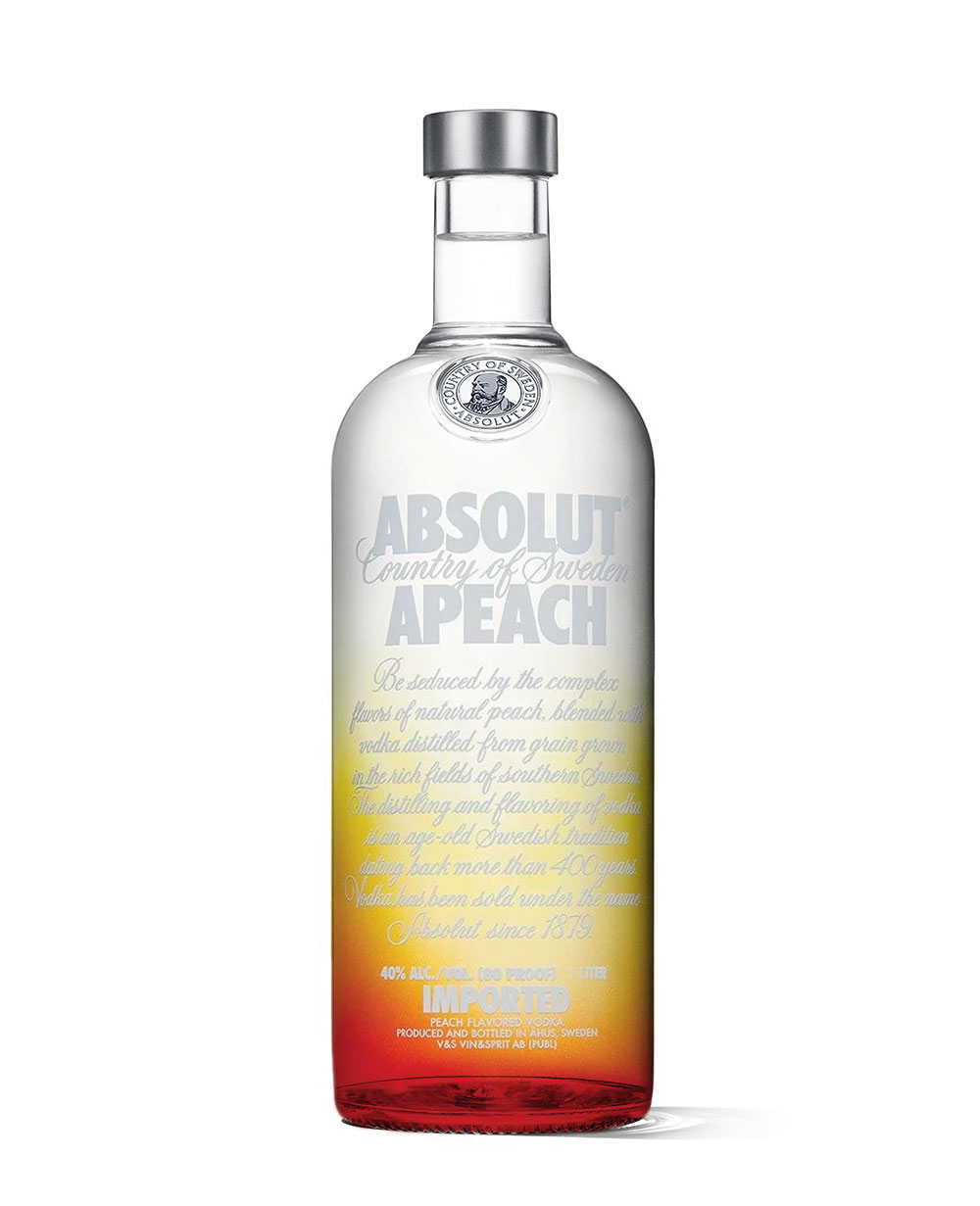
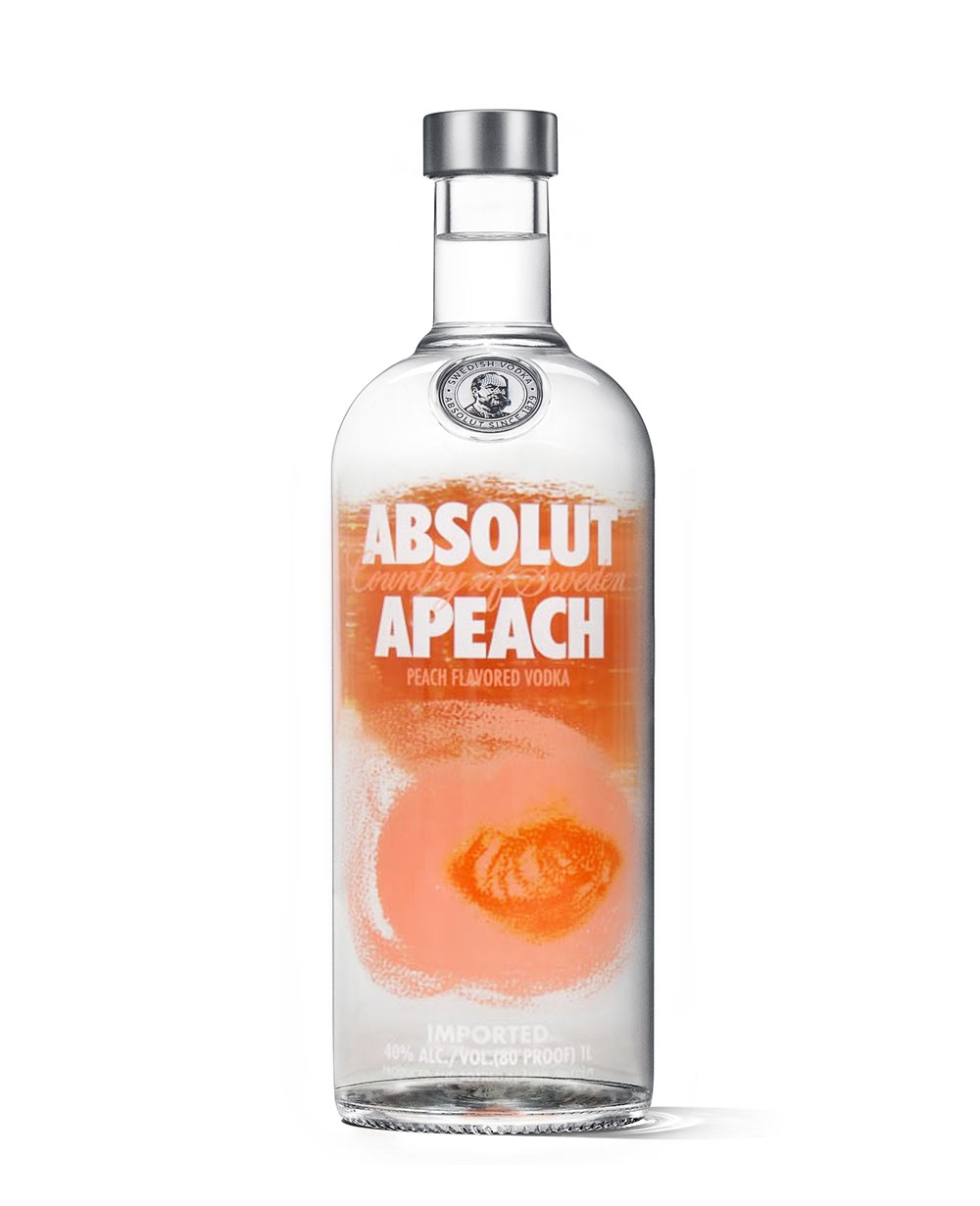
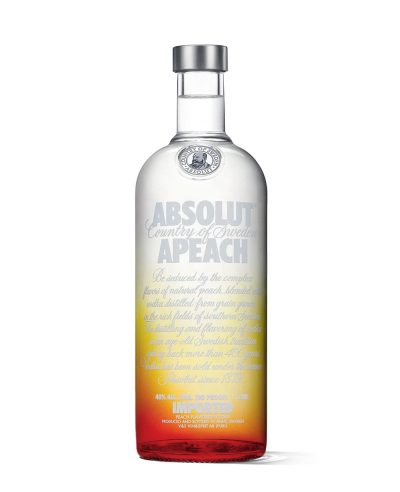
Apeach 2005
2005 · 7 variants
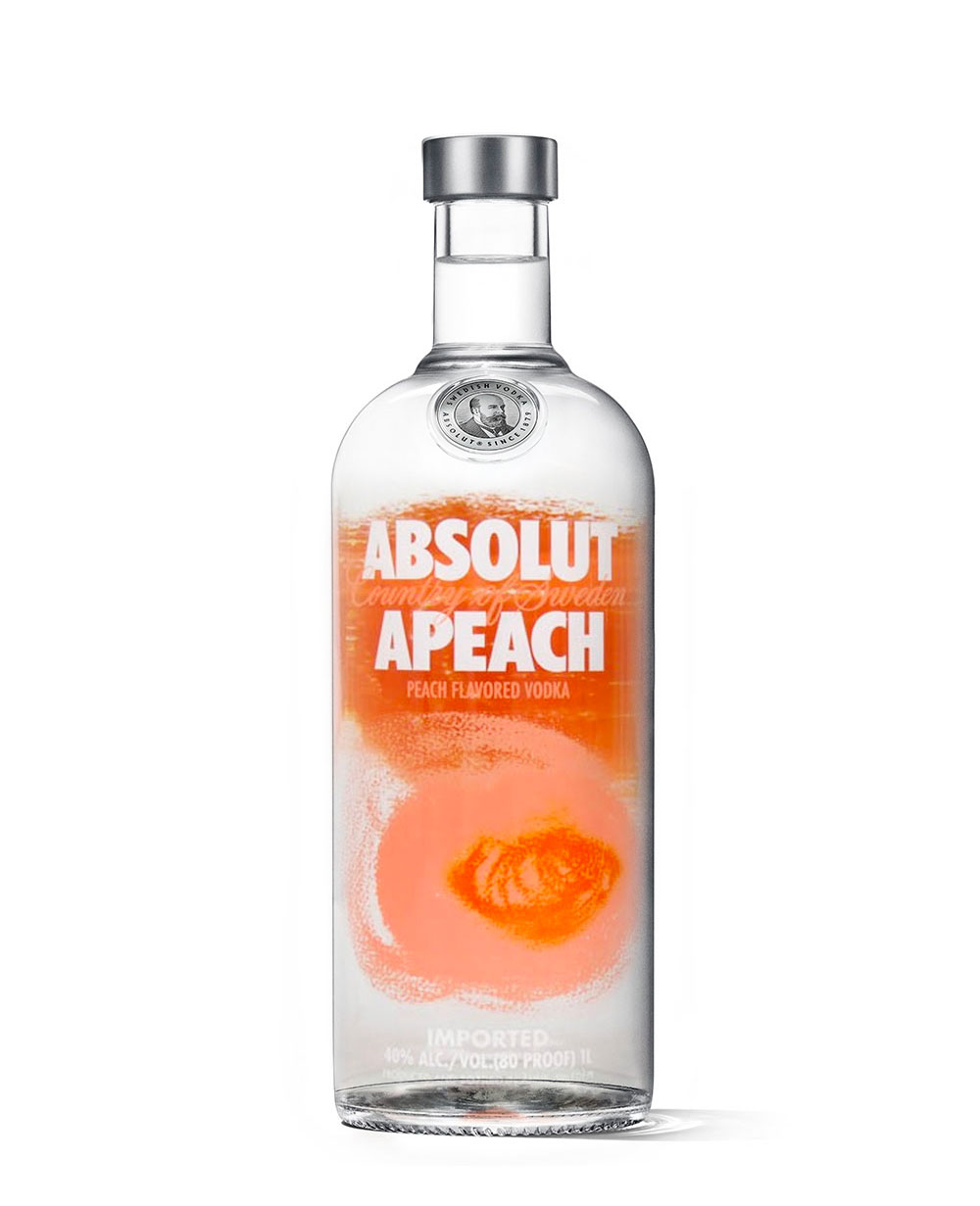
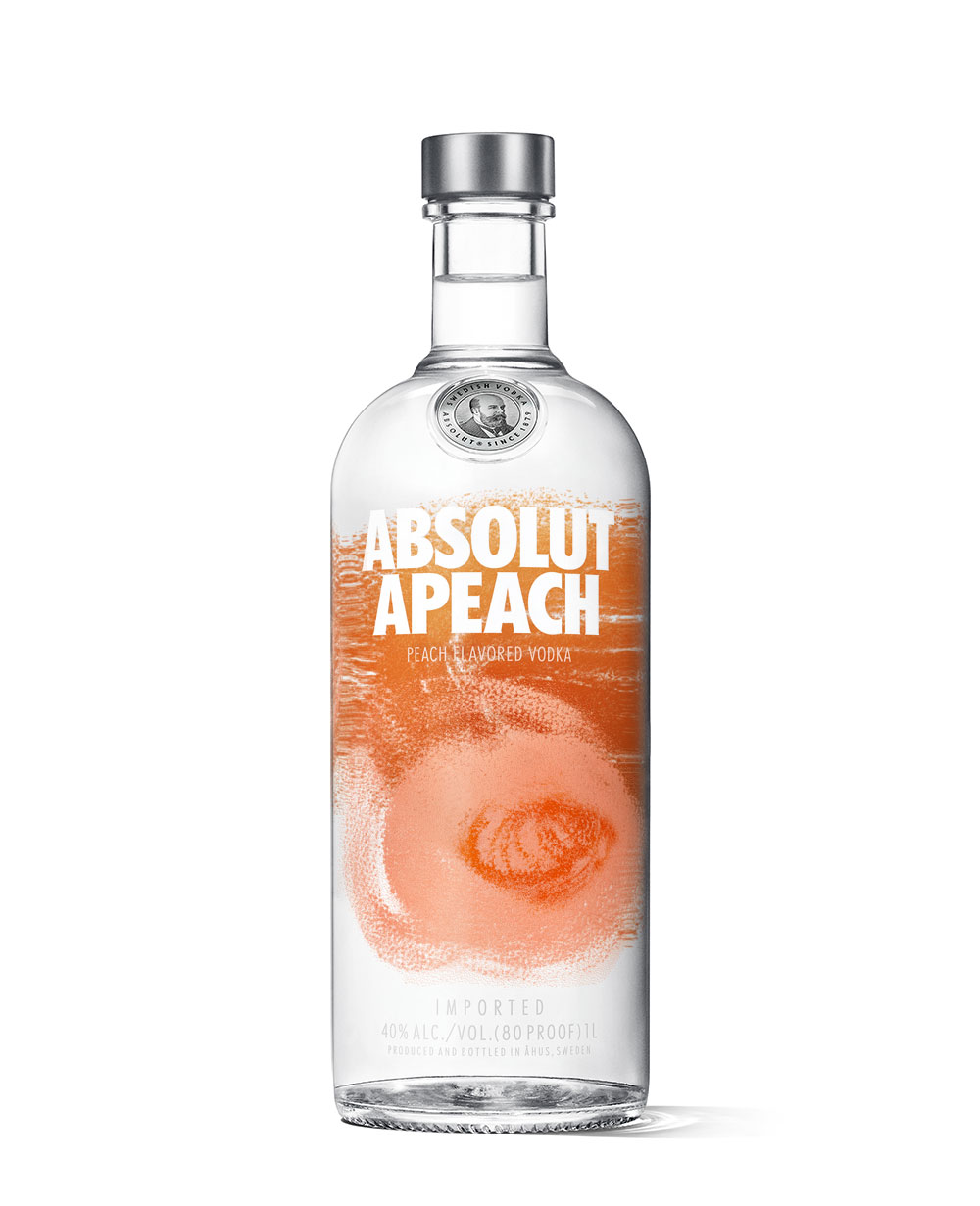
Peach arrived in the core range in 2005 as Absolut Apeach, built like the rest of the family on natural flavour alone — no sugar added — for a mellow, rounded fruit rather than a sweet one. It shipped worldwide in every format from the 50 ml miniature to the litre.
Open the edition › -
Edition 12 of 91
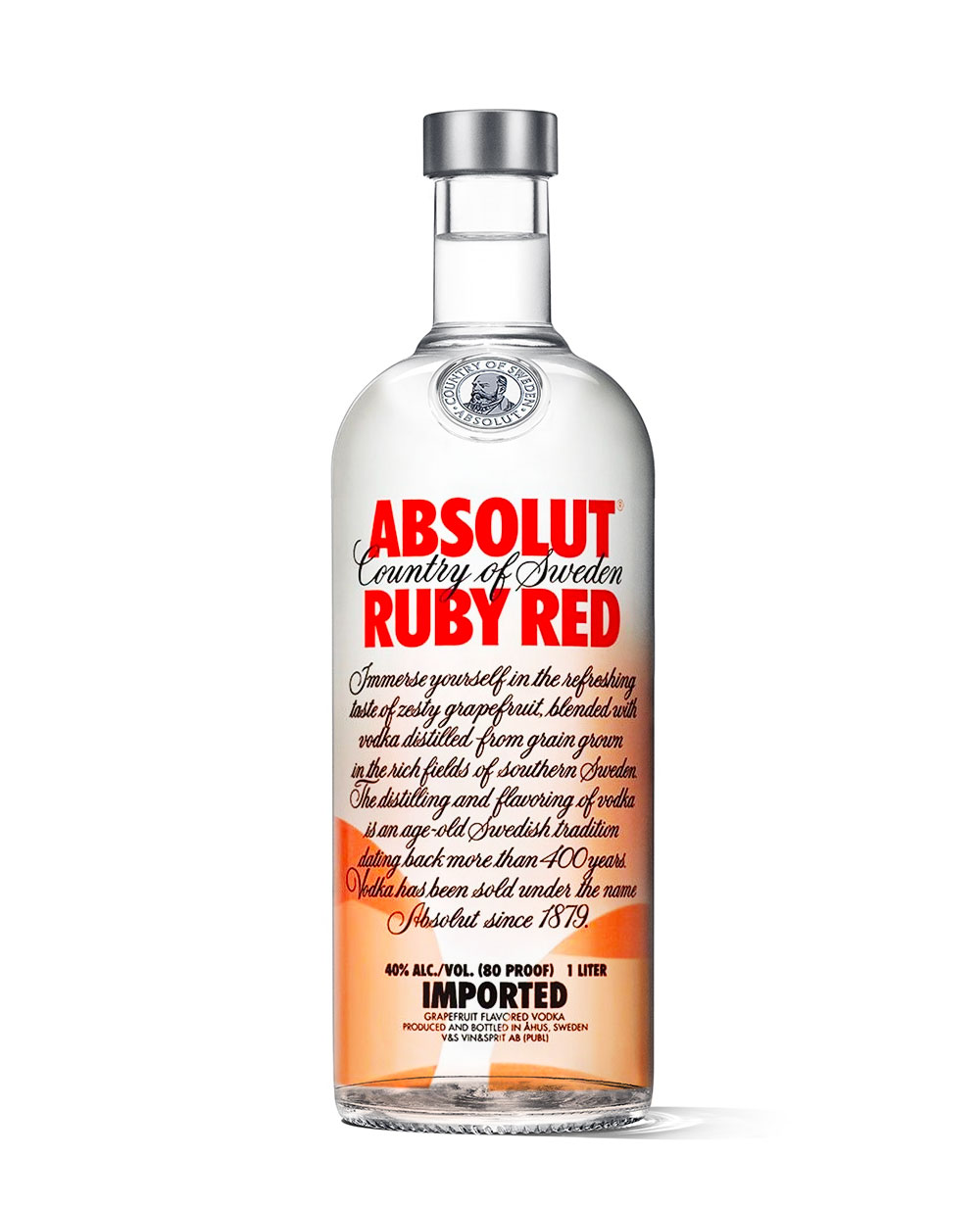
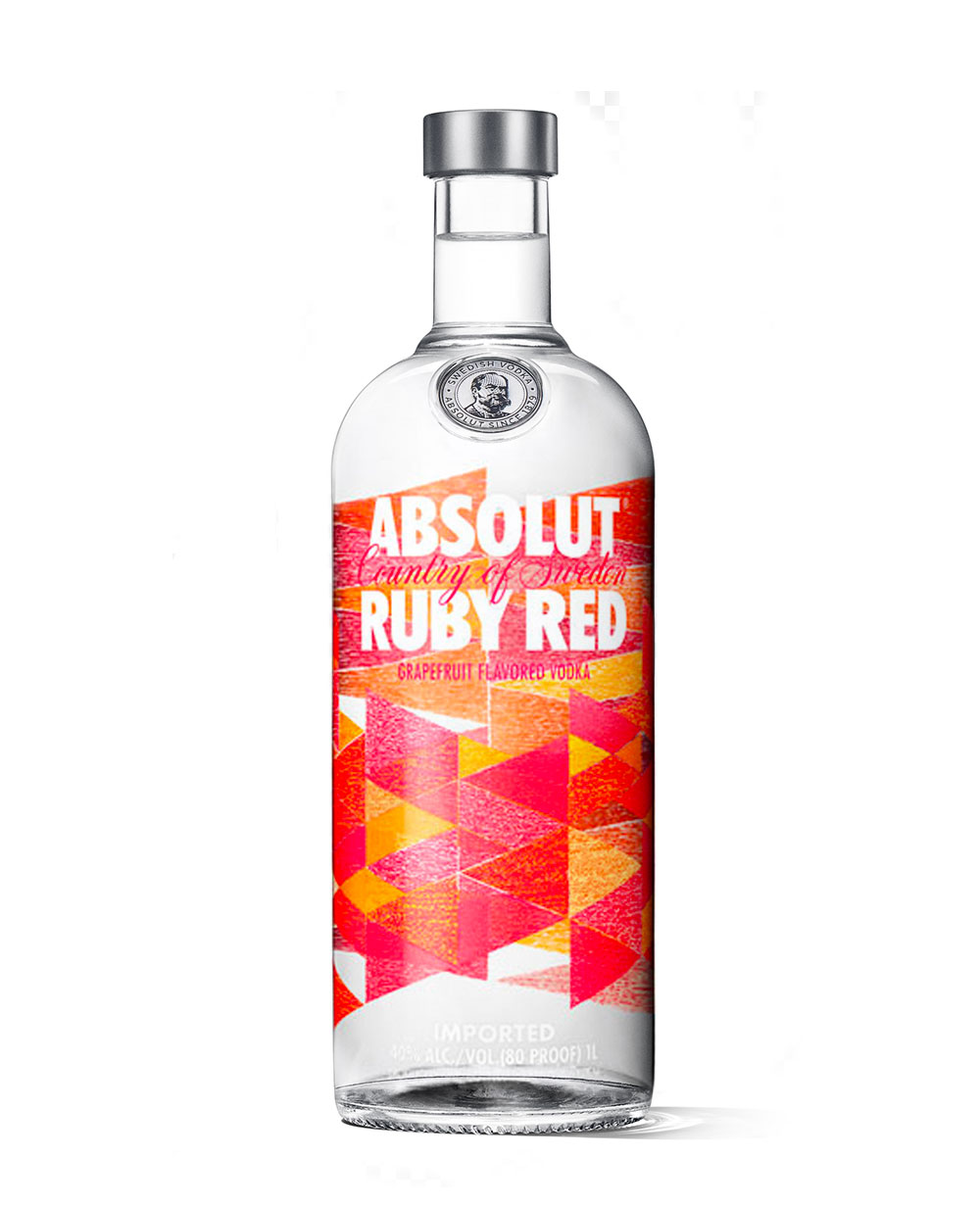
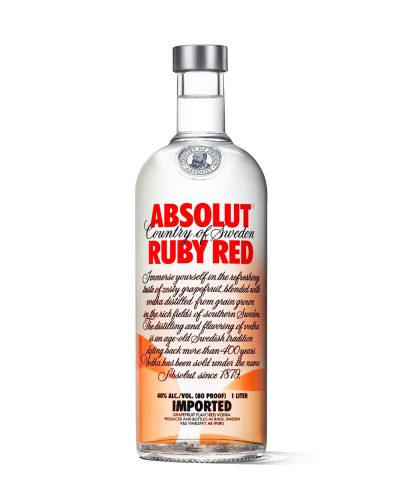
Ruby Red 2006
2006 · 8 variants
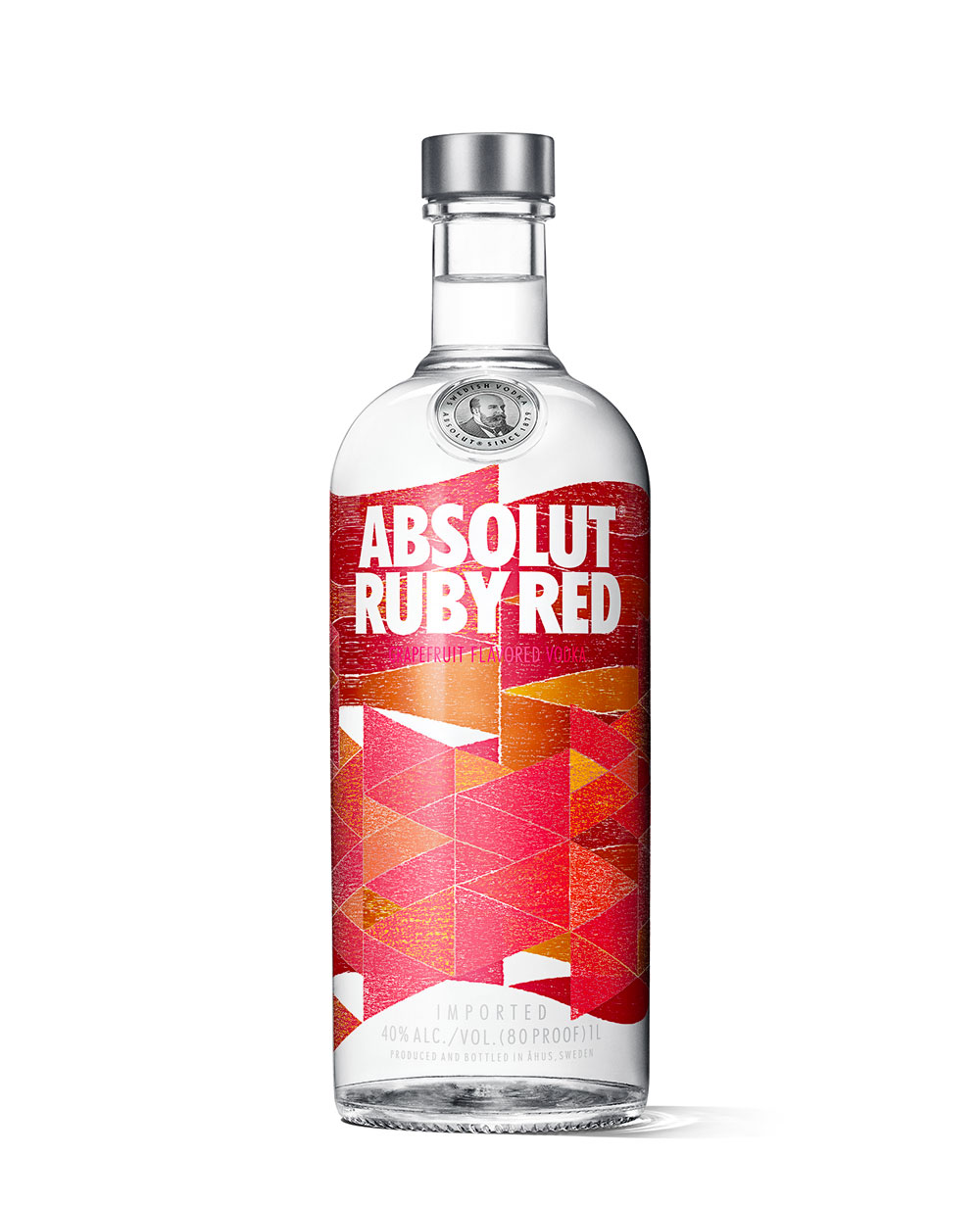
Grapefruit, launched in 2006 — smooth and fruity with a zesty, crisp edge, on natural flavours with no sugar added.
Open the edition › -
Edition 13 of 91
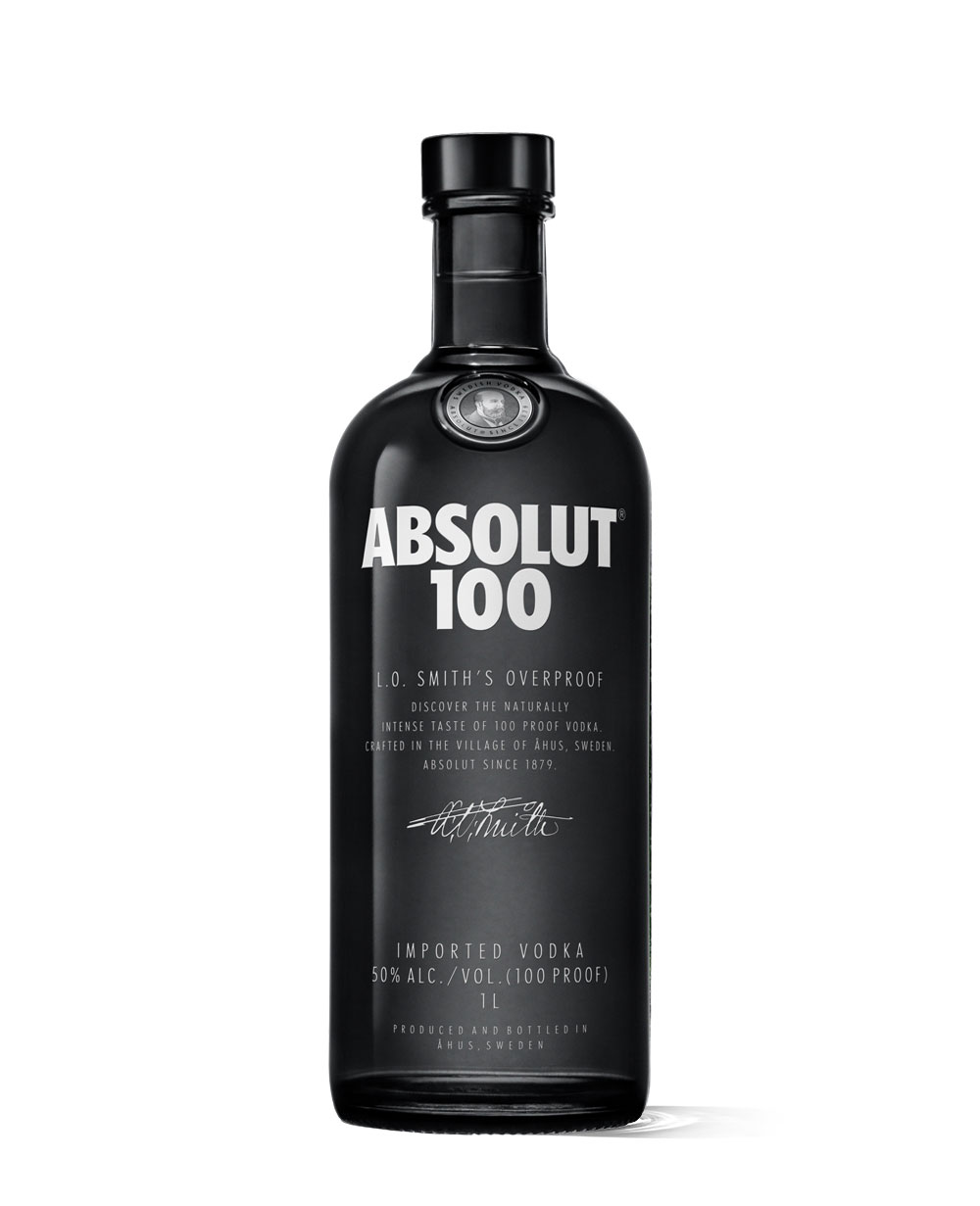
100 2007
2007 · 7 variants
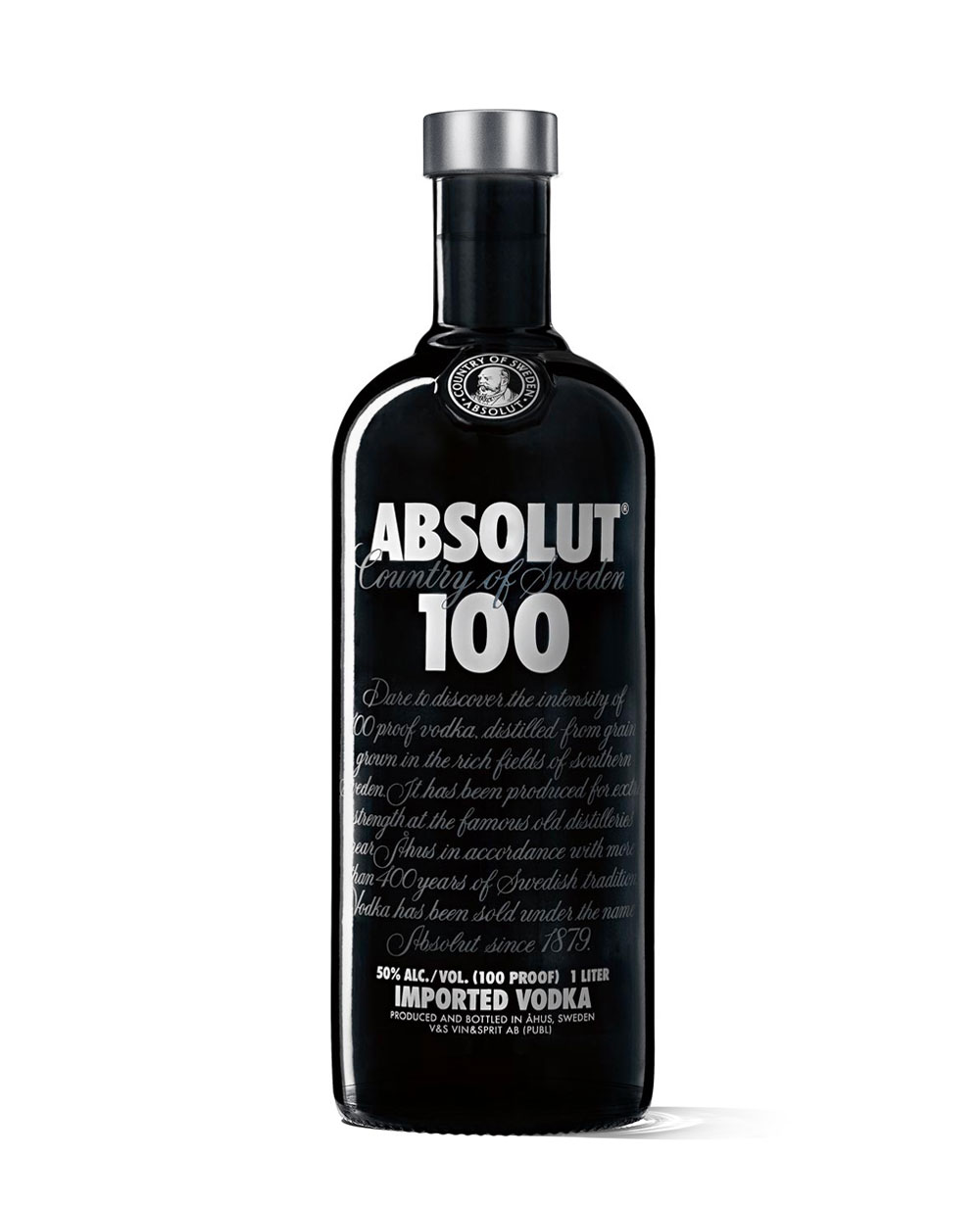
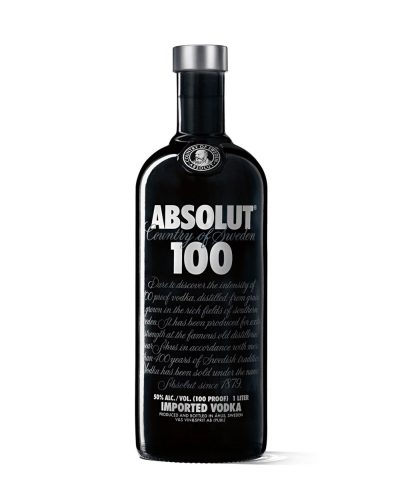
Absolut 100 joined the core range in 2007, taking the place of the Red Label with an overproof spirit in an all-black bottle. Like the rest of the family it is made at Åhus from winter wheat and water from the estate's own deep well, with no sugar added; the higher strength gives it a spicier, denser character than the standard blue label.
Open the edition › -
Edition 14 of 91
Pears 2007
2007 · 7 variants
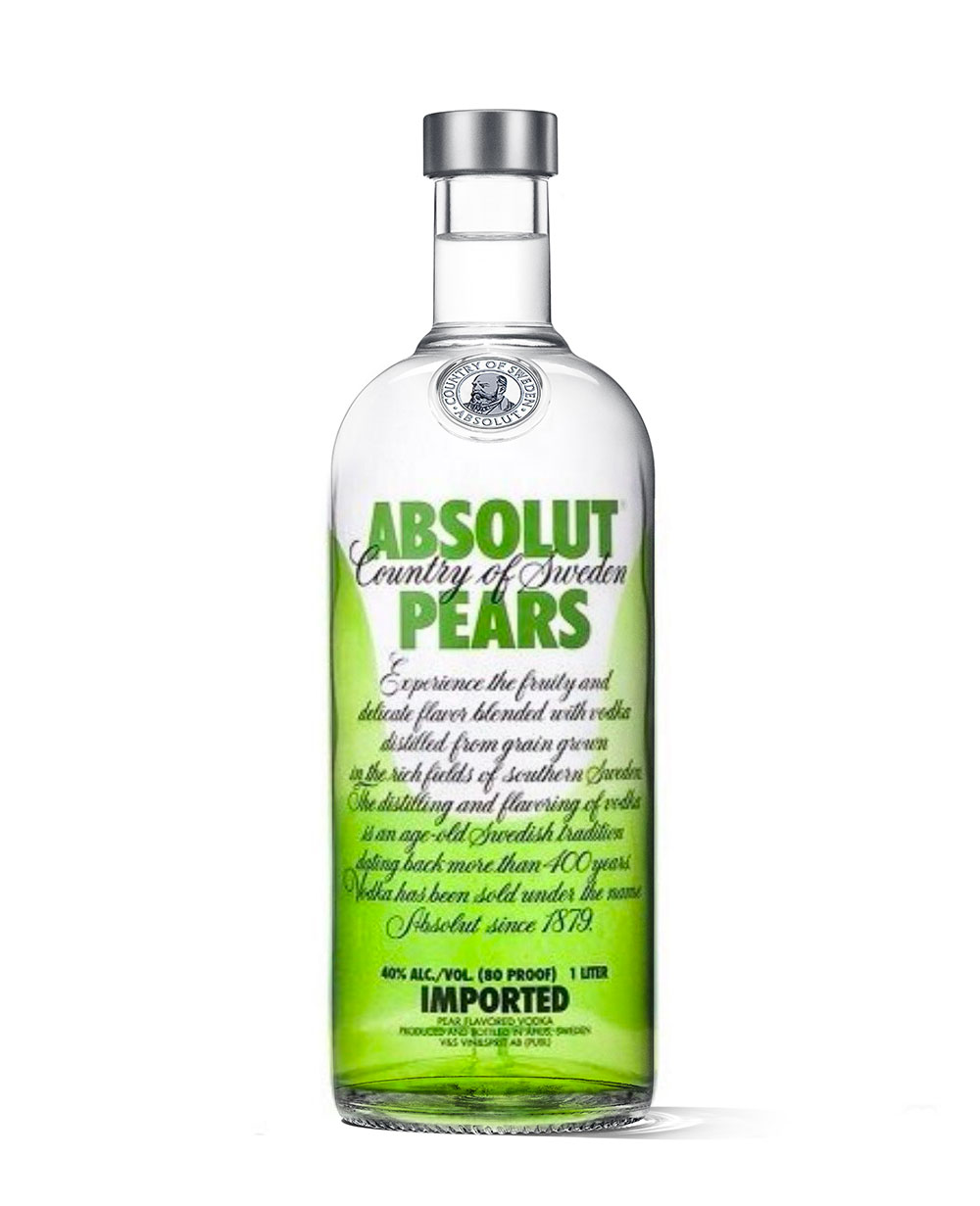
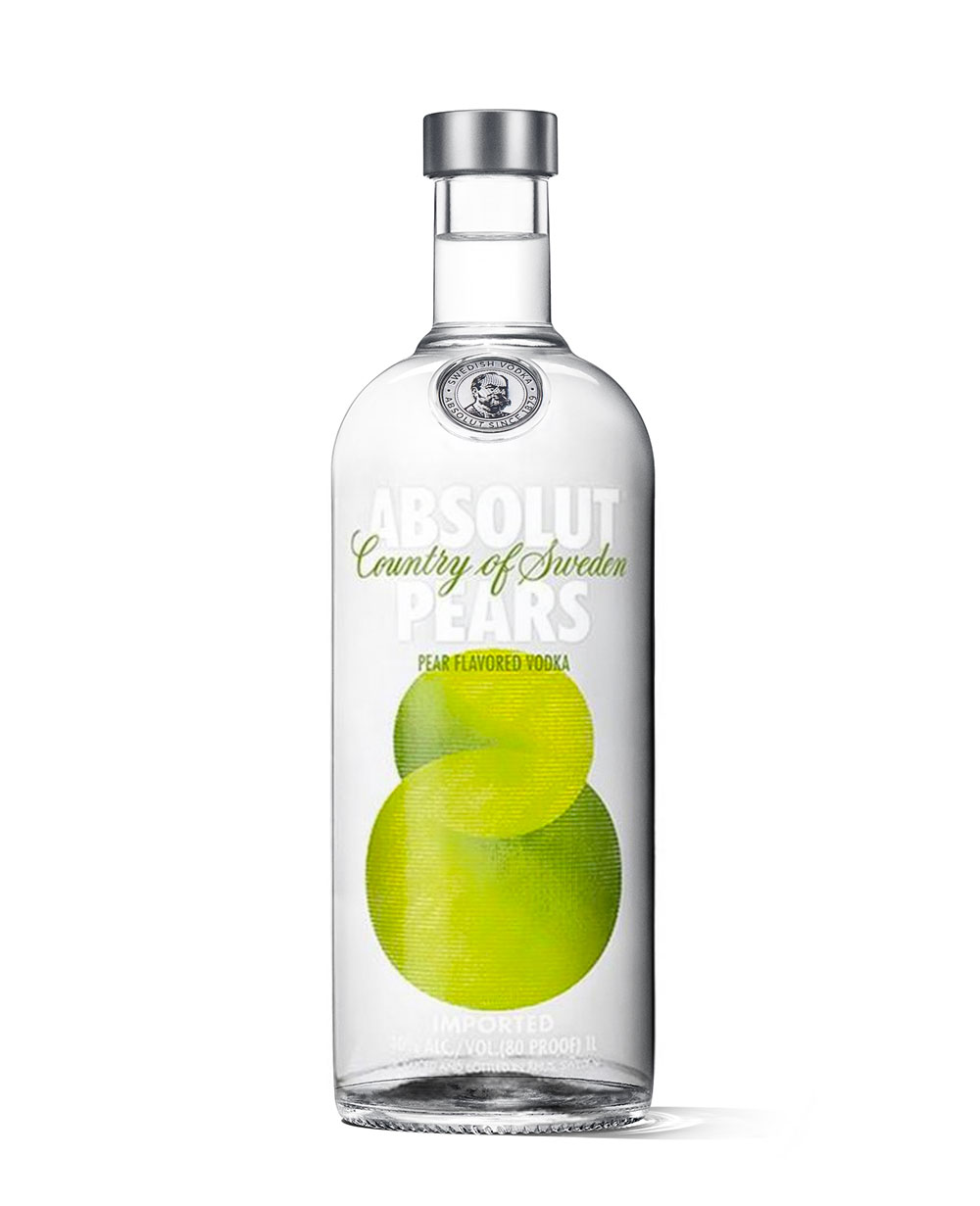
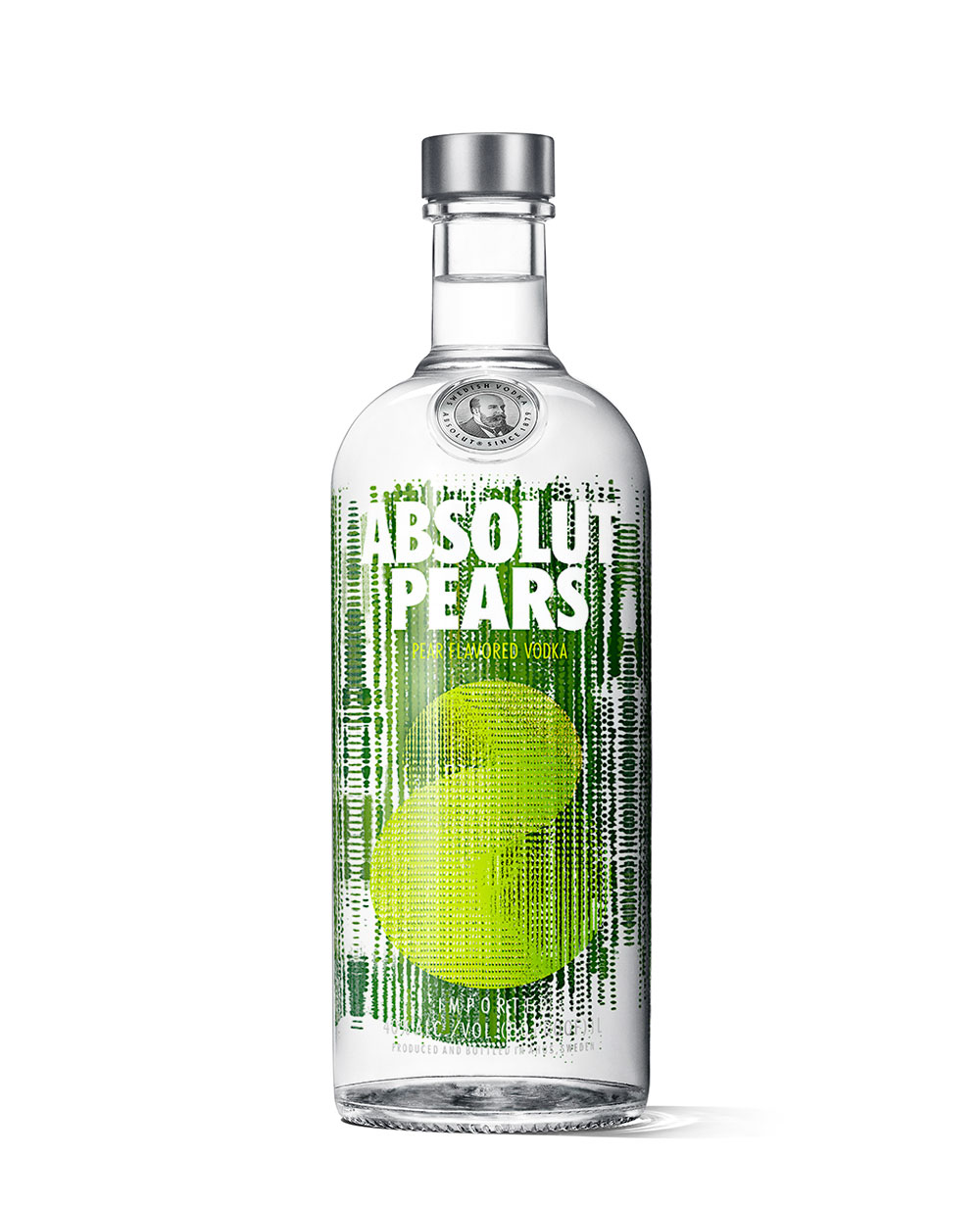
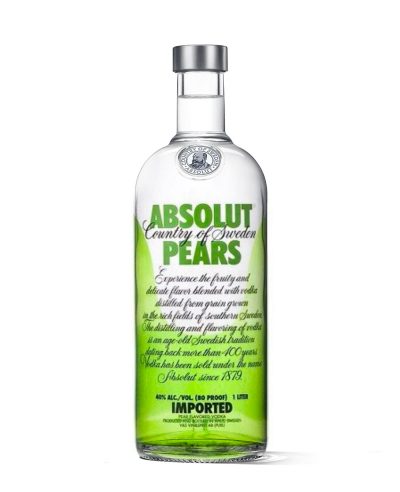
Pear, launched in 2007 — fresh and delicate rather than sugary, with a long fruity finish. Naturally flavoured, no sugar added.
Open the edition › -
Edition 15 of 91
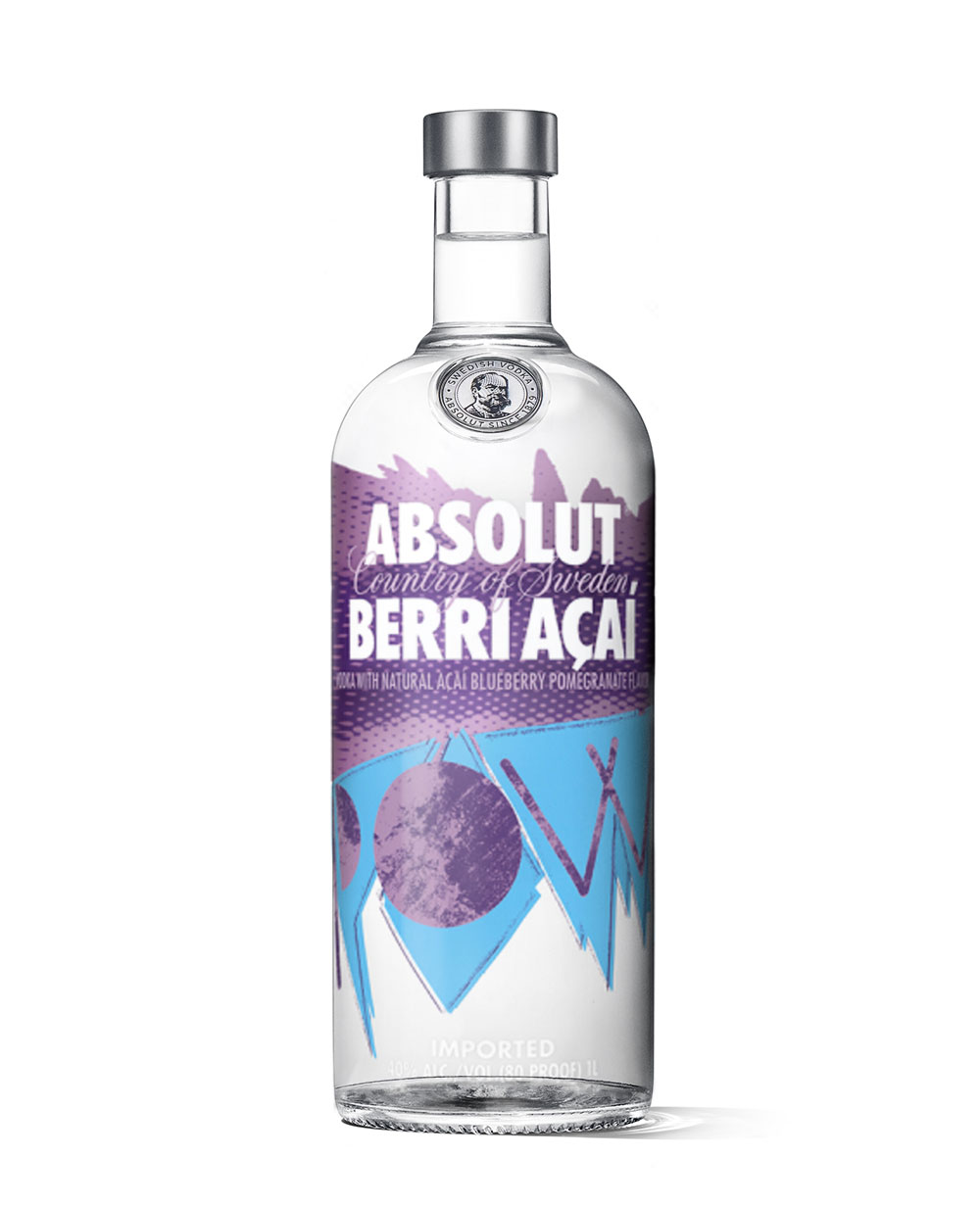
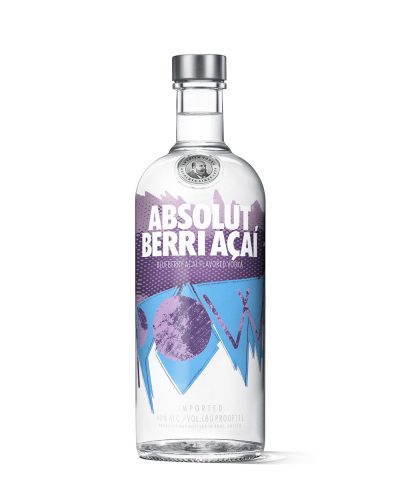
Berri Açai 2010
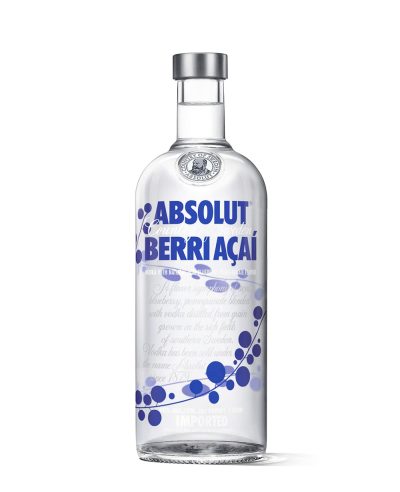
2010 · 5 variants
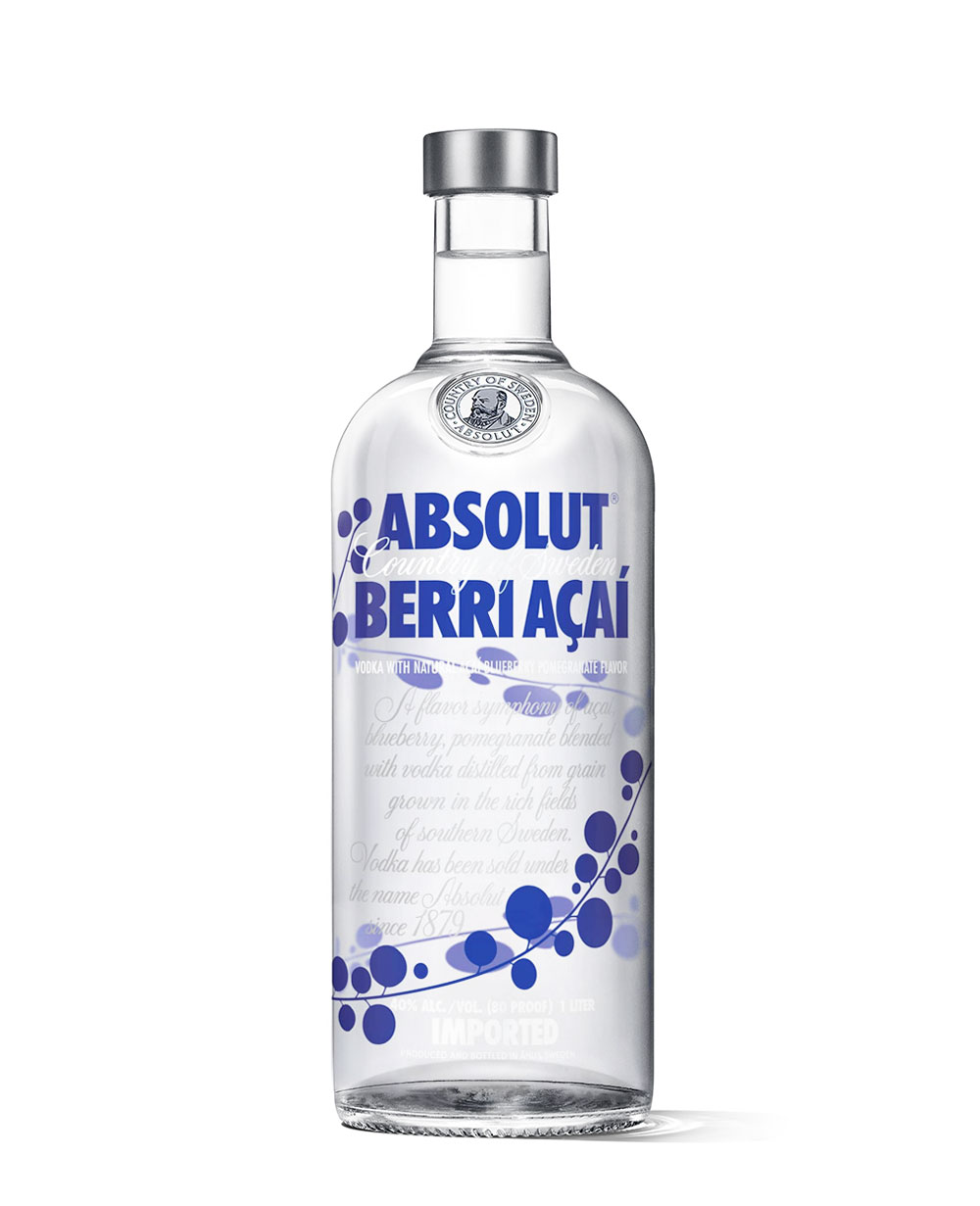
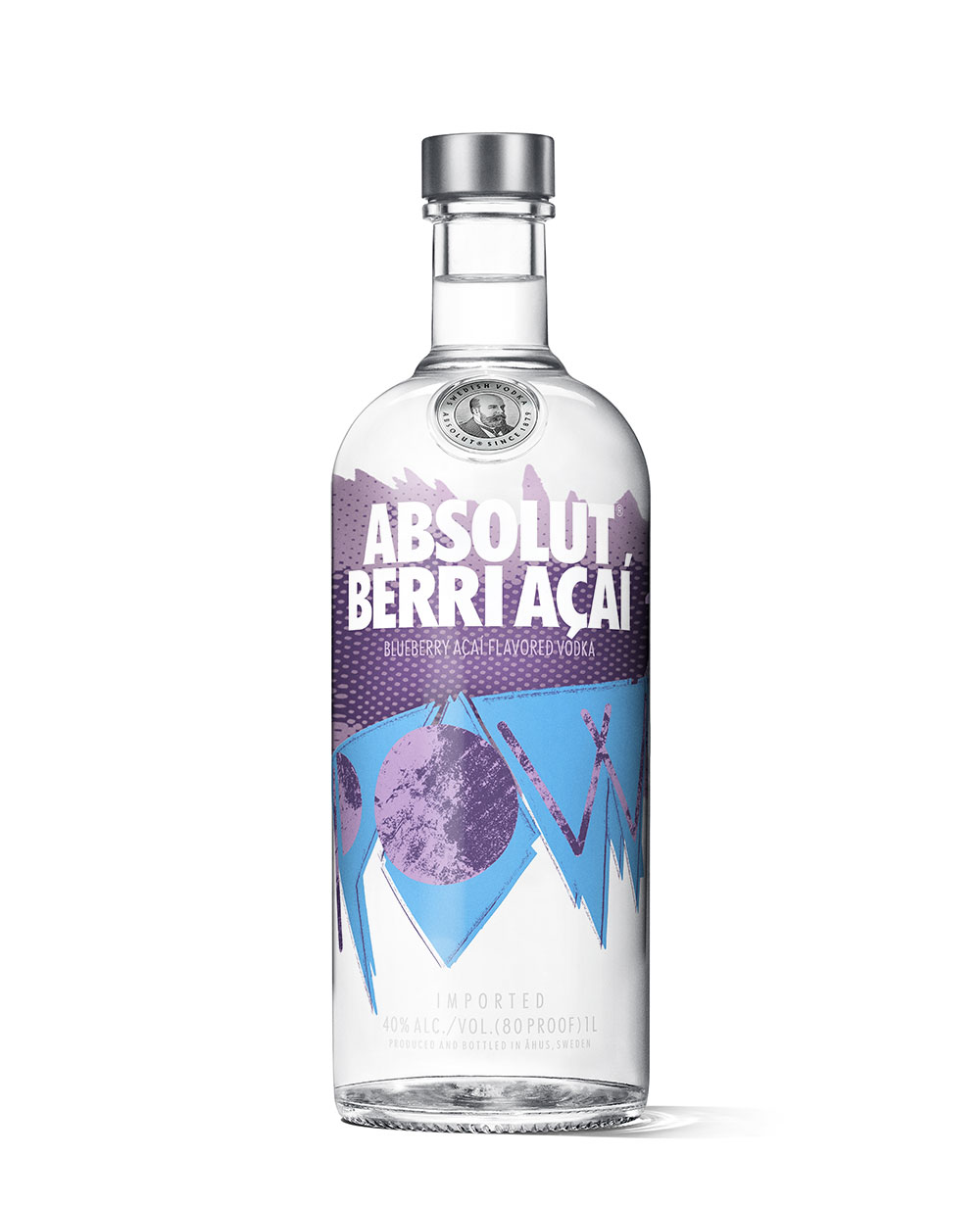
Berri Açaí entered the core range in 2010 on açaí, blueberry and pomegranate, a flavour drawn from berries and fruit gathered from around the world rather than from Sweden. No sugar, natural flavours only, over grain vodka distilled in the south of the country — and, cut with cranberry juice and orange liqueur, the basis of a Cosmopolitan.
Open the edition › -
Edition 16 of 91
Mango 2010
2010 · 4 variants
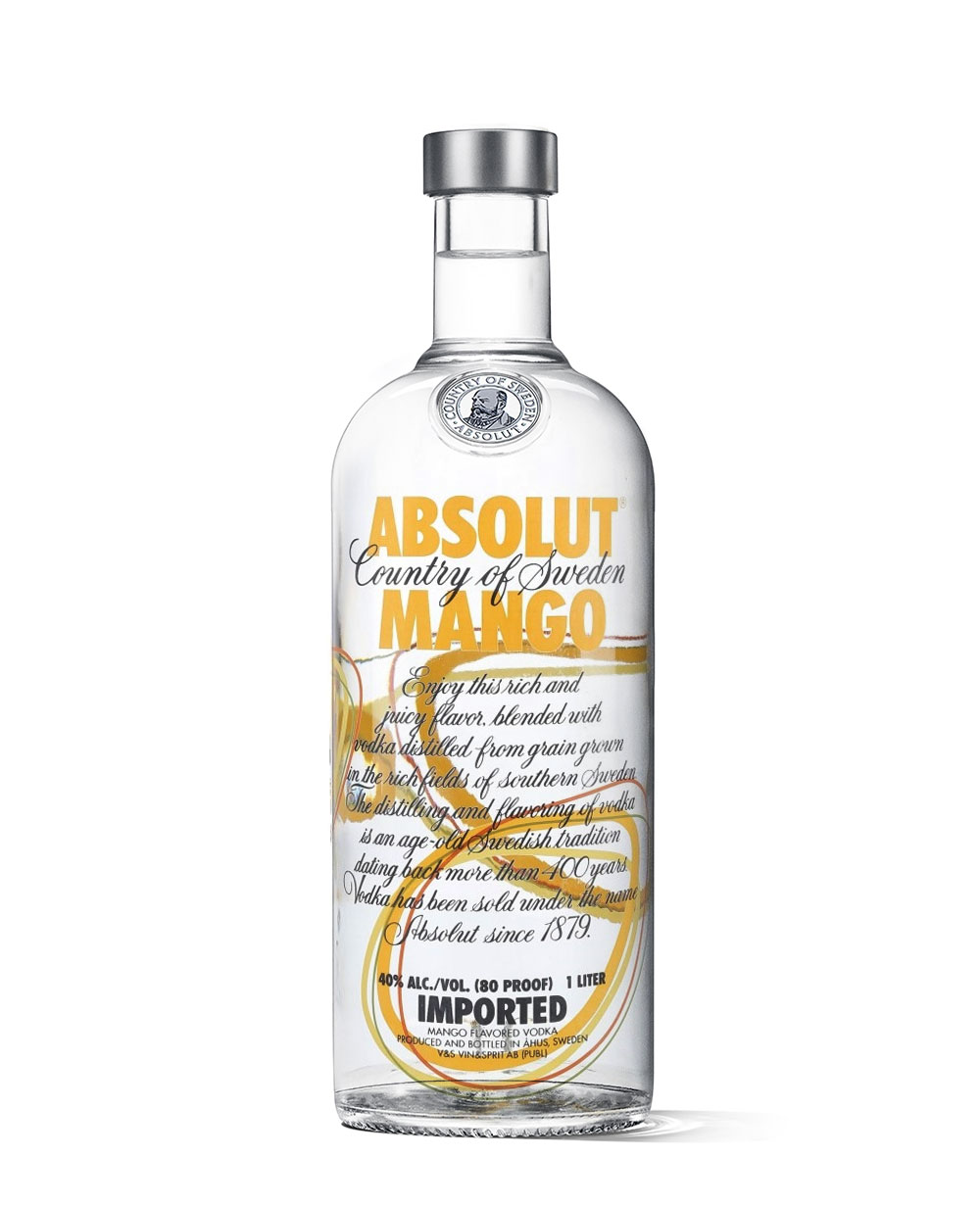
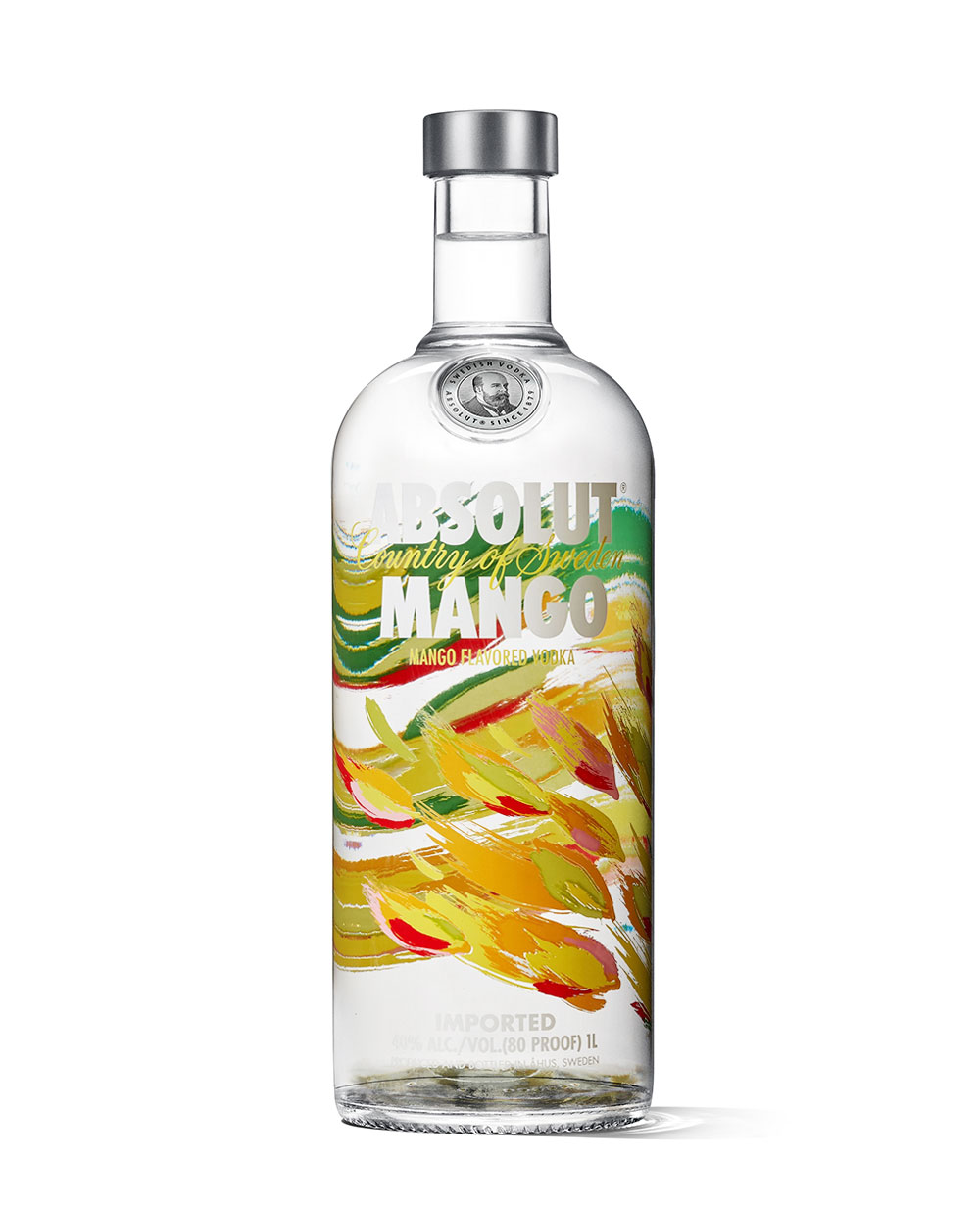
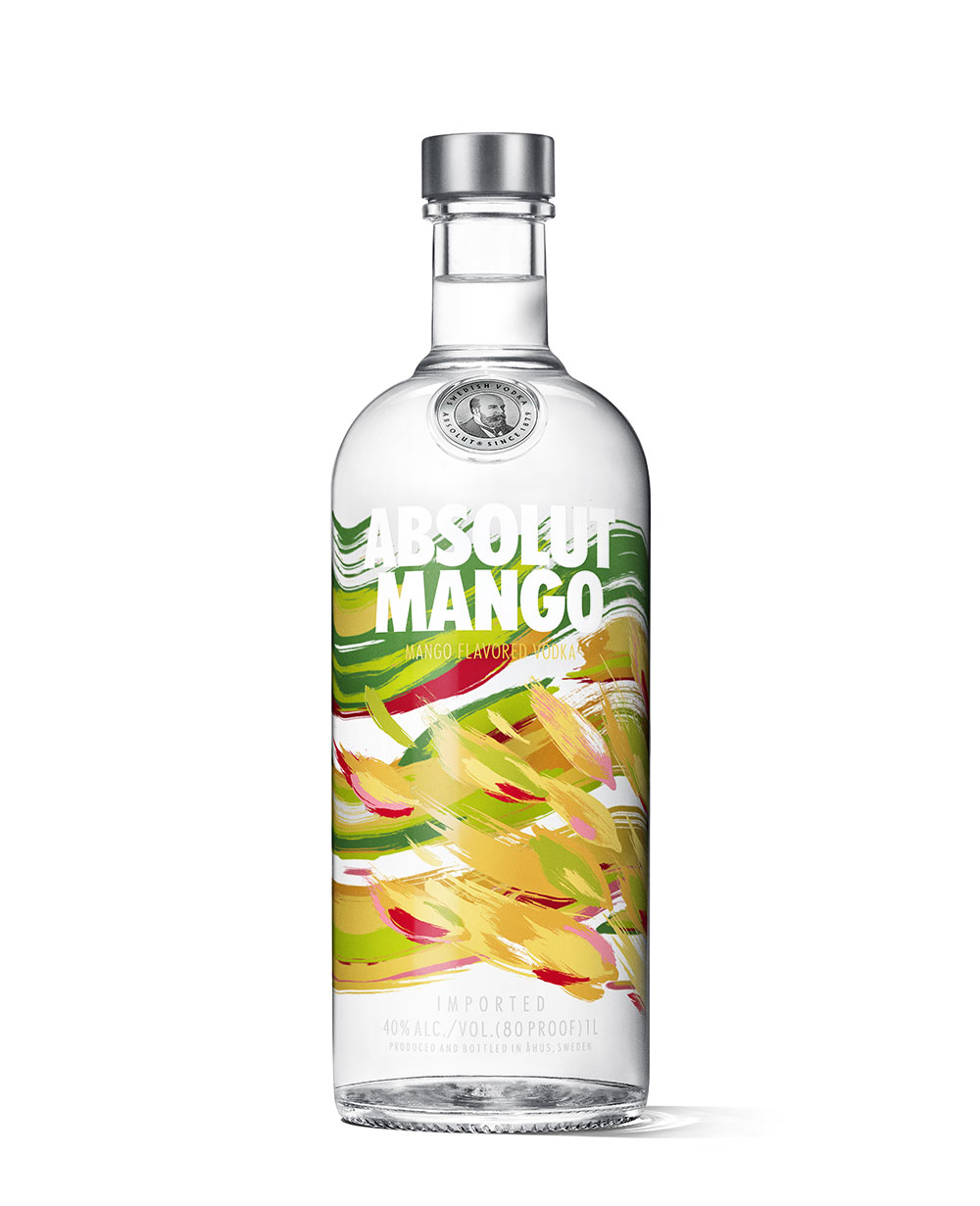
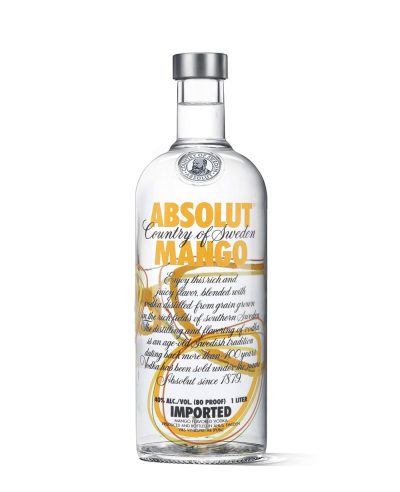
Ripe mango, full-bodied and juicy with tropical fruit behind it. Naturally flavoured, no sugar added.
Open the edition › -
Edition 17 of 91
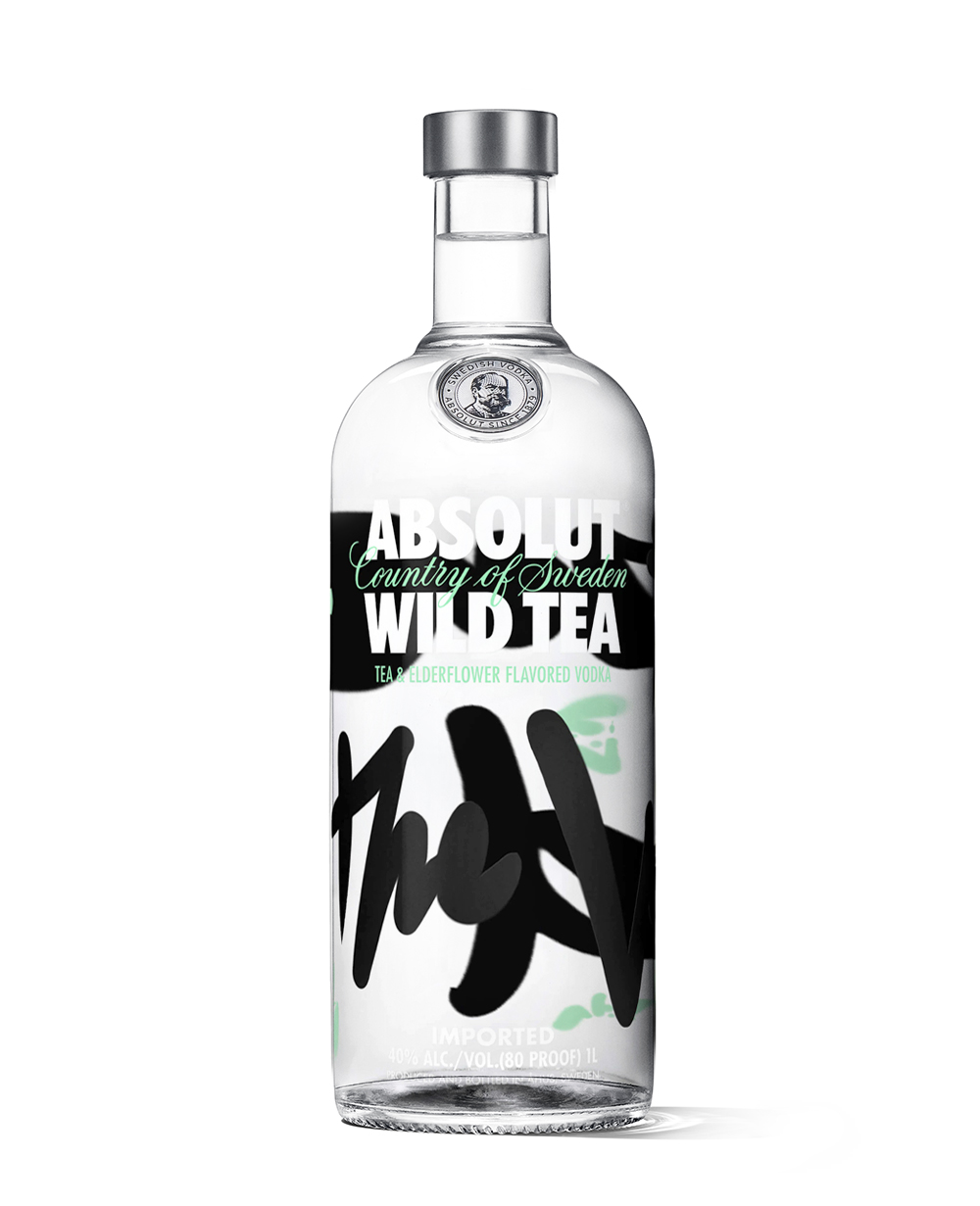
Wild Tea 2010
2010 · 4 variants
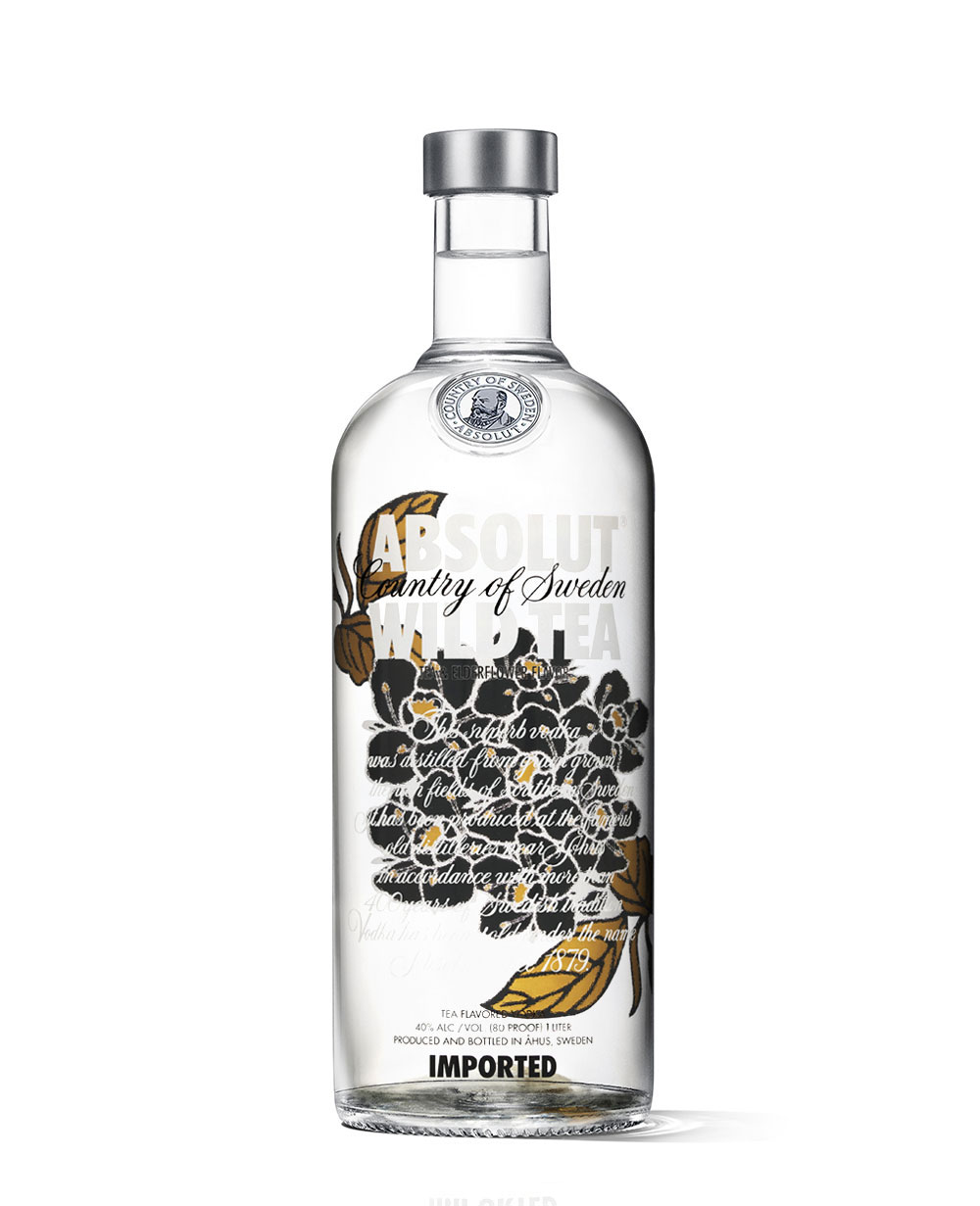
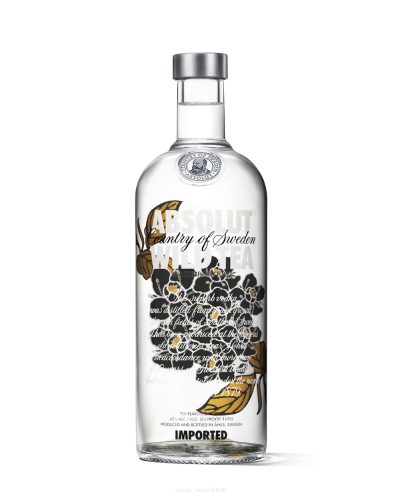
Black tea against Scandinavian elderflower — dark and rich on one side, delicate on the other. The nose carries red apple, tea, elderflower and citrus; the taste is smooth and floral, naturally sweet, and finishes dry. Launched in 2010.
Open the edition › -
Edition 18 of 91
Blue Label 2011
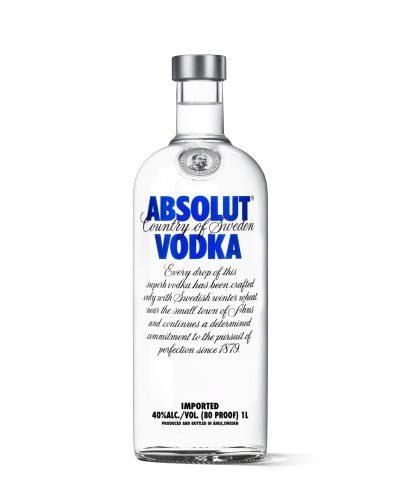
2011 · 16 variants
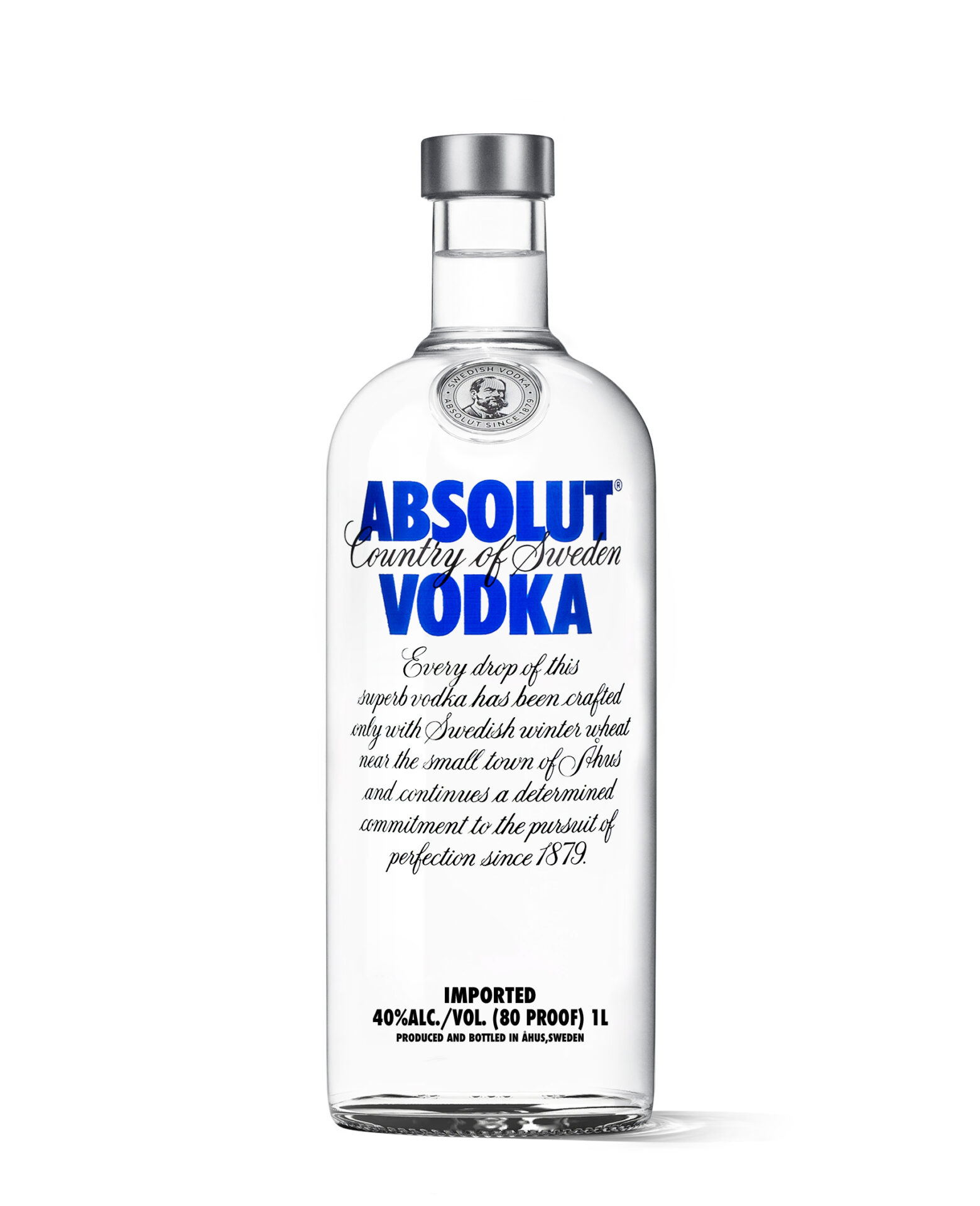
The 2011 standard bottle. The text on the glass is rewritten ("Every drop..." version) and the medallion redrawn, with L.O. Smith now turned to the right.
Open the edition › -
Edition 19 of 91
Gräpevine
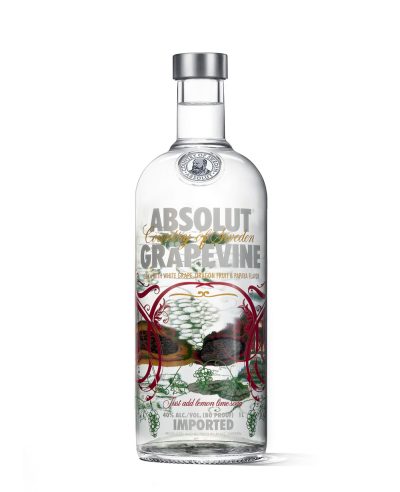
2011 · 3 variants
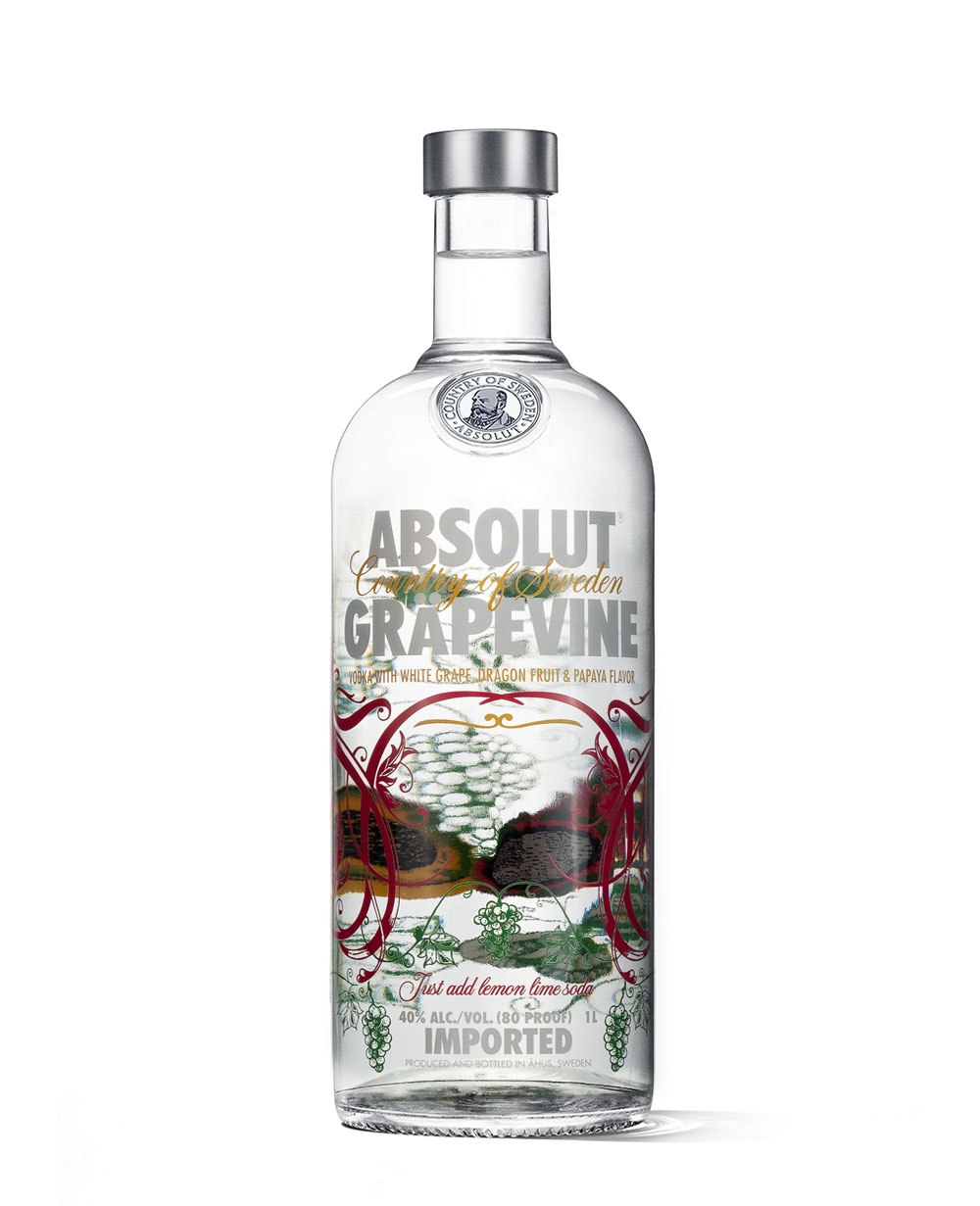
The first white grape, dragon fruit and papaya flavour, launched in 2011 and later replaced by Gräpe under a shortened name. Floral and fresh, natural flavours, no sugar — and built to need only one more ingredient to become a drink.
Open the edition › -
Edition 20 of 91
Cherrykran
2012 · 3 variants
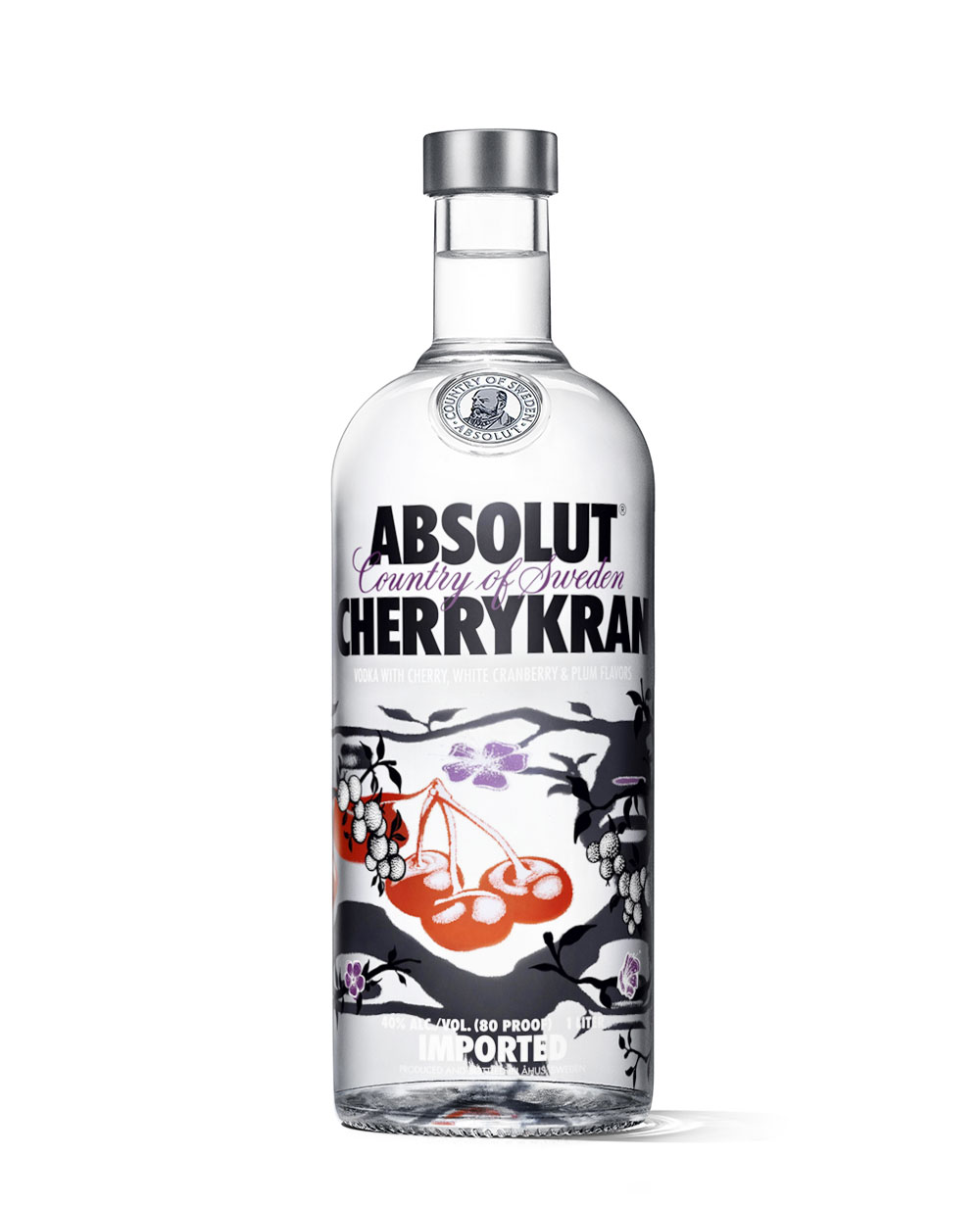
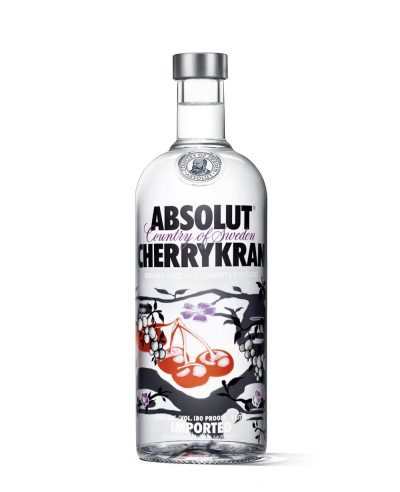
Cherry, white cranberry and sweet plum — a core flavour from 2012 that ran until Absolut Cherrys took its place. Mellow, with a long berry finish, and like the rest of the range flavoured naturally with no sugar added.
Open the edition › -
Edition 21 of 91
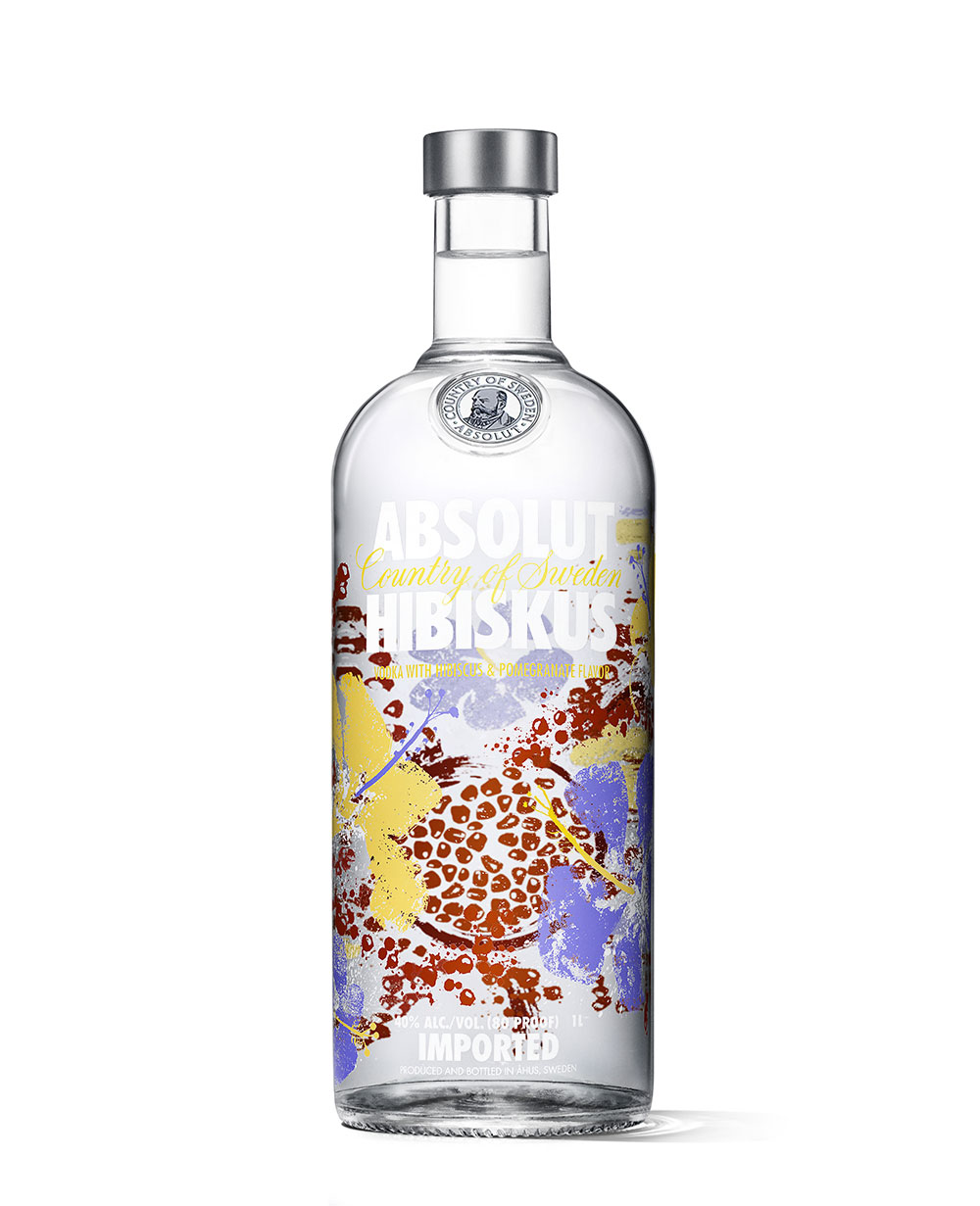
Hibiskus
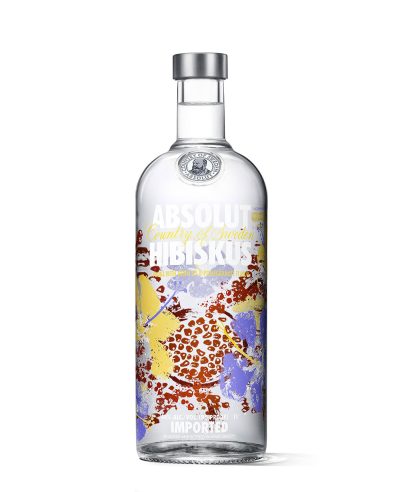
2012 · 4 variants
Hibiscus against pomegranate: floral and fruity at once, sweet naturally rather than by addition, with a tang from the hibiscus cutting through the finish. Launched in 2012.
Open the edition › -
Edition 22 of 91
Apeach 2013
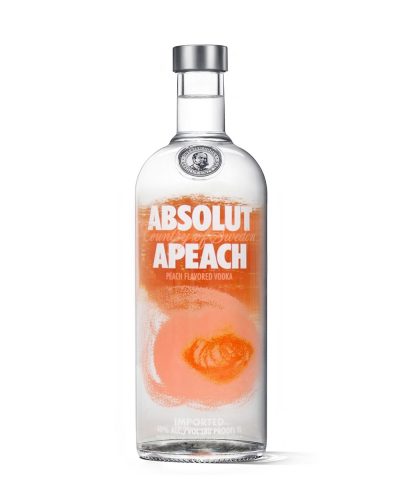
2013 · 7 variants
The 2013 restyling of Absolut Apeach. The graphics part company with the 2005 bottle, and the glass carries the second-generation medallion and a logo reading Country of Sweden.
Open the edition › -
Edition 23 of 91
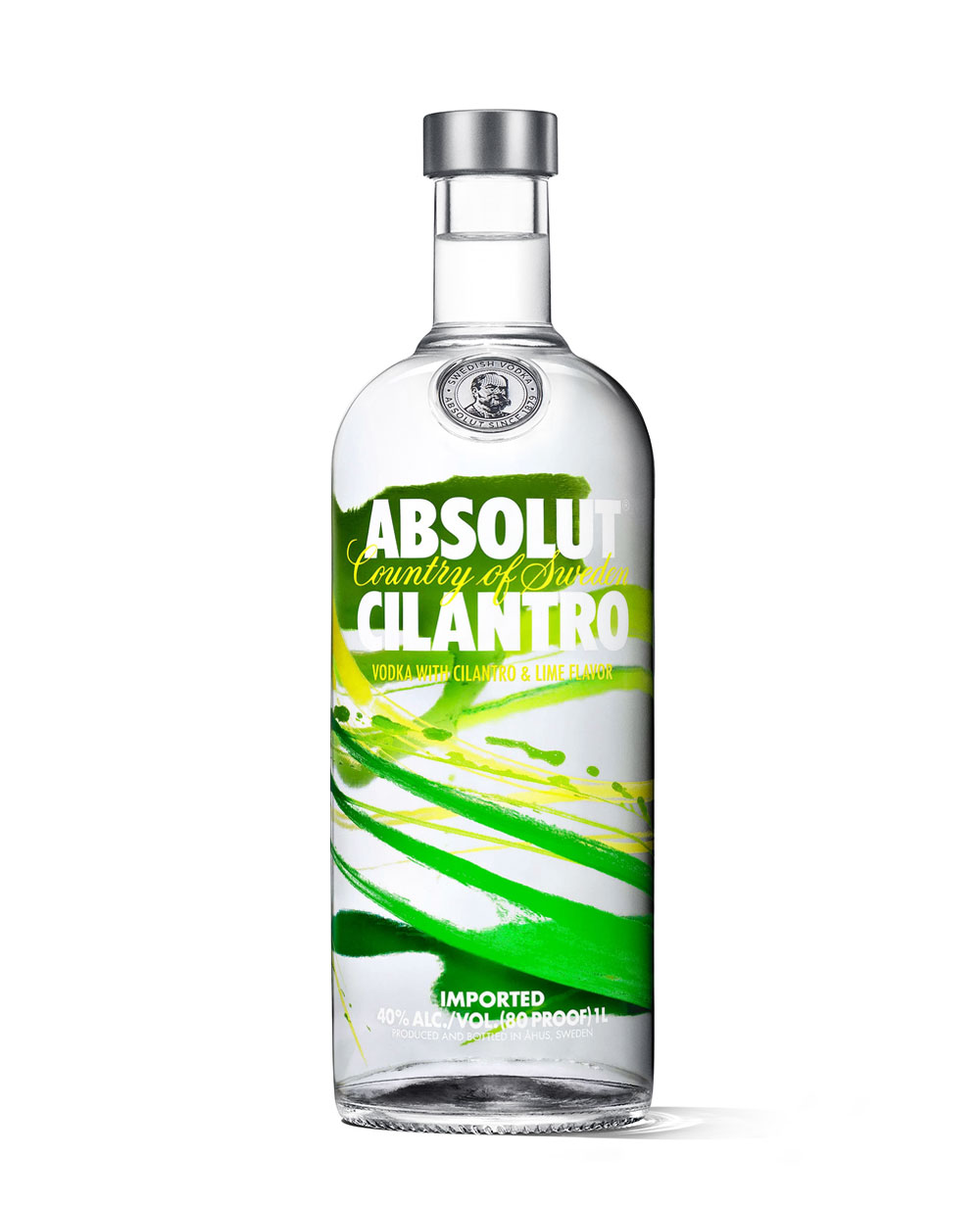
Cilantro
2013 · 3 variants
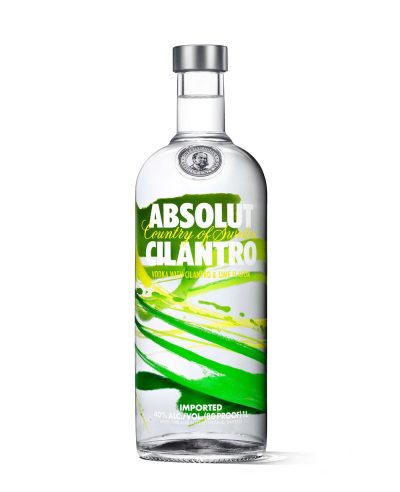
Coriander and lime, taken straight from Latin American kitchens — aromatic, fresh, with a herbaceous kick on the finish. Launched in 2013, on natural flavours with no sugar added.
Open the edition › -
Edition 24 of 91
Citron 2013
2013 · 8 variants
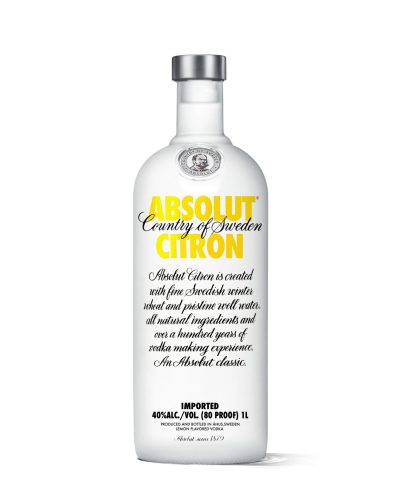
The second-generation Citron, rewritten on the glass and given a new medallion in which L.O. Smith looks to the right.
Open the edition › -
Edition 25 of 91
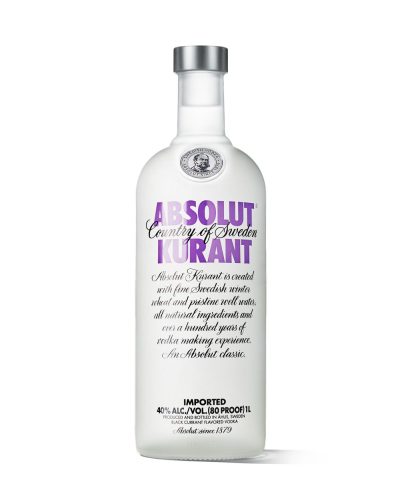
Kurant 2013
2013 · 7 variants
The 2013 Kurant, on frosted glass with the text on the bottle rewritten.
Open the edition › -
Edition 26 of 91
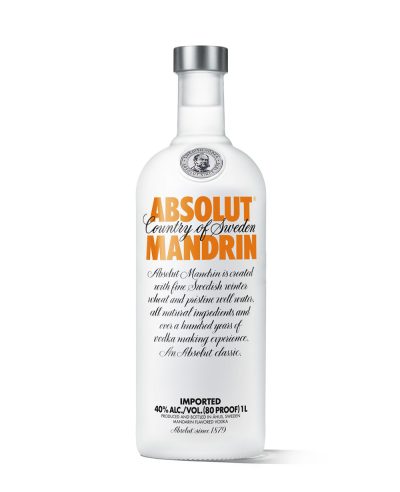
Mandrin 2013
2013 · 8 variants
The second-generation Mandrin, with the text on the bottle rewritten from the 1999 version.
Open the edition › -
Edition 27 of 91
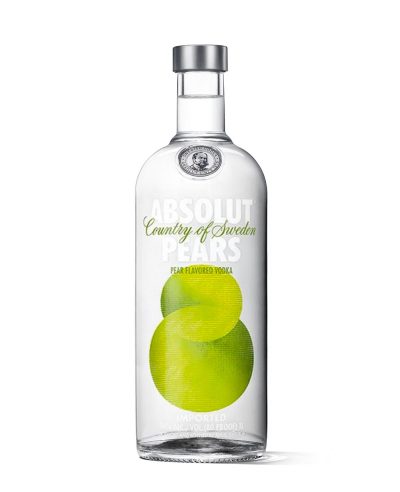
Pears 2013
2013 · 7 variants
The 2013 Pears takes new artwork, the second medallion, and a logo reading Country of Sweden.
Open the edition › -
Edition 28 of 91
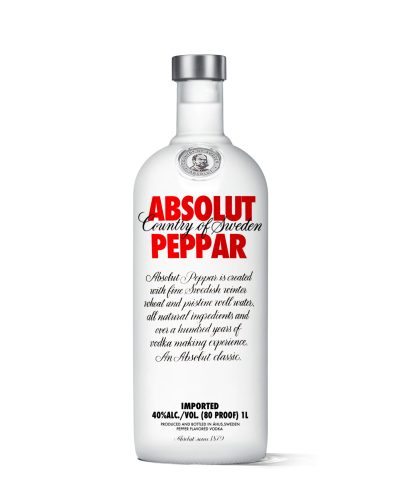
Peppar 2013
2013 · 6 variants
The second-generation Peppar, restyled in 2013.
Open the edition › -
Edition 29 of 91
Raspberri 2013
2013 · 7 variants
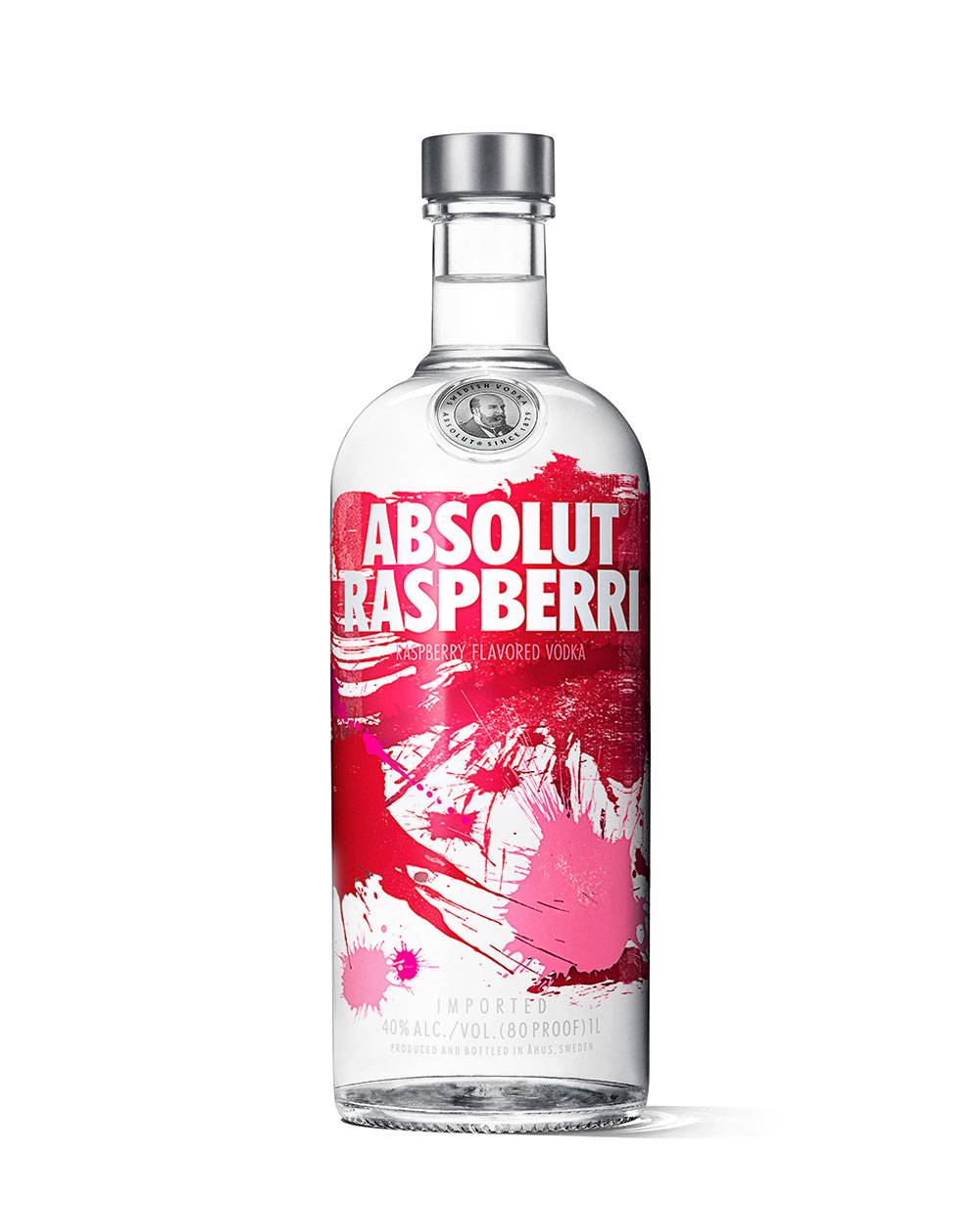
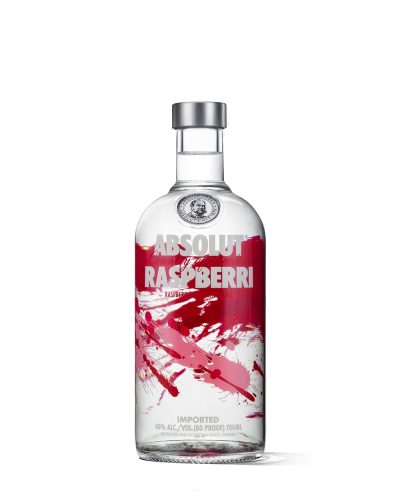
The 2013 Raspberri takes new artwork, the second medallion, and a logo carrying Country of Sweden.
Open the edition › -
Edition 30 of 91
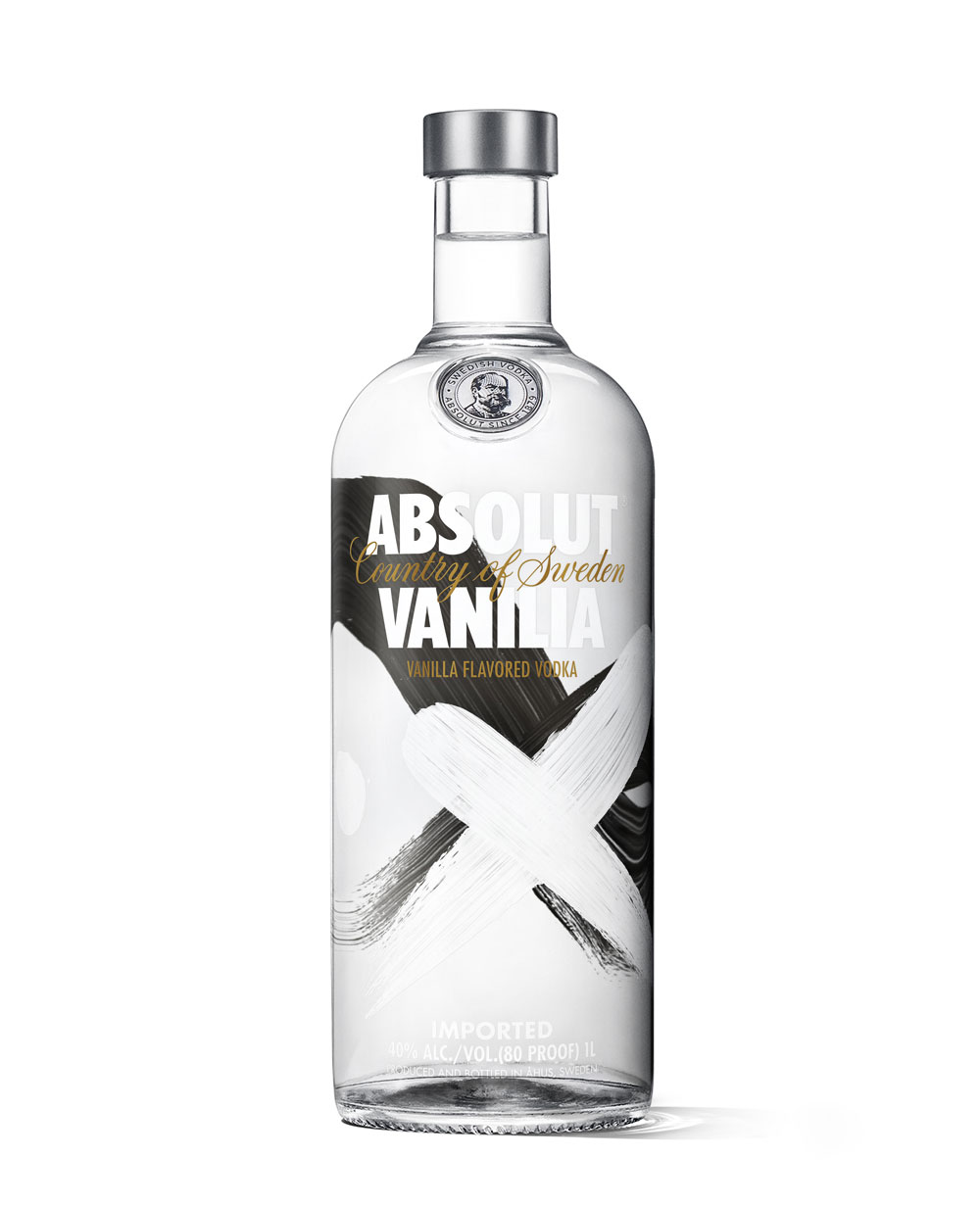
Vanilia 2013
2013 · 4 variants
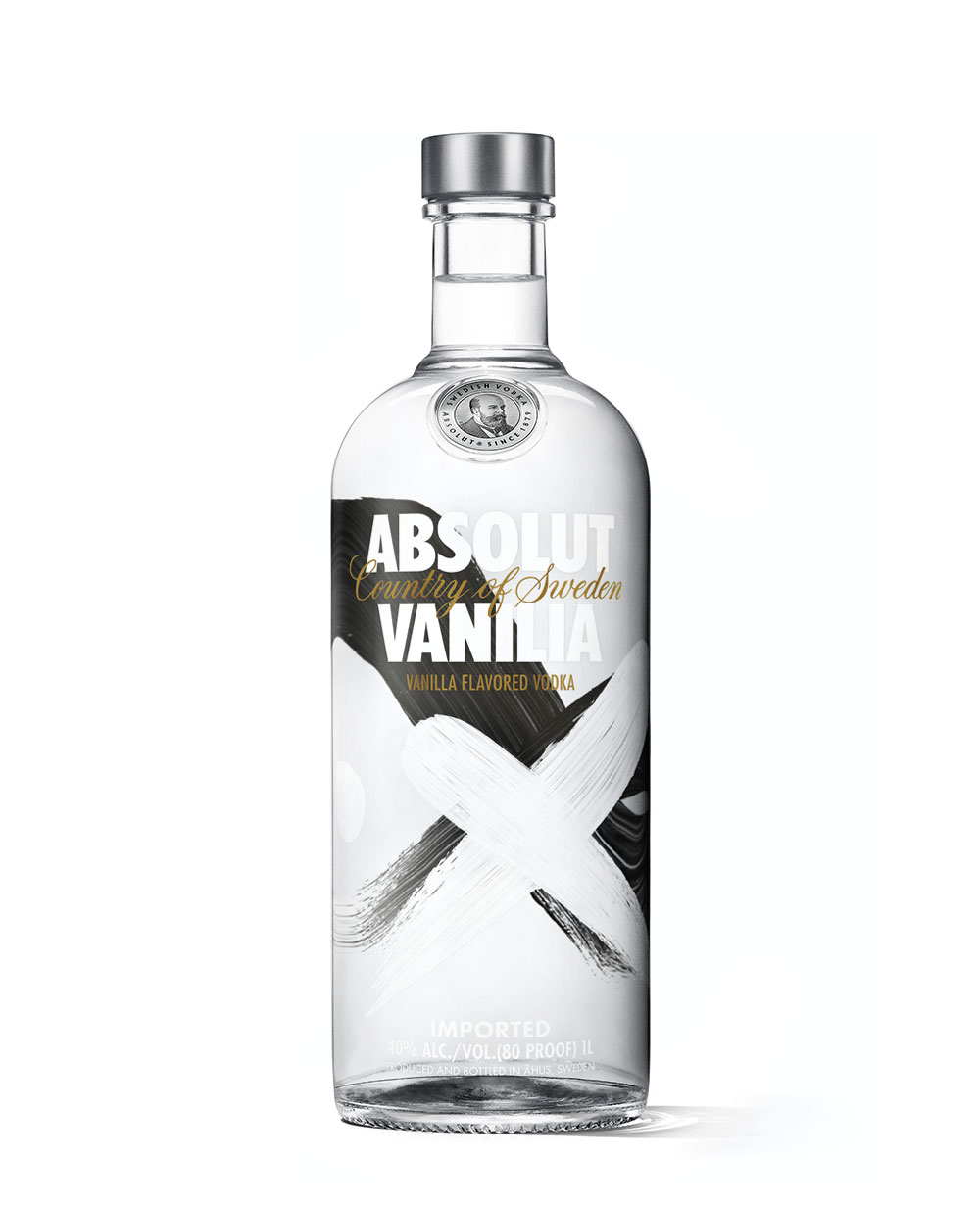
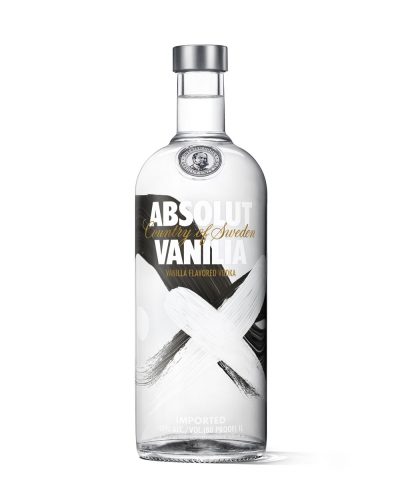
The 2013 Vanilia: new artwork, the second medallion, Country of Sweden on the logo. Rich and complex under the vanilla, with butterscotch and a trace of dark chocolate.
Open the edition › -
Edition 31 of 91
Vanilia Experience this Rich
2013 · 4 variants
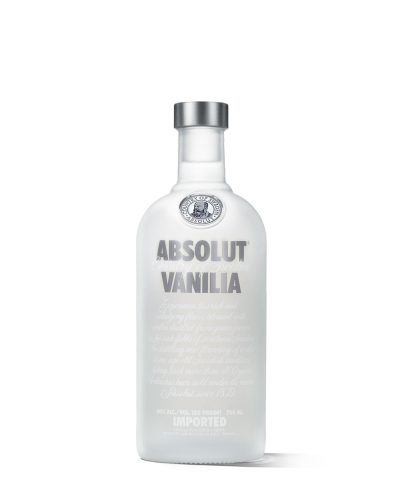
The Vanilia whose bottle text opens “Experience this rich…”, on a transparent logo.
Open the edition › -
Edition 32 of 91
Berri Açai 2014
2014 · 5 variants
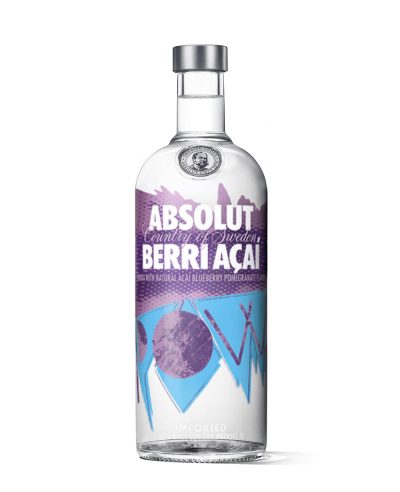
The 2014 Berri Açaí drops the artwork of the 2010 bottle for a new one, and carries the second medallion with Country of Sweden on the logo.
Open the edition › -
Edition 33 of 91
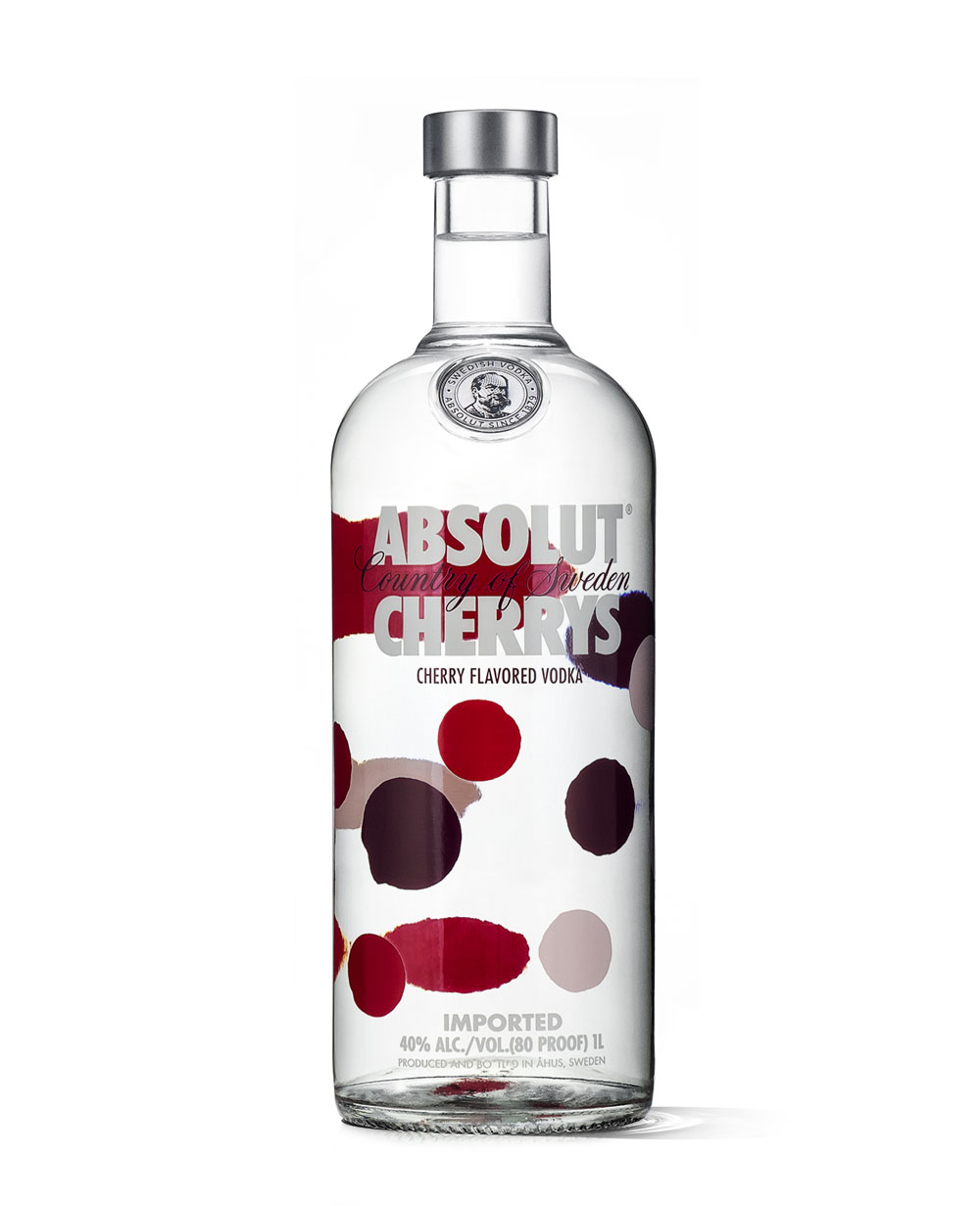
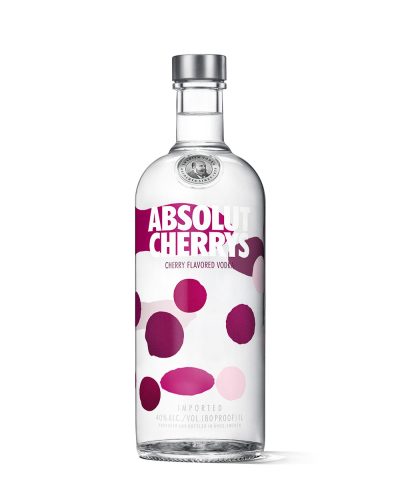
Cherrys 2014
2014 · 3 variants
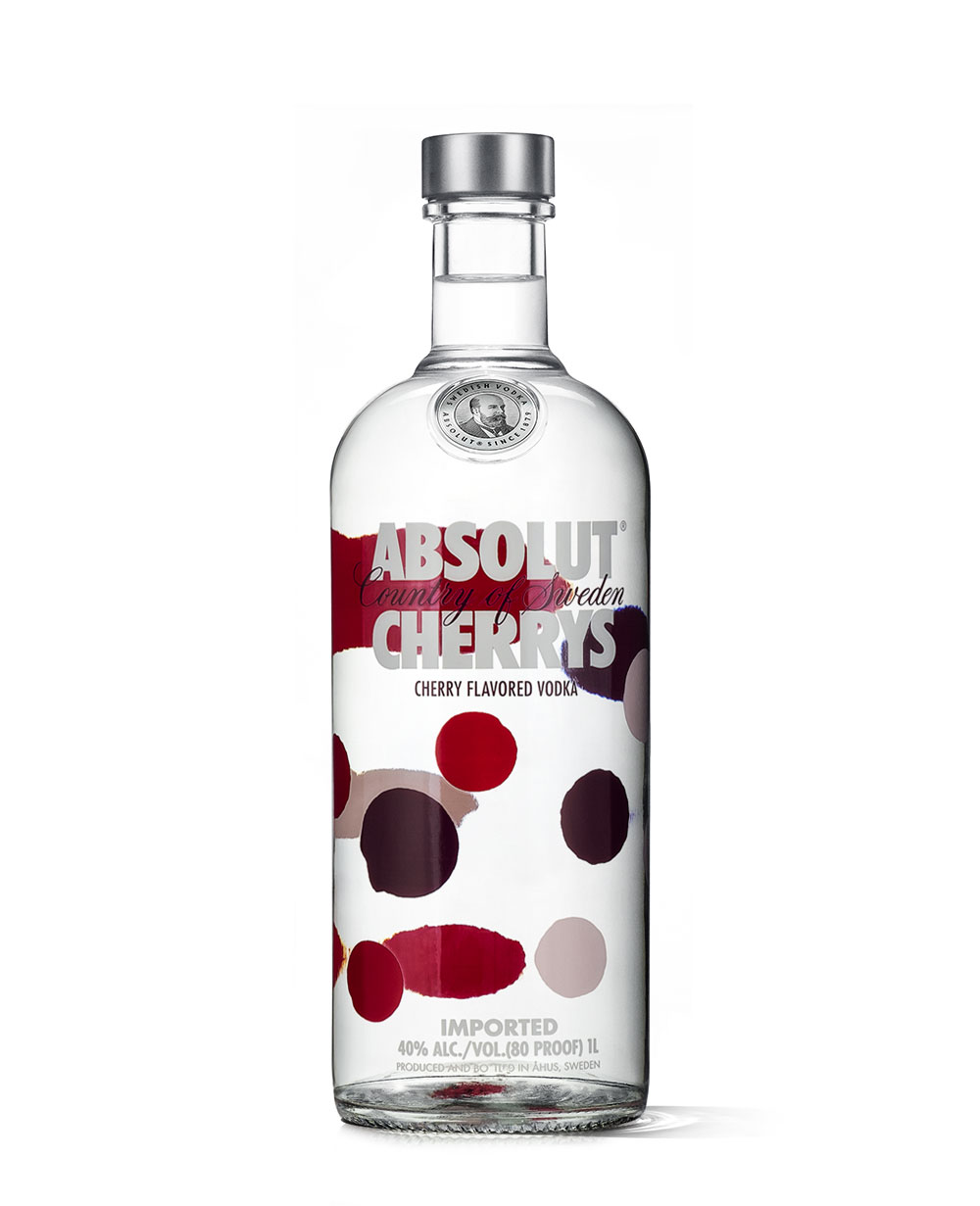
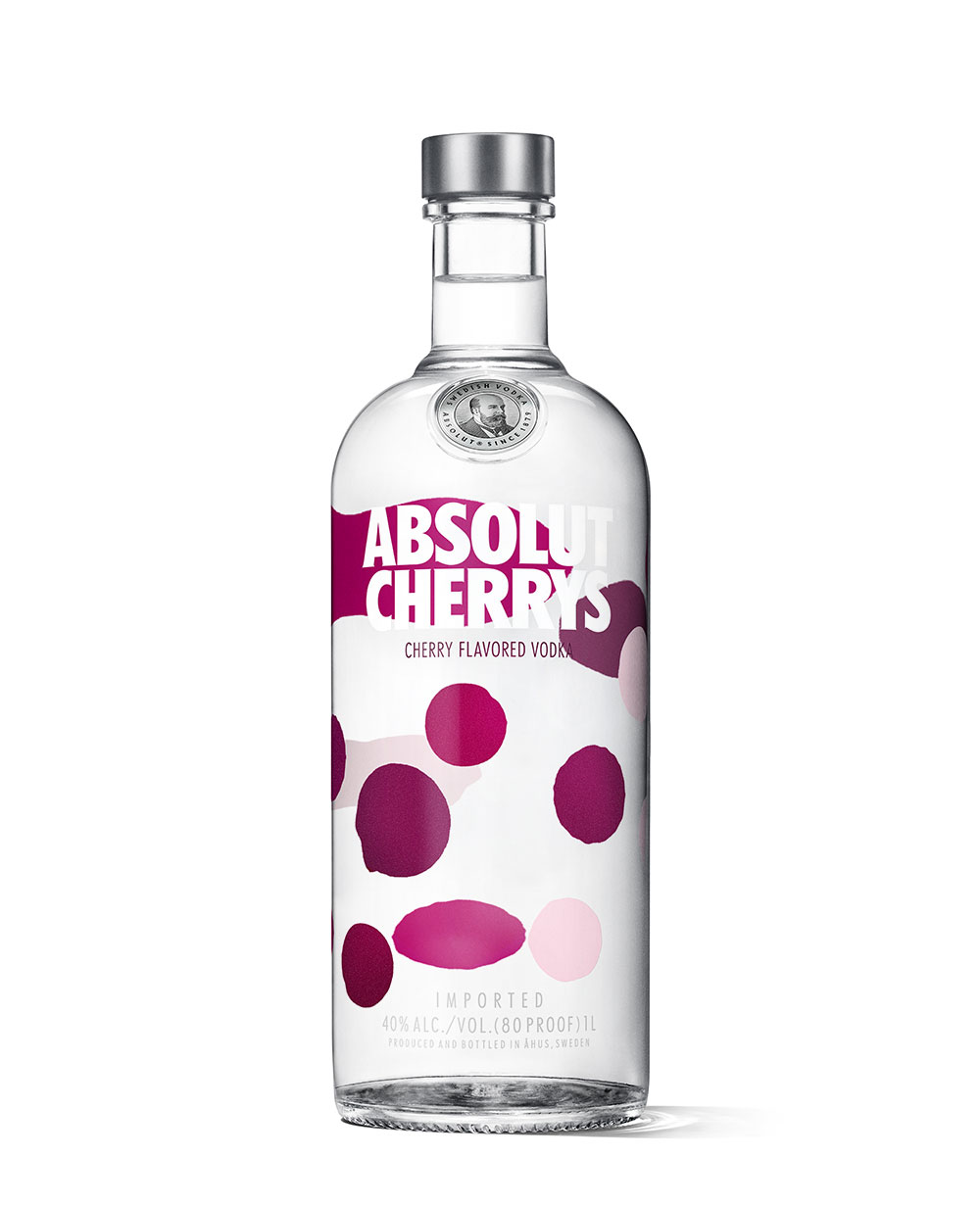
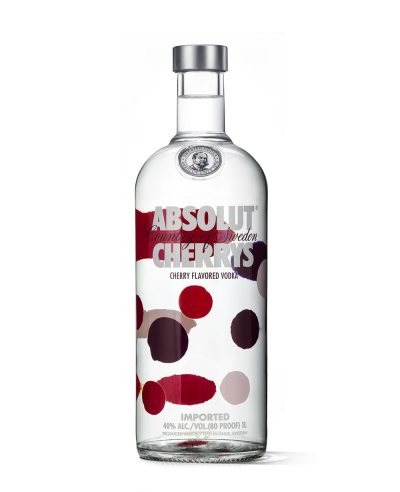
Cherrys took over from Cherrykran in 2014 on the same three notes — sun-ripened cherry, white cranberry, sweet plum — mellow with a long berry finish, and flavoured naturally with no sugar added.
Open the edition › -
Edition 34 of 91
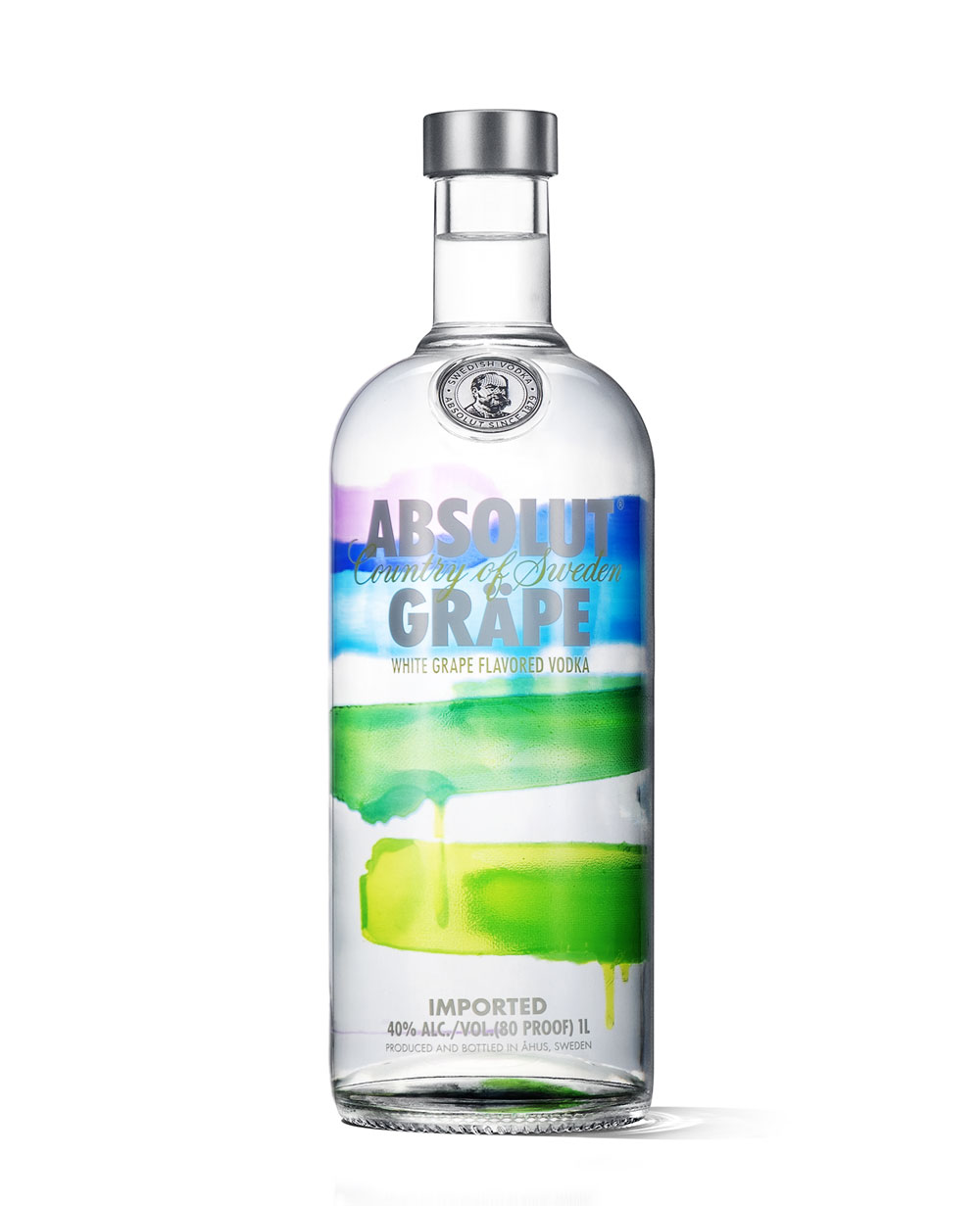
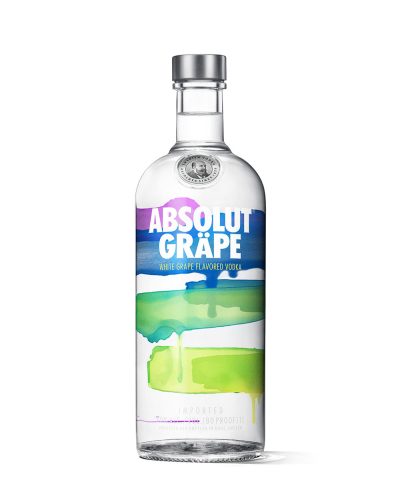
Gräpe 2014
2014 · 2 variants
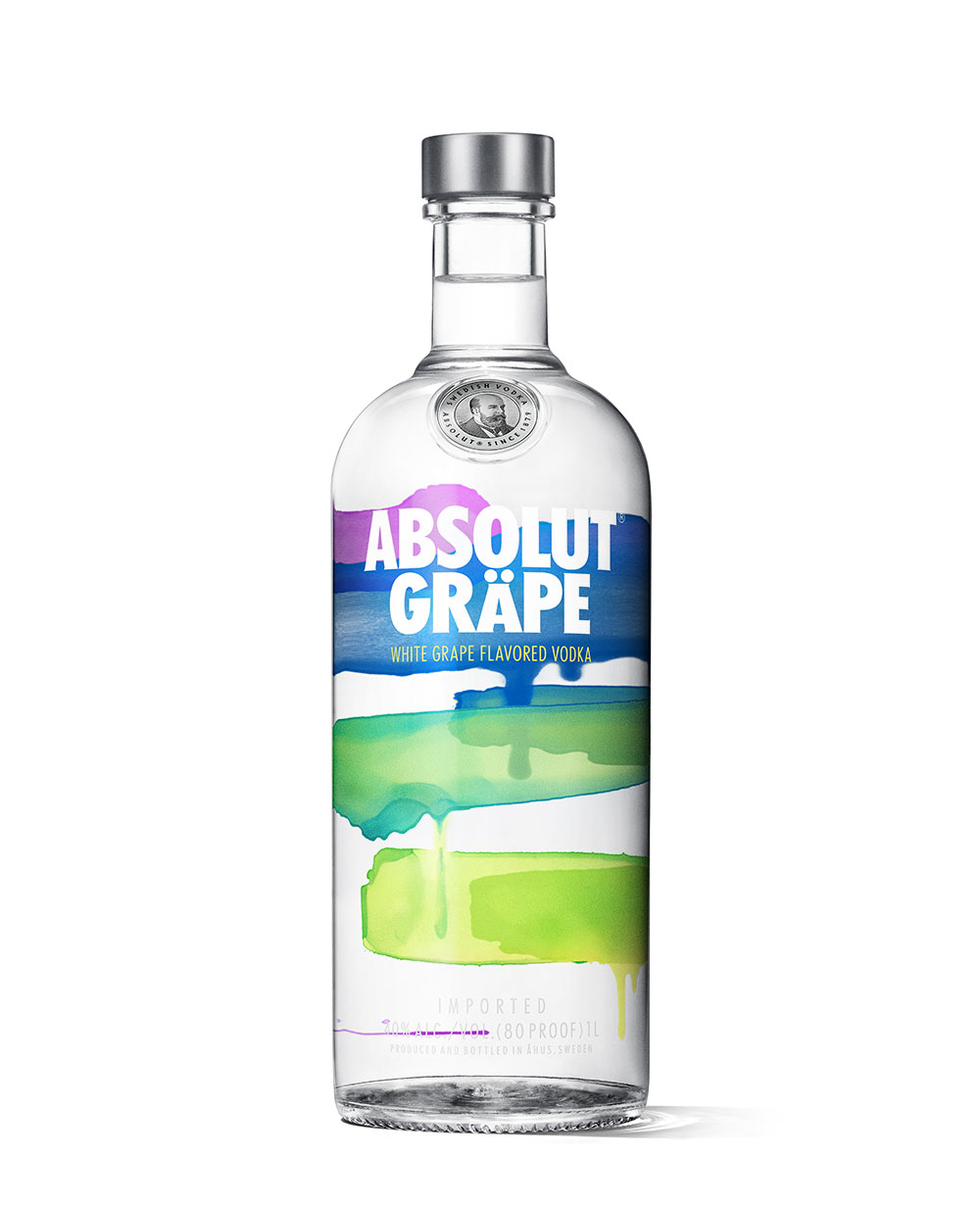
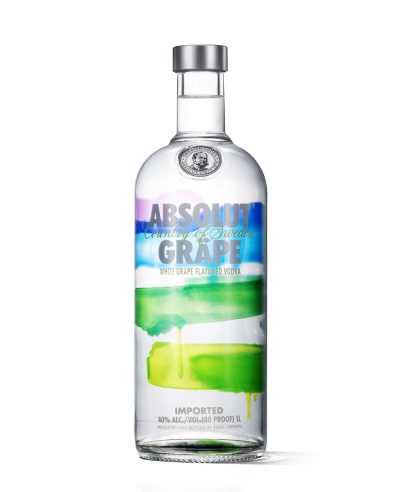
Gräpe replaced Grapevine in 2014 on white grape, dragon fruit and papaya — floral at the front, faintly tropical behind, and easy enough to mix that one added ingredient makes a drink. Natural flavours, no sugar.
Open the edition › -
Edition 35 of 91
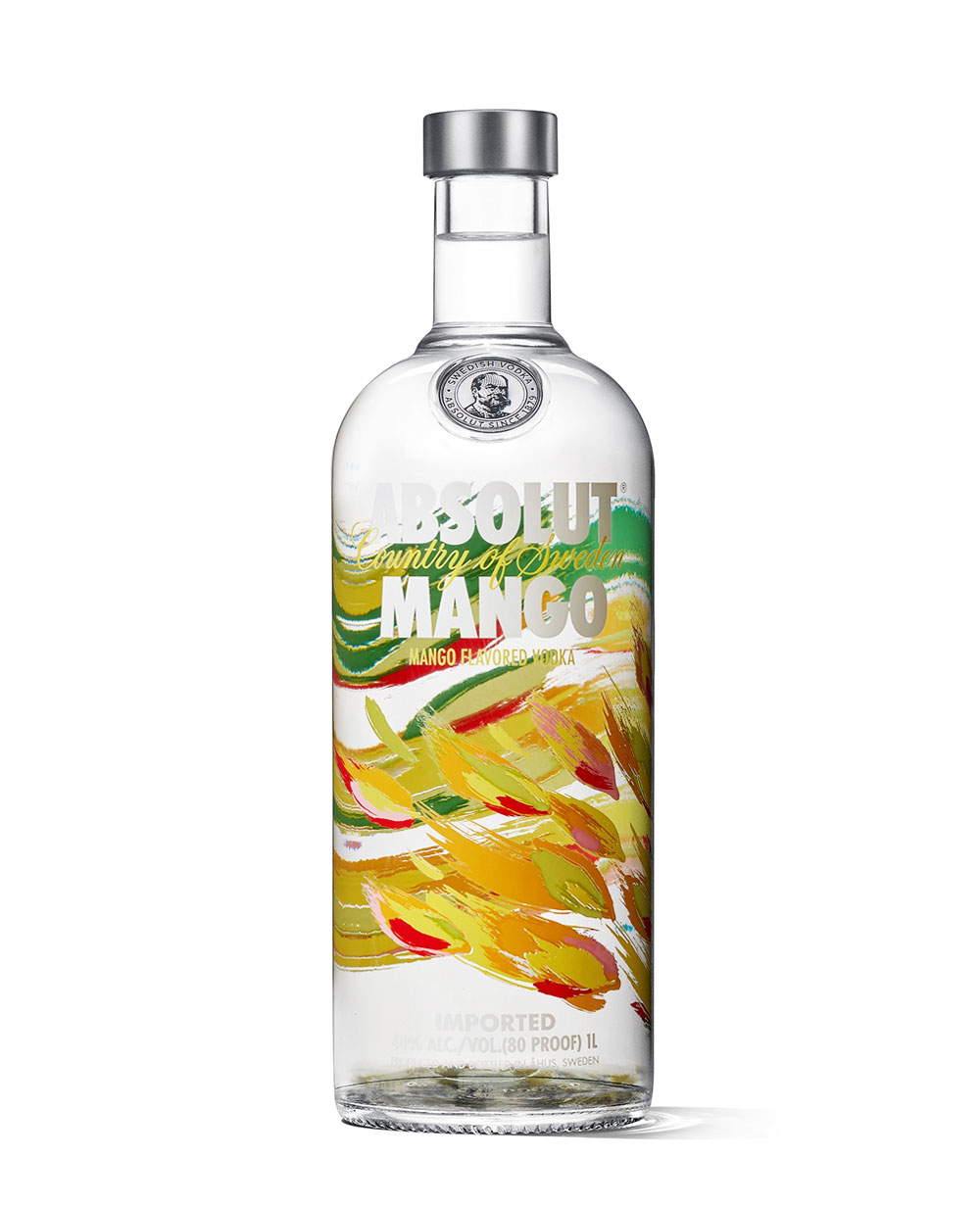
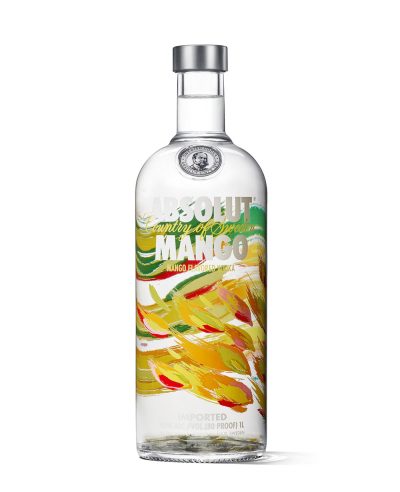
Mango 2014
2014 · 3 variants
The 2014 Mango takes new artwork, the second medallion, and a logo carrying Country of Sweden.
Open the edition › -
Edition 36 of 91
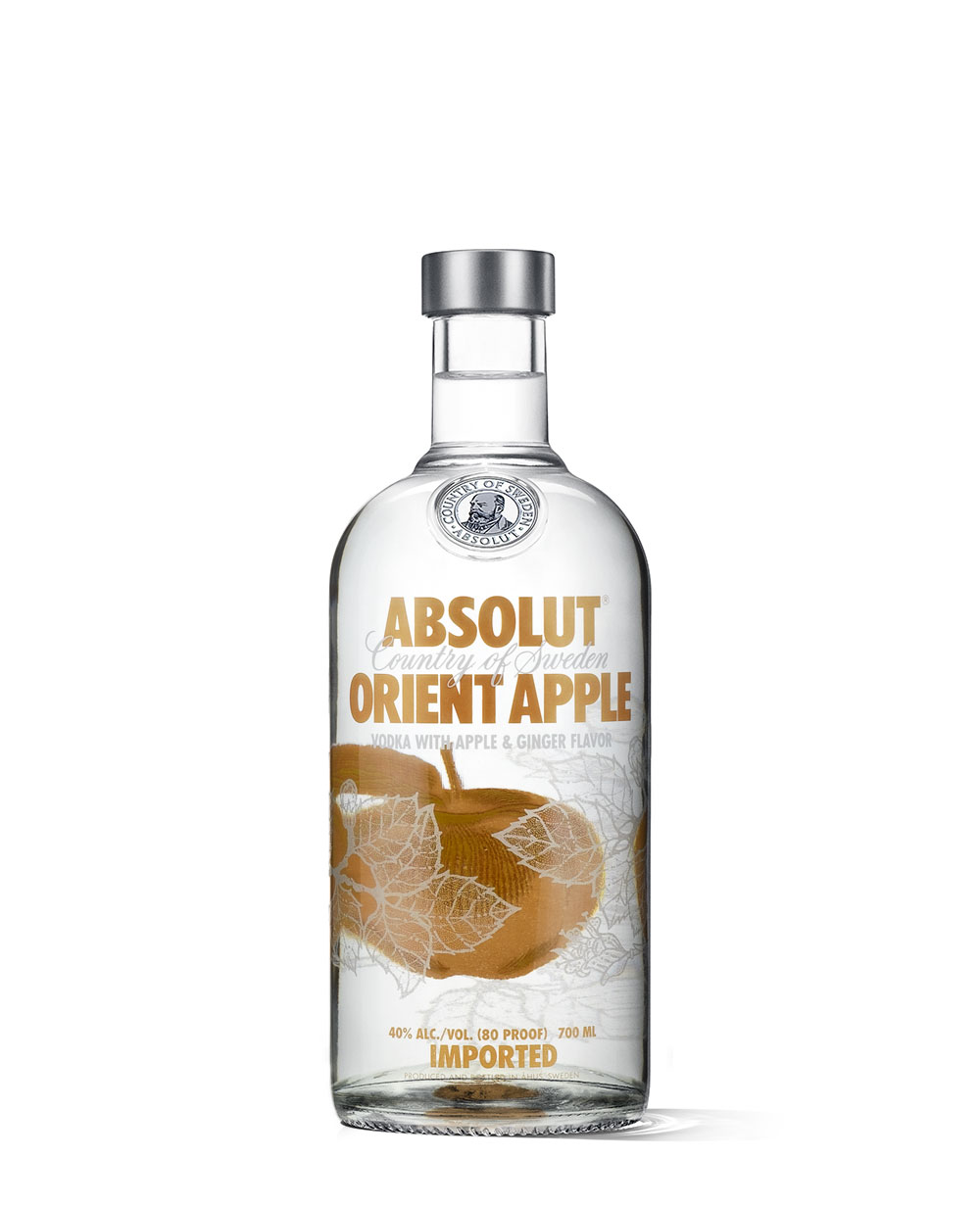
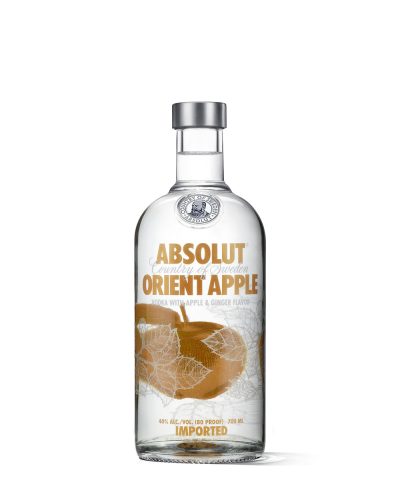
Orient Apple
2014 · 4 variants
Ripe red apple with a note of ginger, launched in 2011 and later replaced by Äpple under a shorter name. Naturally flavoured, no sugar added.
Open the edition › -
Edition 37 of 91
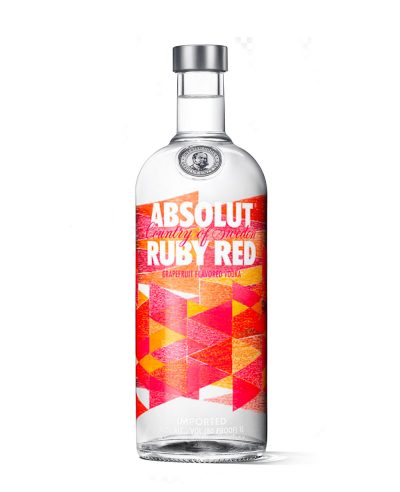
Ruby Red 2014
2014 · 7 variants
The 2014 Ruby Red takes new artwork, the second medallion, and a logo reading Country of Sweden.
Open the edition › -
Edition 38 of 91
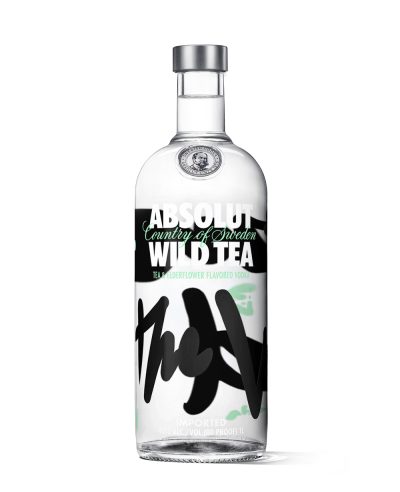
Wild Tea 2014
2014 · 3 variants
The 2014 Wild Tea takes new artwork, the second medallion, and a logo reading Country of Sweden.
Open the edition › -
Edition 39 of 91
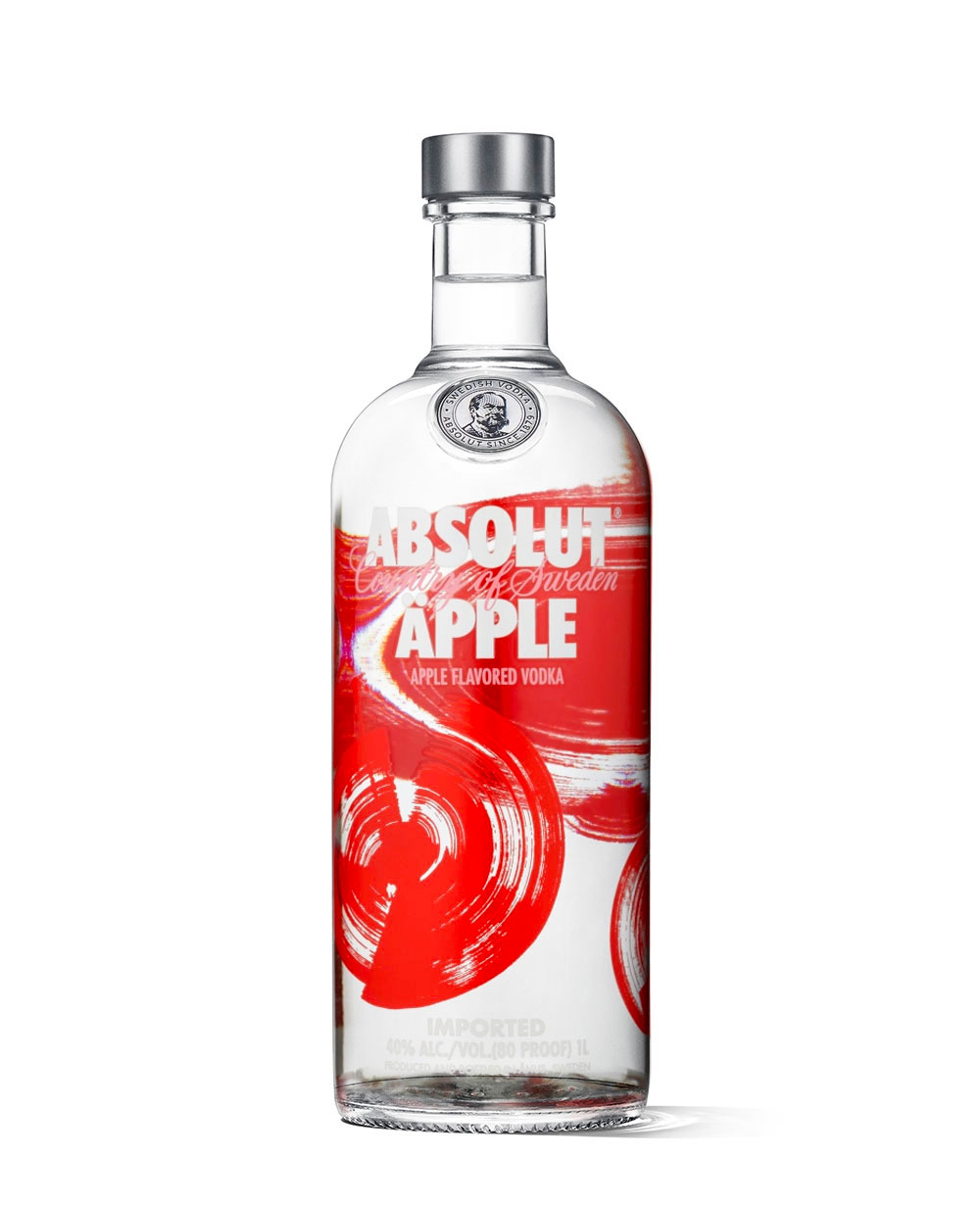
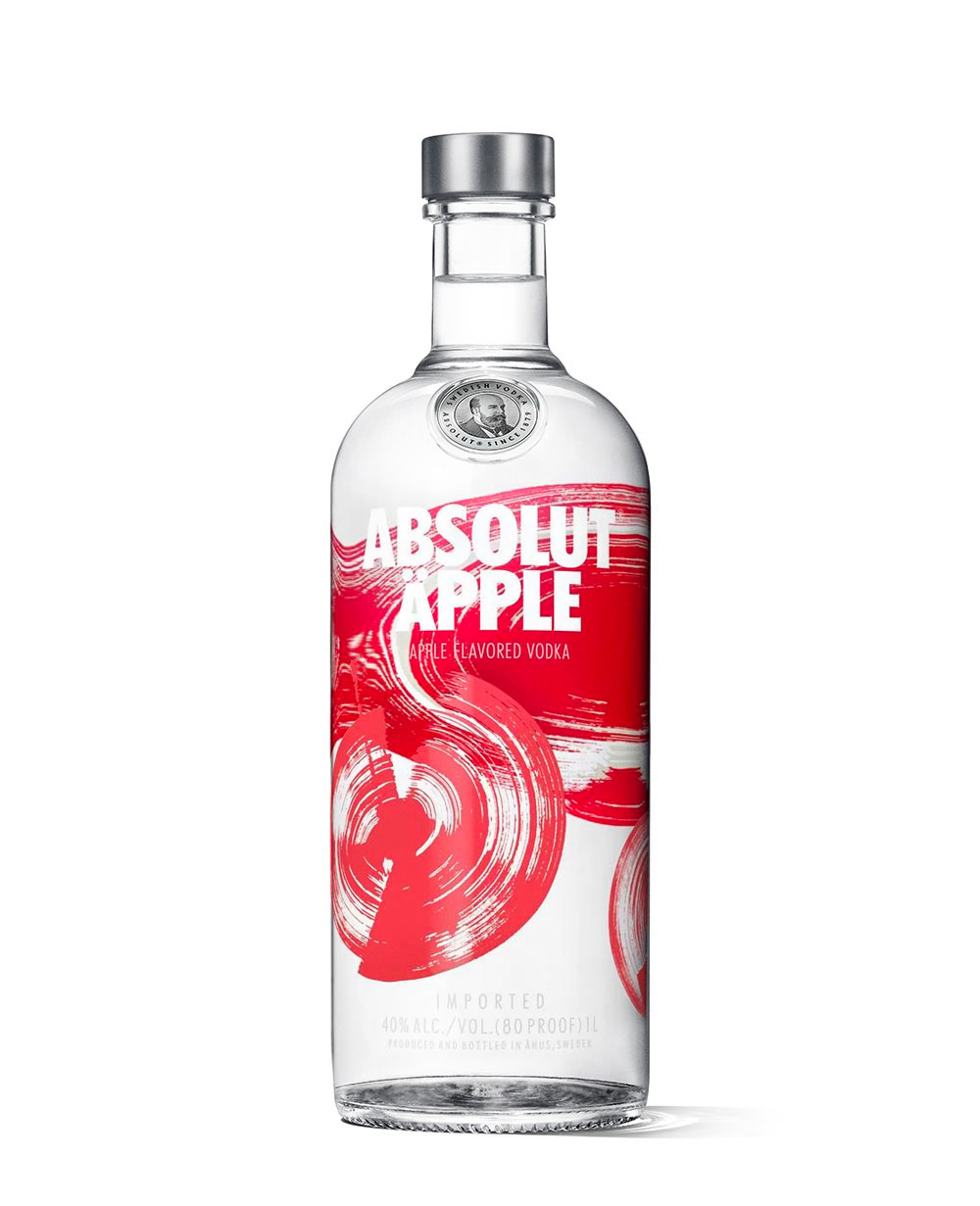
Äpple 2014
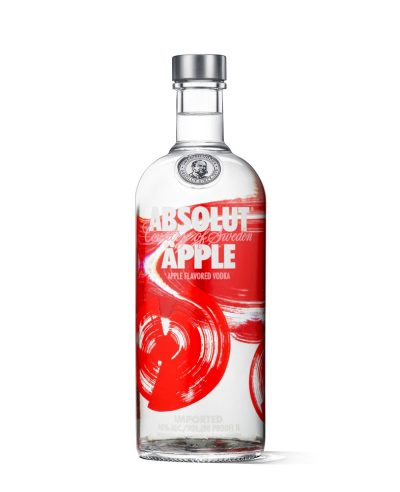
2014 · 3 variants
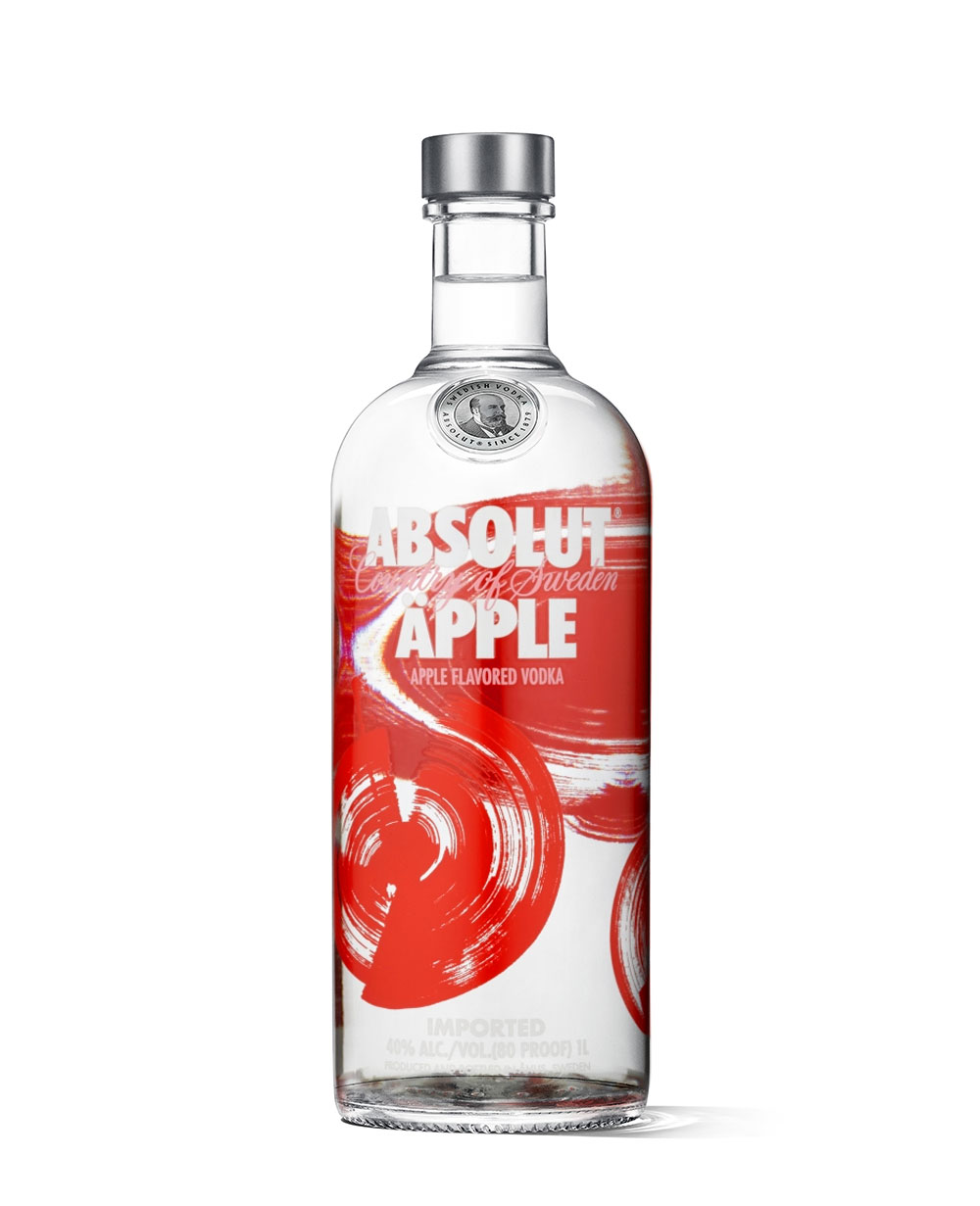
Absolut Äpple came to the core range in 2014 in place of Orient Apple, on ripe red apple lifted by a note of ginger. Like the rest of the family it is flavoured naturally, with no sugar added.
Open the edition › -
Edition 40 of 91
Blue Label 2015
2015 · 15 variants
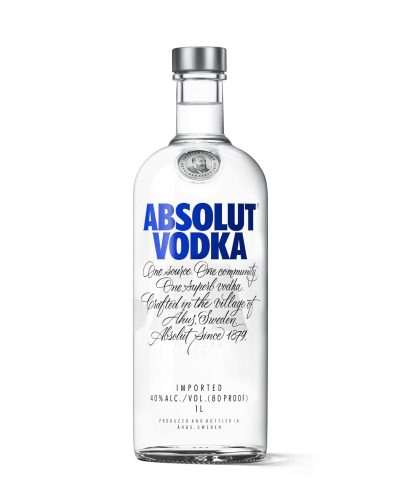
The 2015 redesign, run by the agency Brand Union and the most thorough reworking the bottle had had. The calligrapher Luca Barcellona cut a new script off Swedish lettering, simple and modern; the illustrator and engraver Martin Mörck redrew the medallion, putting Lars Olsson Smith on the glass at the height of his success. The silhouette was tightened at the same time — sharper shoulders, straighter neck and body, flattened base, less glass — and a brand signifier added to the back.
Open the edition › -
Edition 41 of 91
Apeach 2016
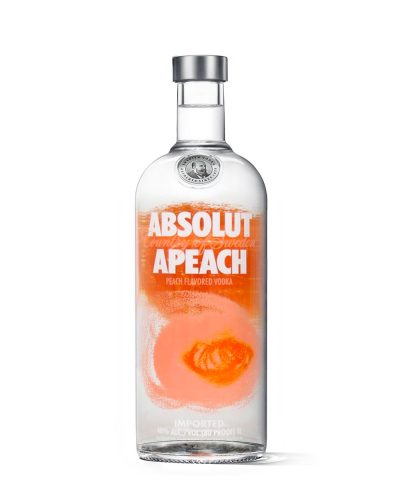
2016 · 7 variants
Absolut Apeach as it stood in 2016: the 2013 artwork unchanged, distinguished only by the third medallion.
Open the edition › -
Edition 42 of 91
Berri Açai 2016
2016 · 3 variants
The same design as the one from 2014, but with the new medallion.
Open the edition › -
Edition 43 of 91
Cherrys 2016
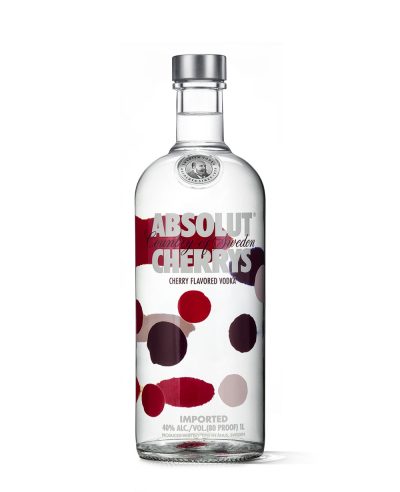
2016 · 3 variants
Cherrys as issued in 2016, keeping the 2014 artwork and told apart by the third medallion.
Open the edition › -
Edition 44 of 91
Citron 2016
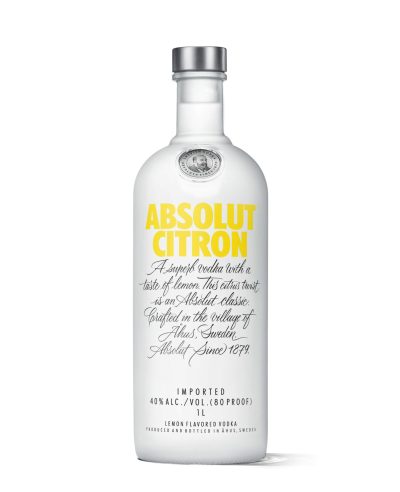
2016 · 8 variants
The third Citron: new text on the bottle, the third medallion, and a label with Country of Sweden removed.
Open the edition › -
Edition 45 of 91
Kurant 2016
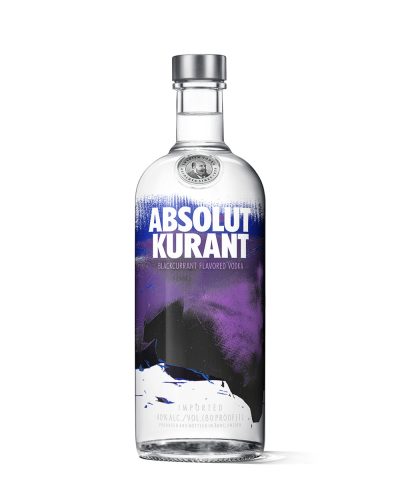
2016 · 5 variants
The third Kurant, with new artwork and Country of Sweden dropped from the logo.
Open the edition › -
Edition 46 of 91
Mandrin 2016
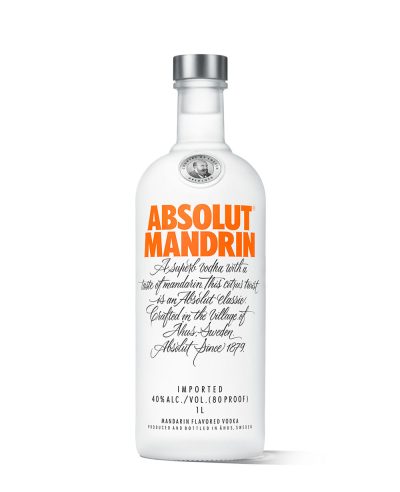
2016 · 7 variants
The third Mandrin: a new medallion and a logo without Country of Sweden.
Open the edition › -
Edition 47 of 91
Mango 2016
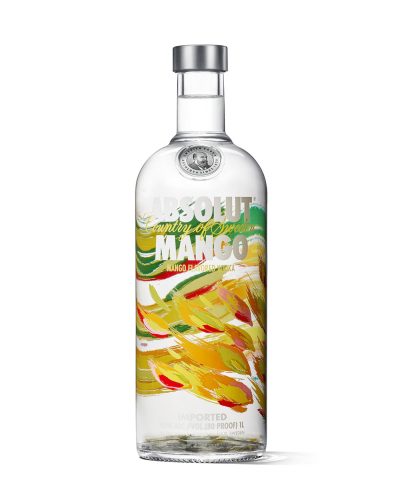
2016 · 3 variants
Mango as issued in 2016 — the 2014 artwork, the third medallion, Country of Sweden still on the logo.
Open the edition › -
Edition 48 of 91
Pears 2016
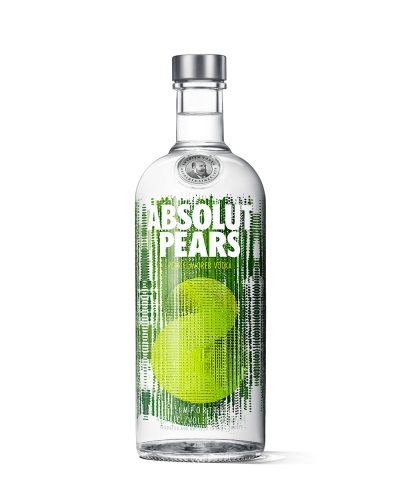
2016 · 6 variants
Pears as issued in 2016: the artwork slightly redrawn from 2013, the third medallion, and Country of Sweden gone from the logo.
Open the edition › -
Edition 50 of 91
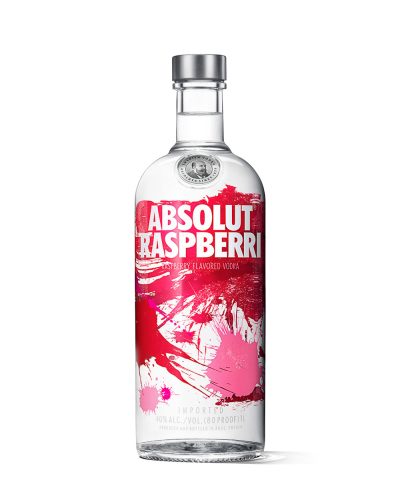
Raspberri 2016
2016 · 7 variants
Raspberri as issued in 2016, with the third medallion and Country of Sweden dropped from the logo.
Open the edition › -
Edition 51 of 91
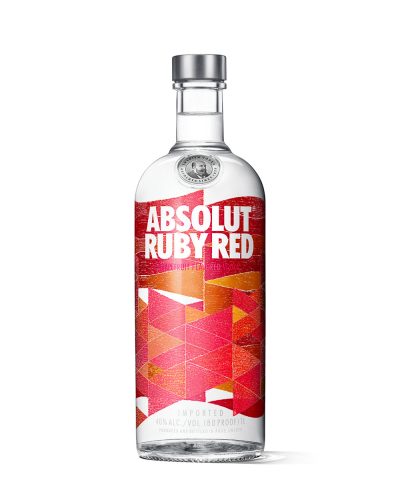
Ruby Red 2016
2016 · 7 variants
Ruby Red as issued in 2016: the 2014 artwork, the third medallion, Country of Sweden gone from the logo.
Open the edition › -
Edition 52 of 91
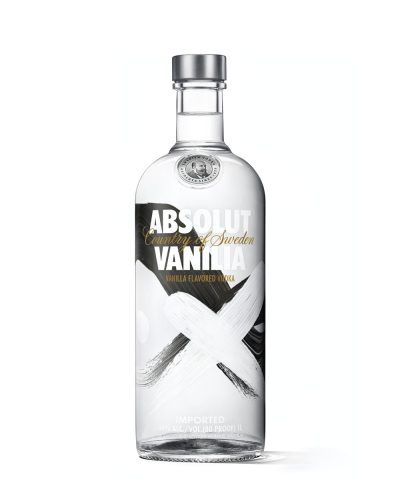
Vanilia 2016
2016 · 3 variants
Vanilia as issued in 2016 — the 2013 artwork with a new medallion.
Open the edition › -
Edition 53 of 91
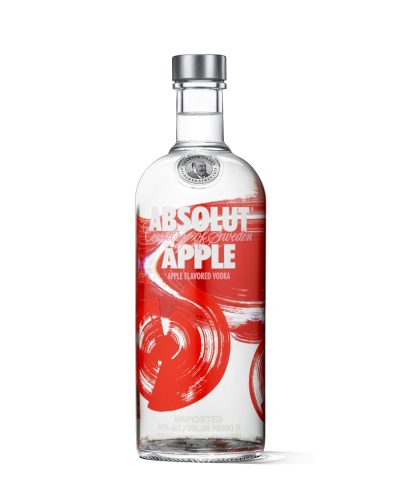
Äpple 2016
2016 · 3 variants
The 2016 Äpple keeps the artwork introduced in 2014 and is told apart by its medallion, the third of the series.
Open the edition › -
Edition 54 of 91
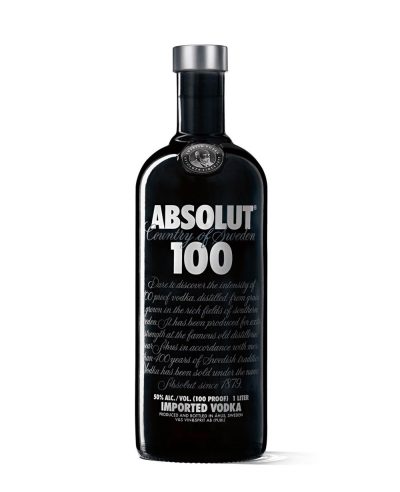
100 2017
2017 · 3 variants
A 2017 restyling of Absolut 100. The black bottle keeps the graphics introduced with the line, but is fitted with a new medallion — the detail collectors use to tell this run apart from the 2007 original.
Open the edition › -
Edition 55 of 91
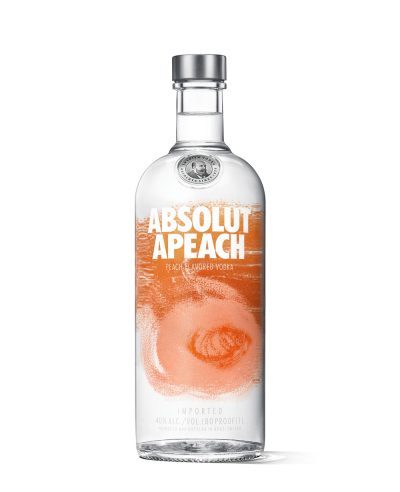
Apeach 2017
2017 · 7 variants
The 2017 Apeach, identifiable by what is missing — Country of Sweden has been dropped from the logo.
Open the edition › -
Edition 56 of 91
Berri Açai 2017
2017 · 5 variants
Berri Açaí as issued in 2017: the 2014 artwork, the third medallion, and Country of Sweden gone from the logo.
Open the edition › -
Edition 57 of 91
Cherrys 2017
2017 · 3 variants
The 2017 Cherrys carries the artwork of 2014 and the third medallion, with Country of Sweden dropped from the logo.
Open the edition › -
Edition 58 of 91
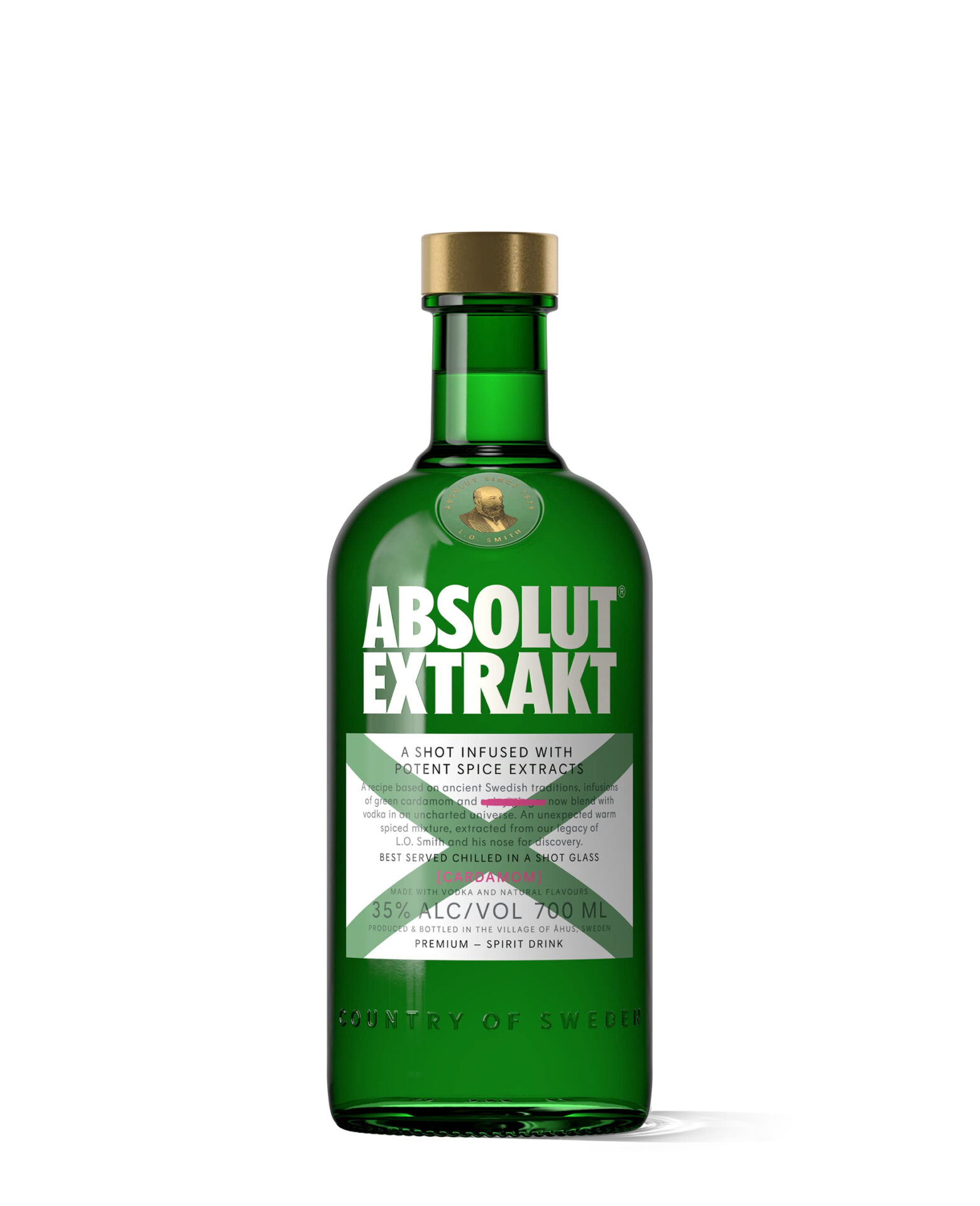
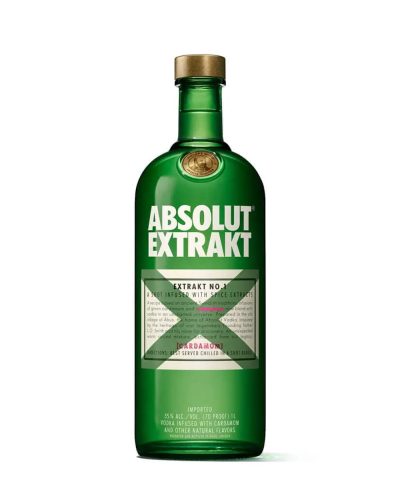
Extrakt
2017 · 5 variants
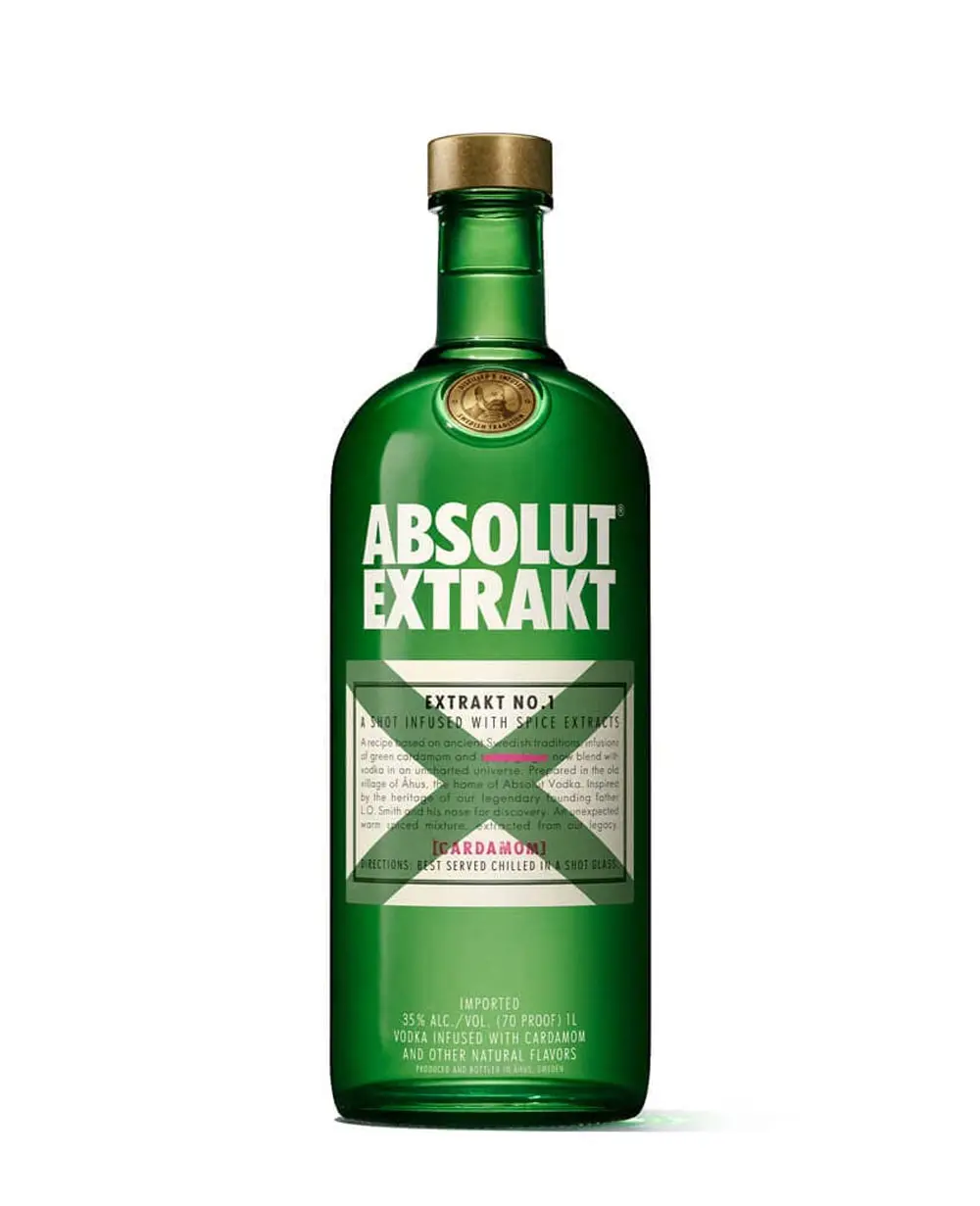
A shot rather than a mixer: 35% ABV, infused with spice extracts and meant to be drunk cold. Launched in 2017 on green cardamom, in a green bottle, and pitched as a modern reading of the Swedish snaps.
Open the edition › -
Edition 59 of 91
Gräpe 2017
2017 · 2 variants
Gräpe as issued in 2017: the 2014 artwork, the third medallion, and Country of Sweden gone from the logo.
Open the edition › -
Edition 60 of 91
Lime
2017 · 6 variants
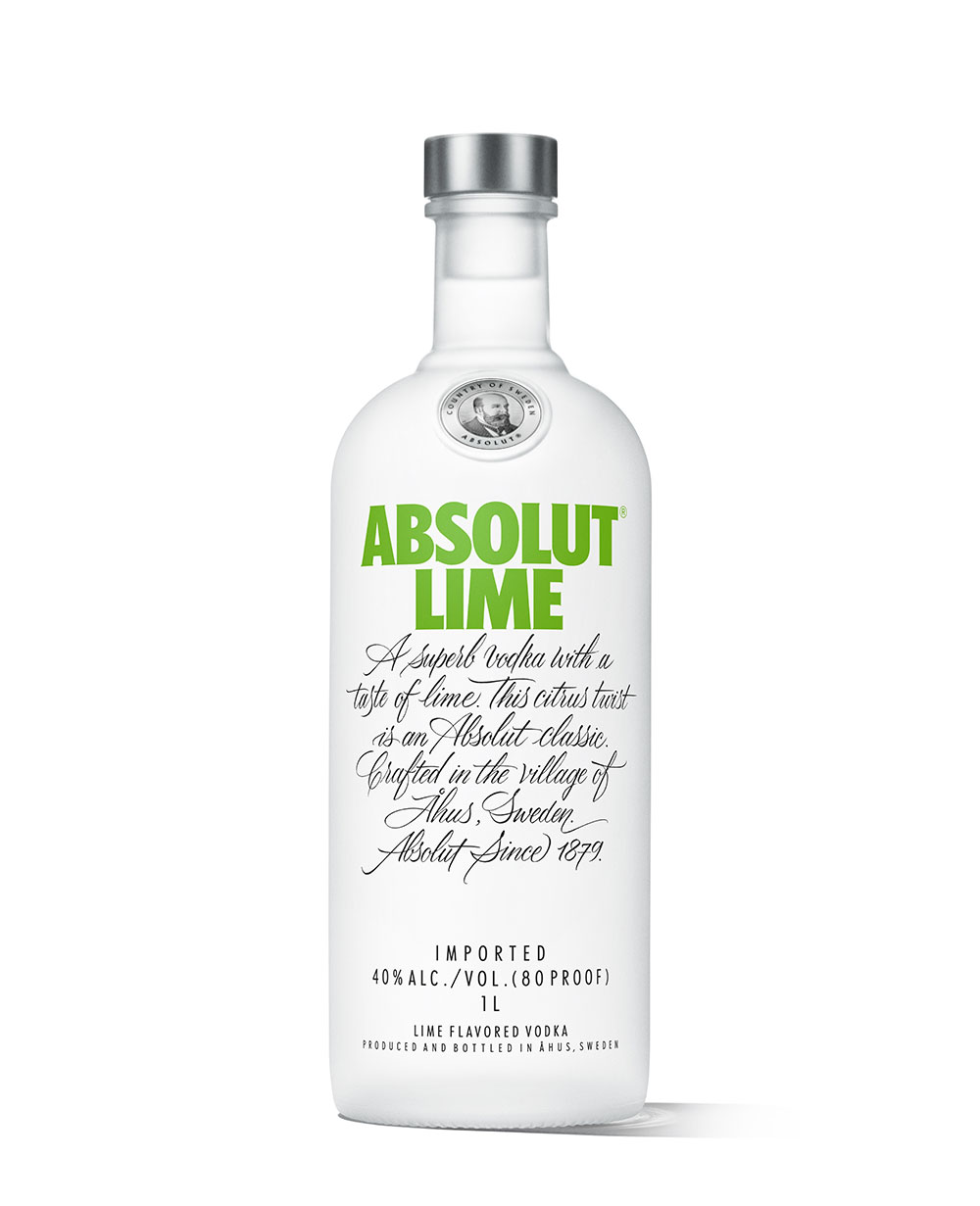
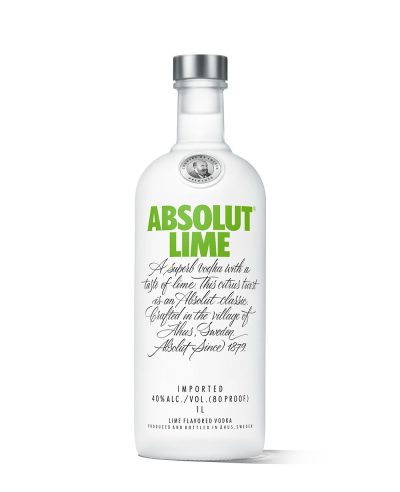
Nearly thirty years after Citron, Absolut finally settled on a lime. It took some doing — the brand's sensory director called lime the hardest complexity he had had to resolve in a thirty-year career — and the result is fresh and full-bodied on freshly pressed fruit, naturally flavoured with no sugar added. It was the first new flavour in four years.
Open the edition › -
Edition 61 of 91
Mango 2017
2017 · 3 variants
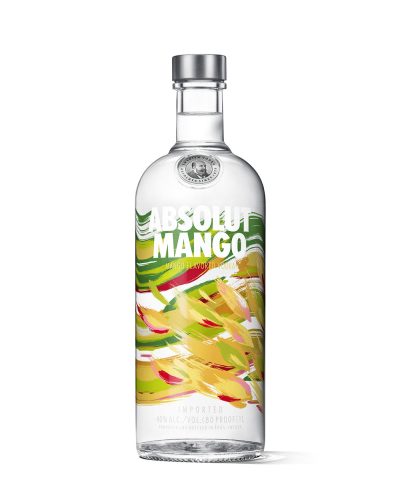
The 2017 Mango keeps the artwork of 2014 and drops Country of Sweden from the logo.
Open the edition › -
Edition 62 of 91
Vanilia 2017
2017 · 4 variants
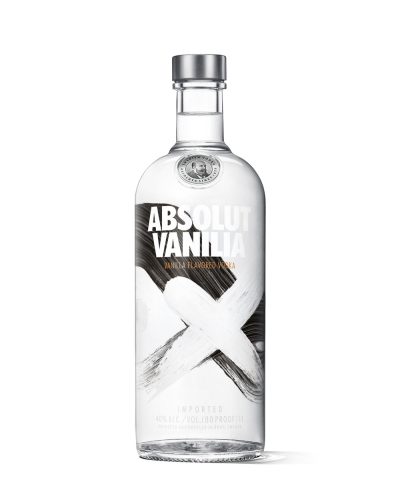
The 2017 Vanilia keeps the 2016 artwork and drops Country of Sweden from the logo.
Open the edition › -
Edition 63 of 91
Äpple 2017
2017 · 3 variants
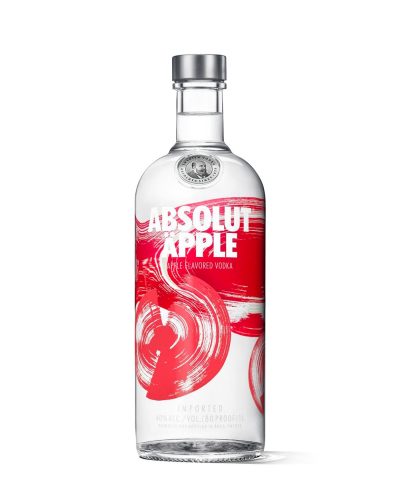
Äpple as issued in 2017: the 2014 artwork, the third medallion, and a logo from which Country of Sweden has disappeared.
Open the edition › -
Edition 64 of 91
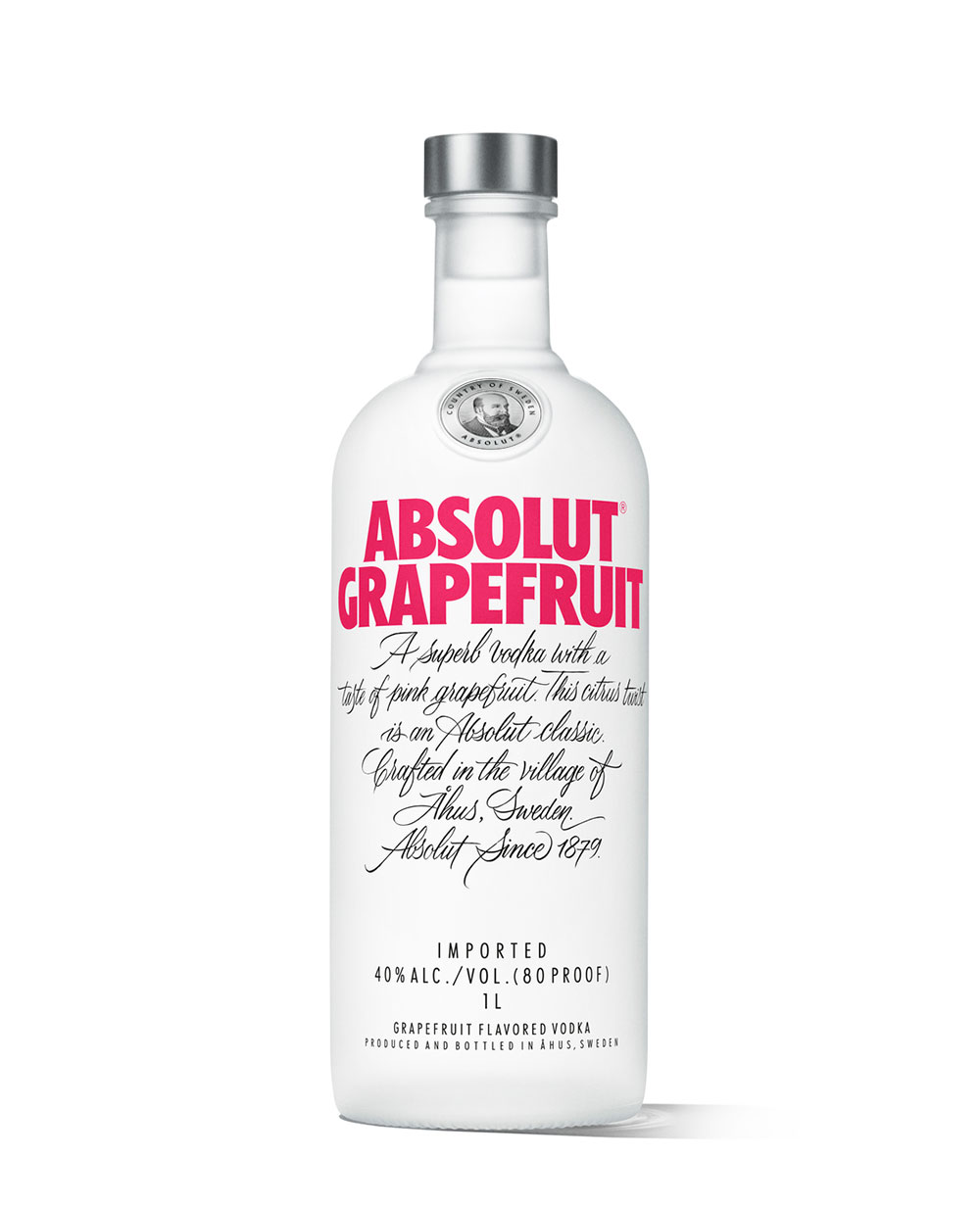
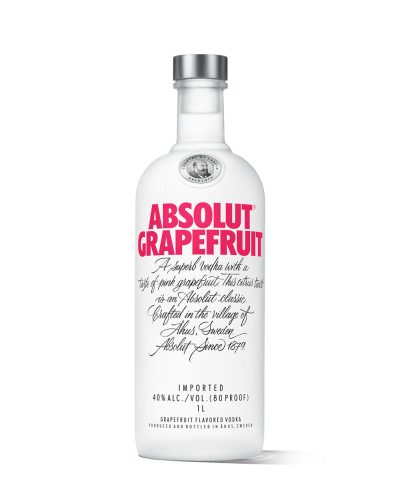
Grapefruit
2018 · 6 variants
A single-fruit flavour launched in 2018, on grapefruit alone.
Open the edition › -
Edition 65 of 91
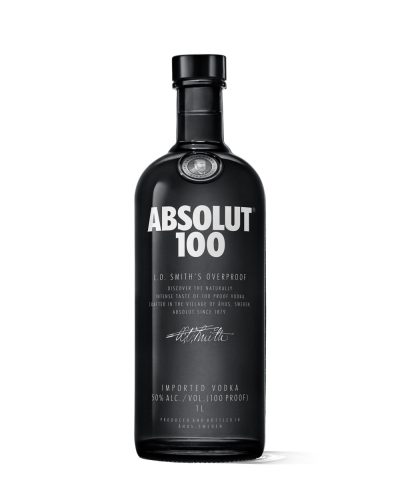
100 2019
2019 · 2 variants
The 2019 restyling of Absolut 100 breaks with the earlier bottles: the design is redrawn and the glass is blacked out from shoulder to base, making it the darkest bottle the line has produced.
Open the edition › -
Edition 66 of 91
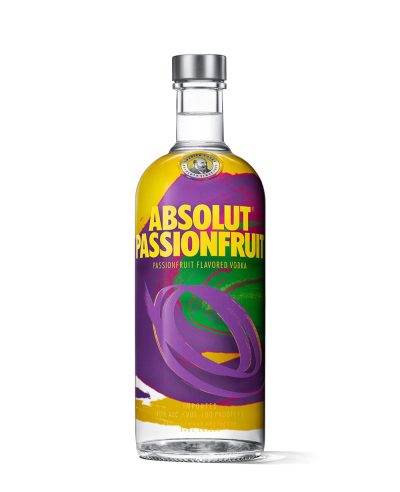
Passionfruit
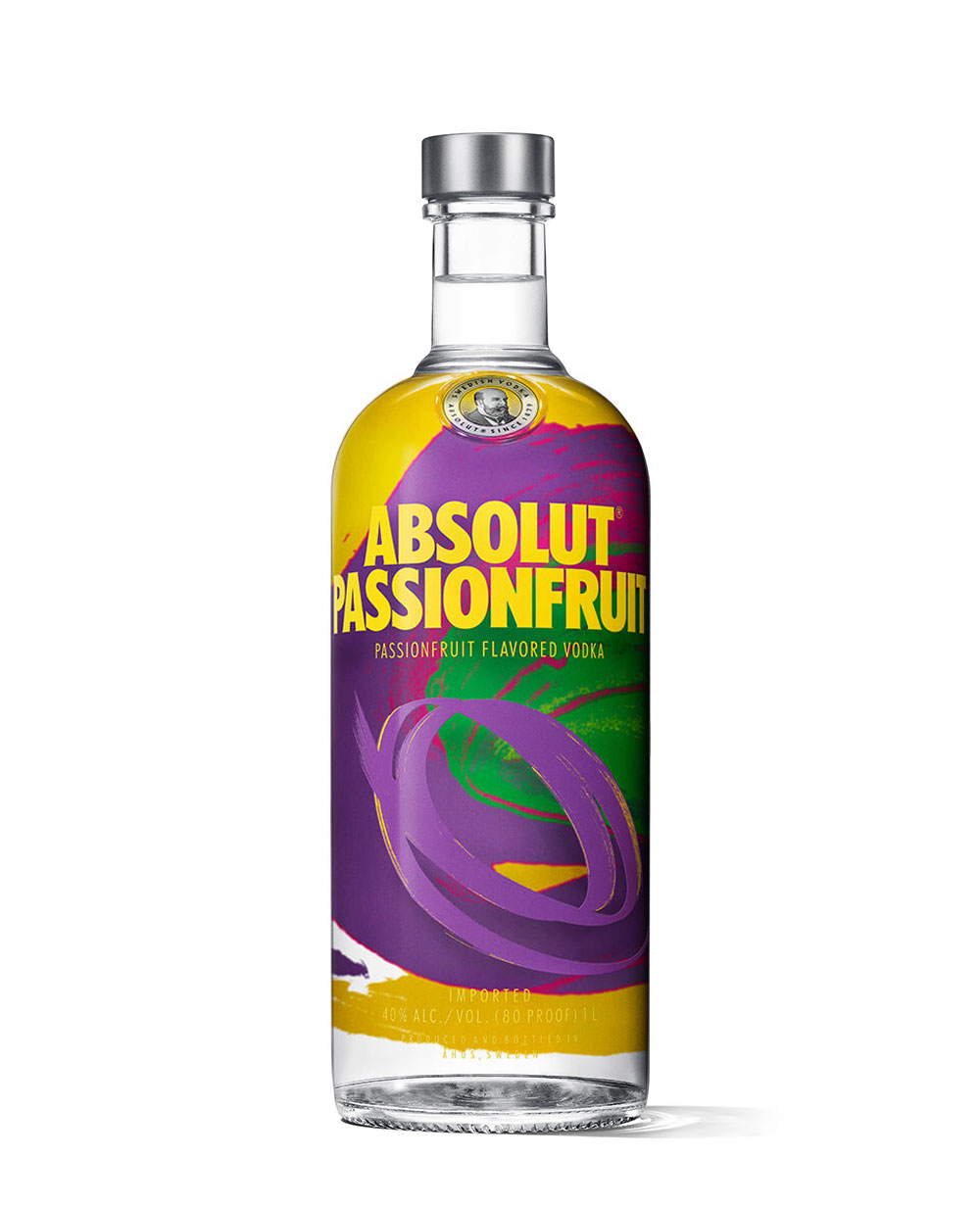
2020 · 3 variants
A single-fruit flavour on passion fruit.
Open the edition › -
Edition 67 of 91
Blue Label 2021
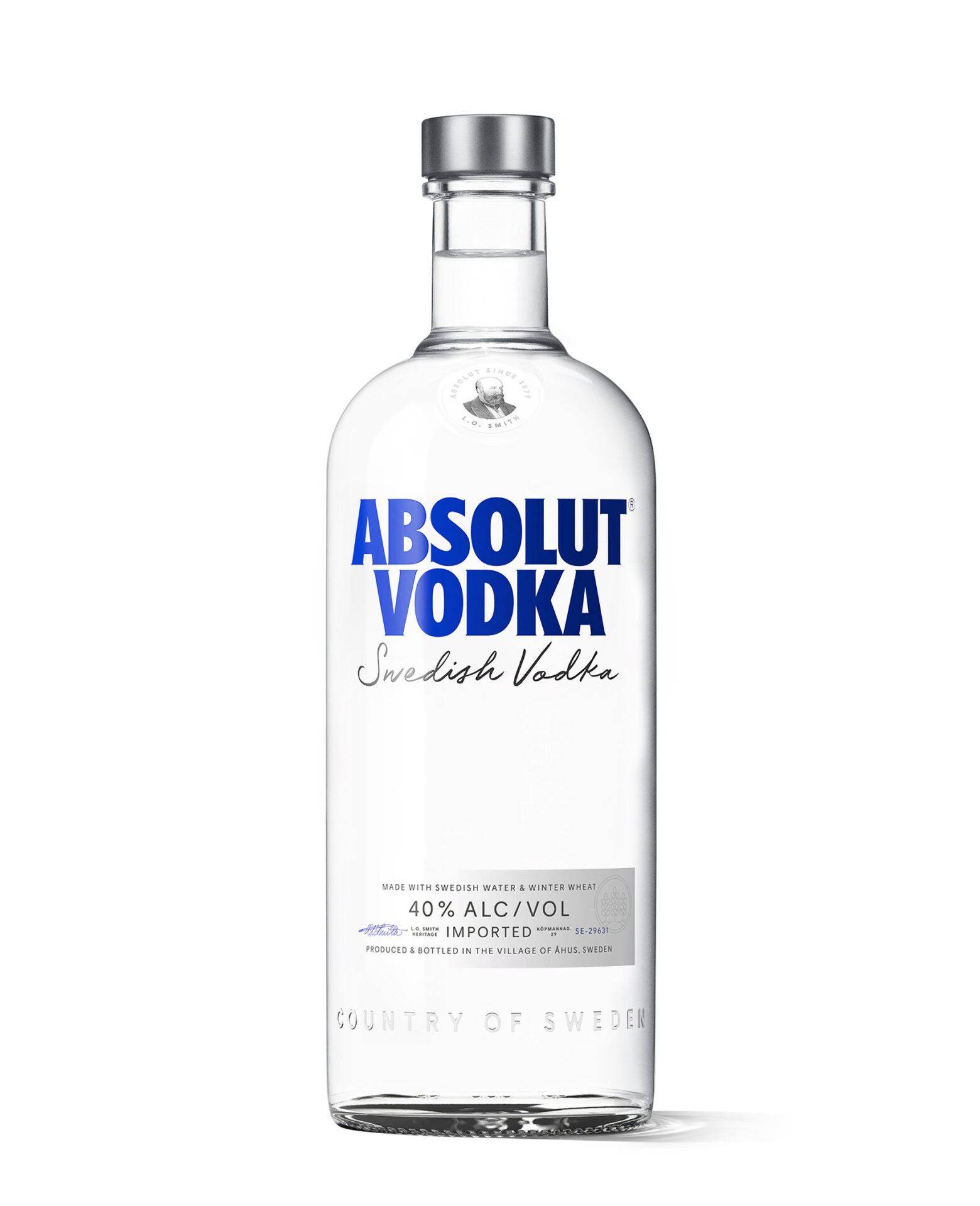
2021 · 19 variants
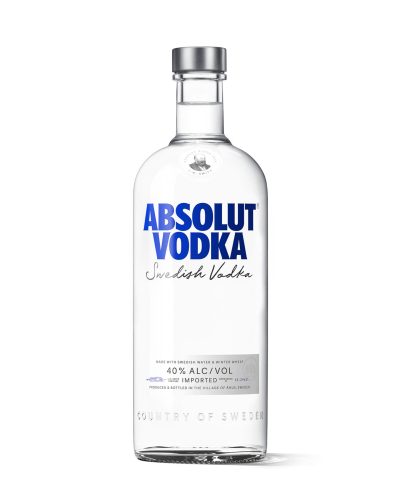
A pared-back restyling of the standard bottle. After more than fifty years the printed text gives way to a handwritten “Swedish vodka”; Country of Sweden moves into the glass as an engraving, a paper label carries the product information and L.O. Smith's signature, and the back of the bottle takes an illustration of the village of Åhus.
Open the edition › -
Edition 68 of 91
Citron 2021
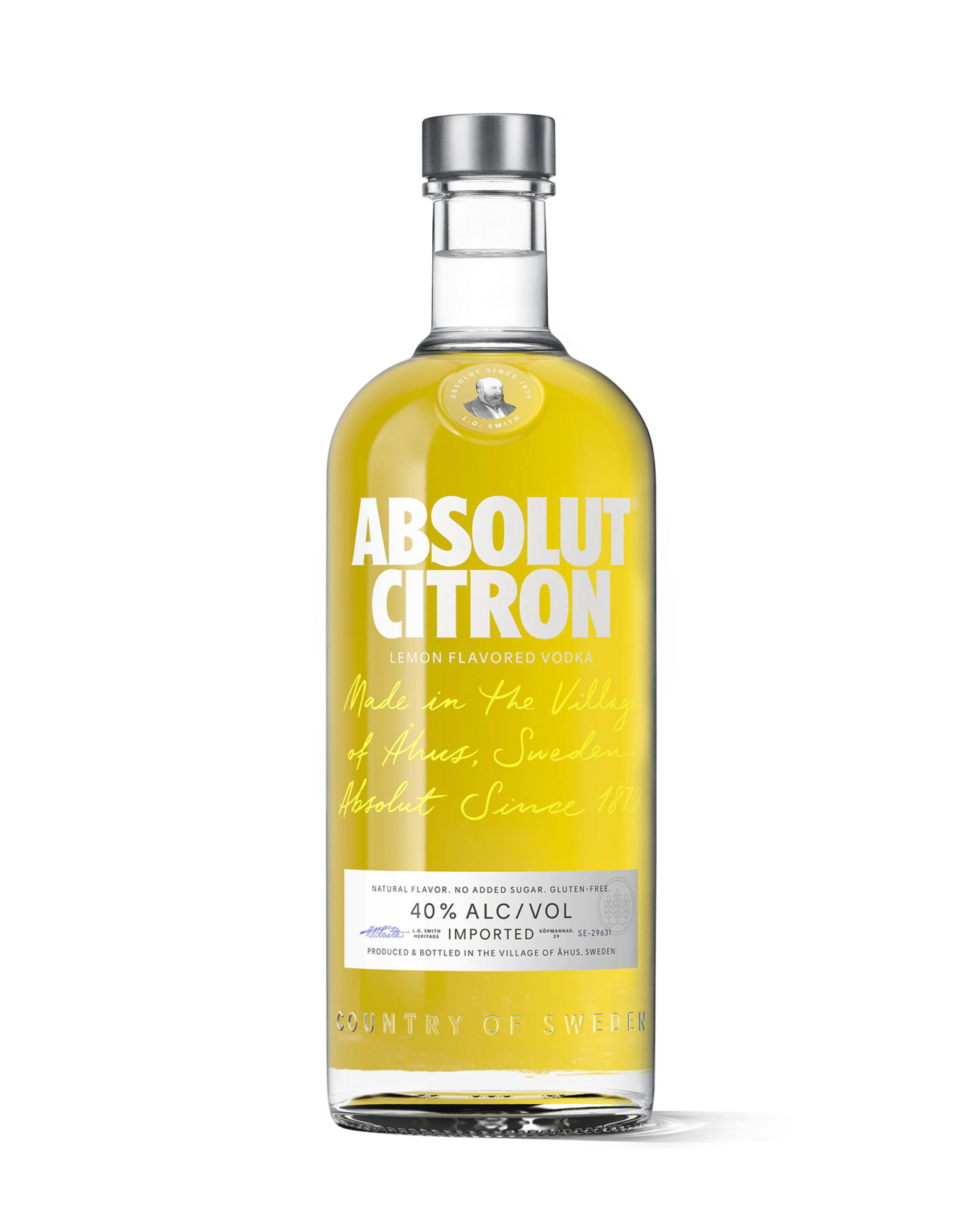
2021 · 7 variants
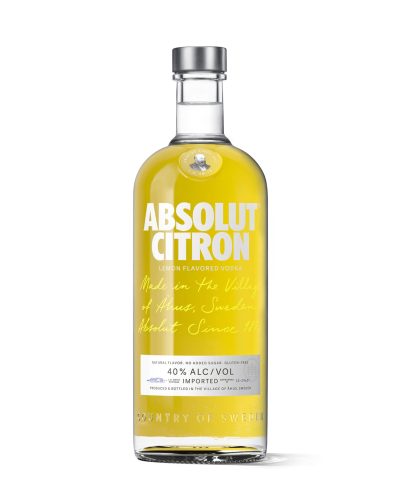
Citron on the 2021 bottle — the redesign that replaced printed text with handwriting and engraved Country of Sweden into the glass. The flavour itself has been in the core range since 1988.
Open the edition › -
Edition 69 of 91
Grapefruit 2021
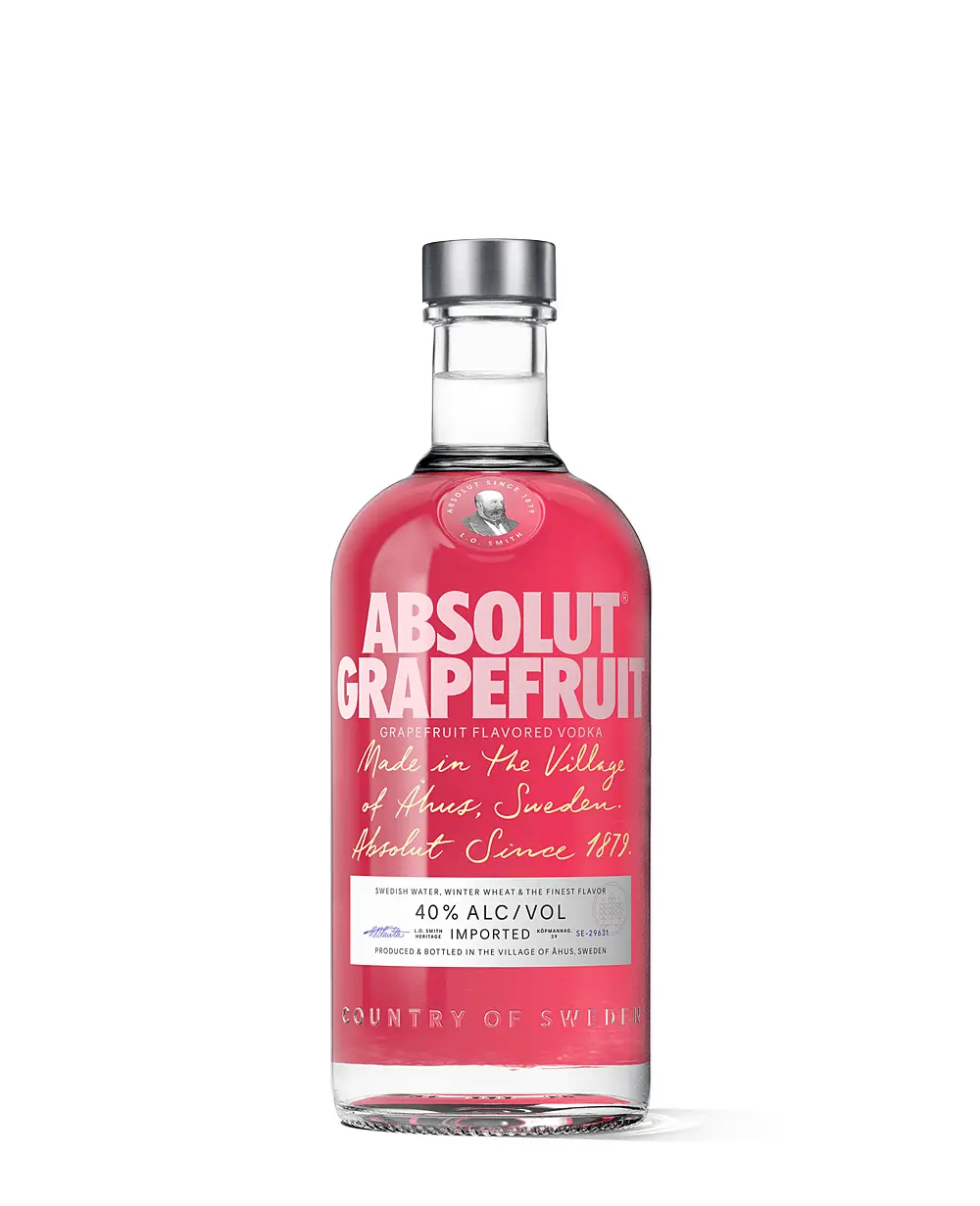
2021 · 3 variants
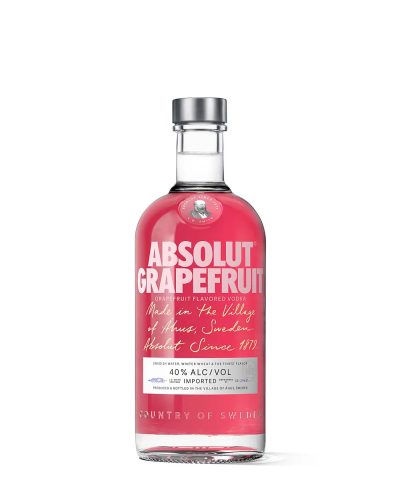
Grapefruit as issued on the 2021 bottle, with handwritten wording and Country of Sweden engraved.
Open the edition › -
Edition 70 of 91
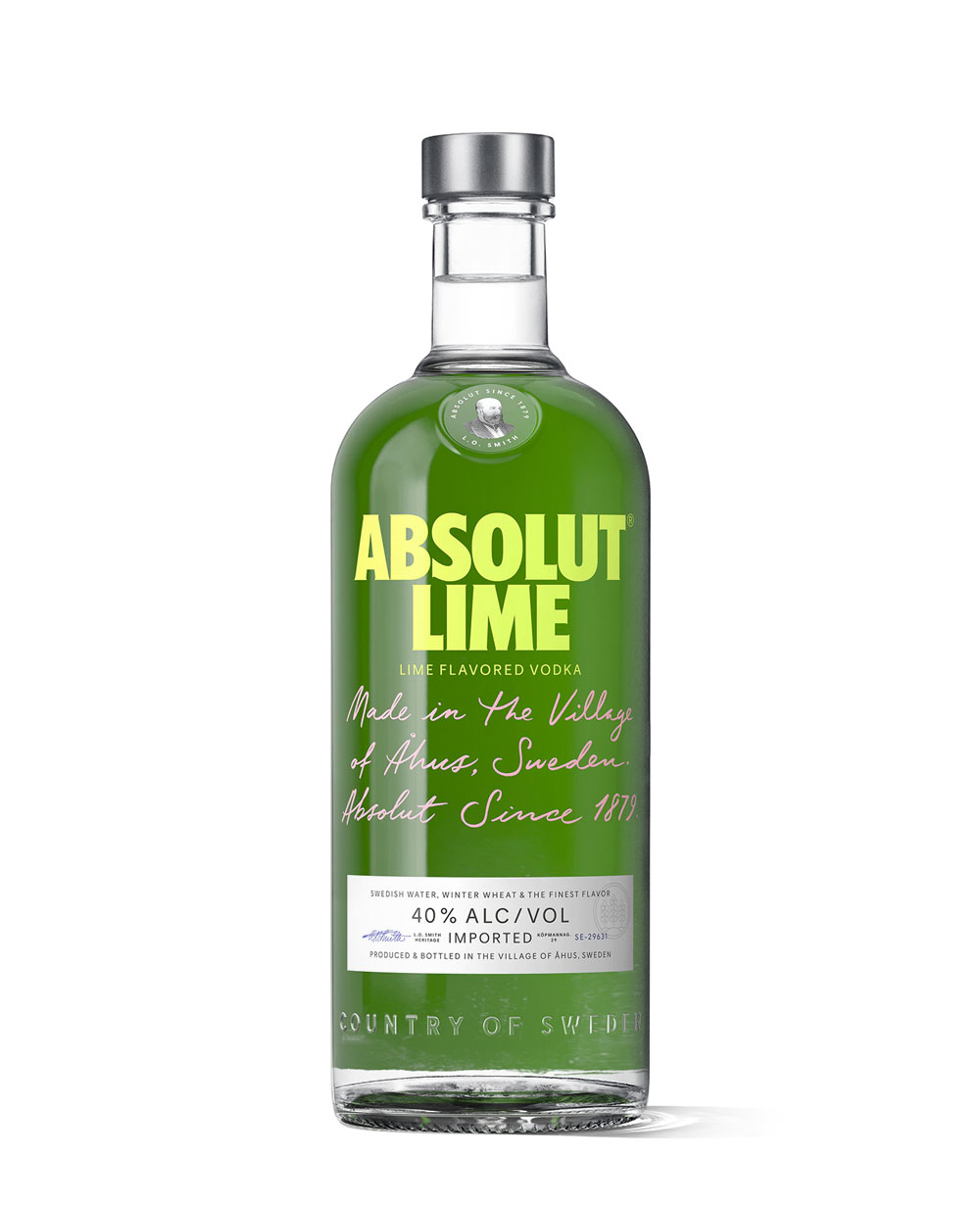
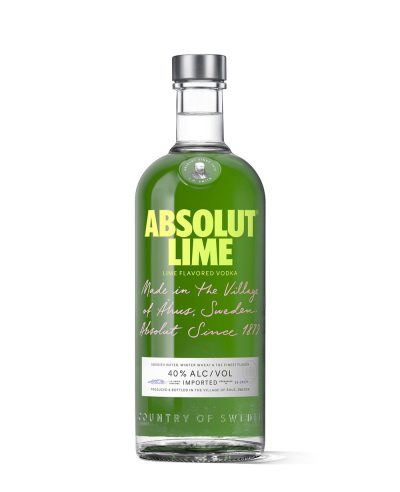
Lime 2021
2021 · 4 variants
Lime on the 2021 bottle, which replaced the printed text with handwriting and moved Country of Sweden into the glass.
Open the edition › -
Edition 71 of 91
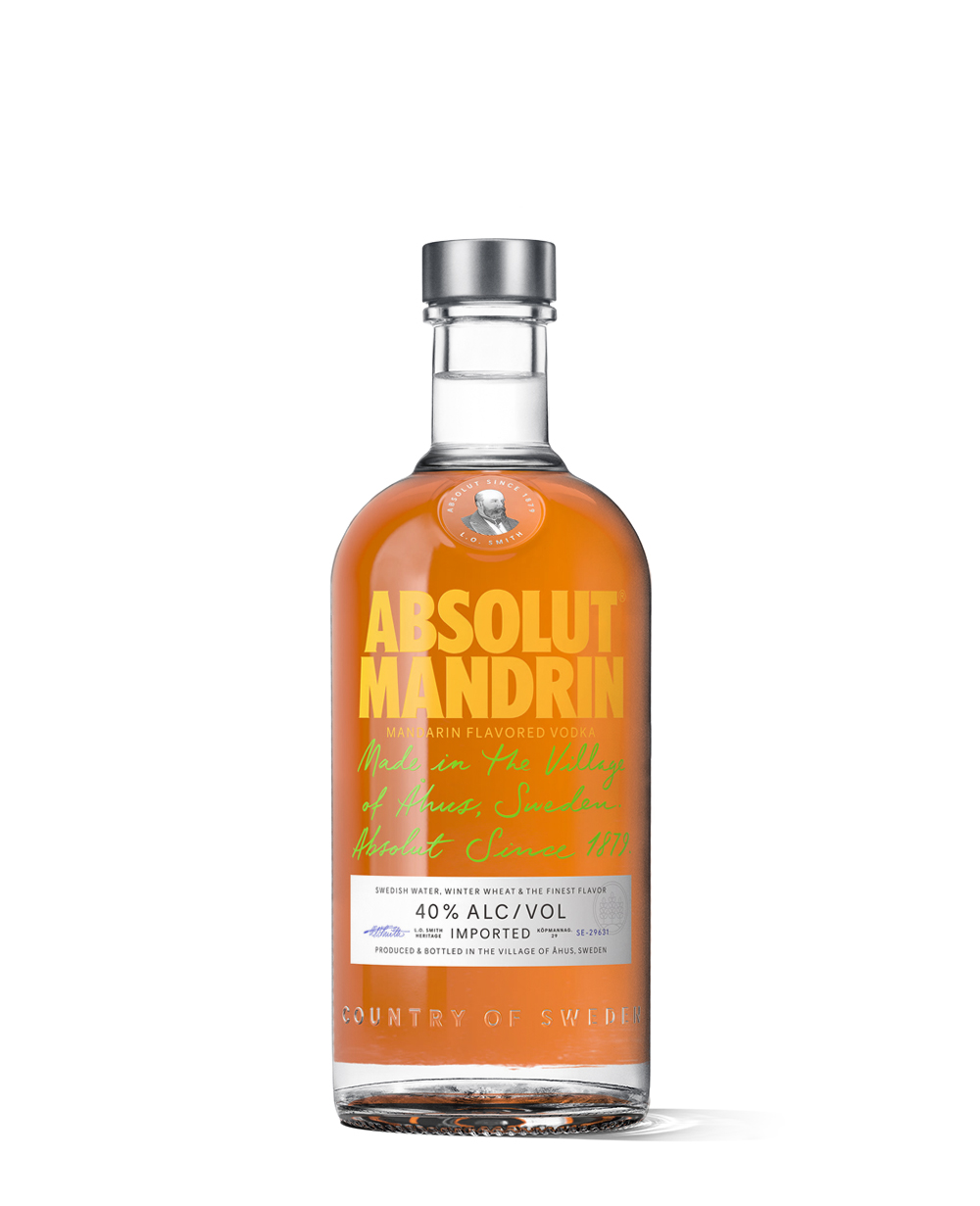
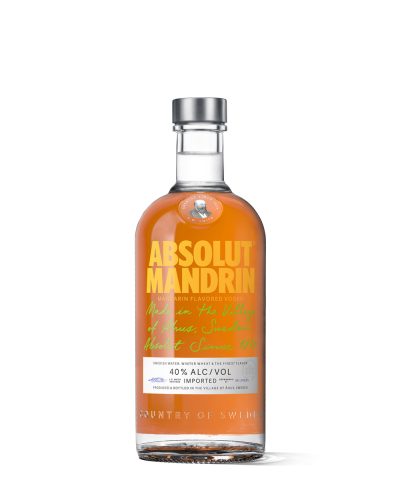
Mandrin 2021
2021 · 5 variants
Mandrin carried onto the 2021 bottle, with the handwritten wording and the engraved Country of Sweden that came with that redesign.
Open the edition › -
Edition 72 of 91
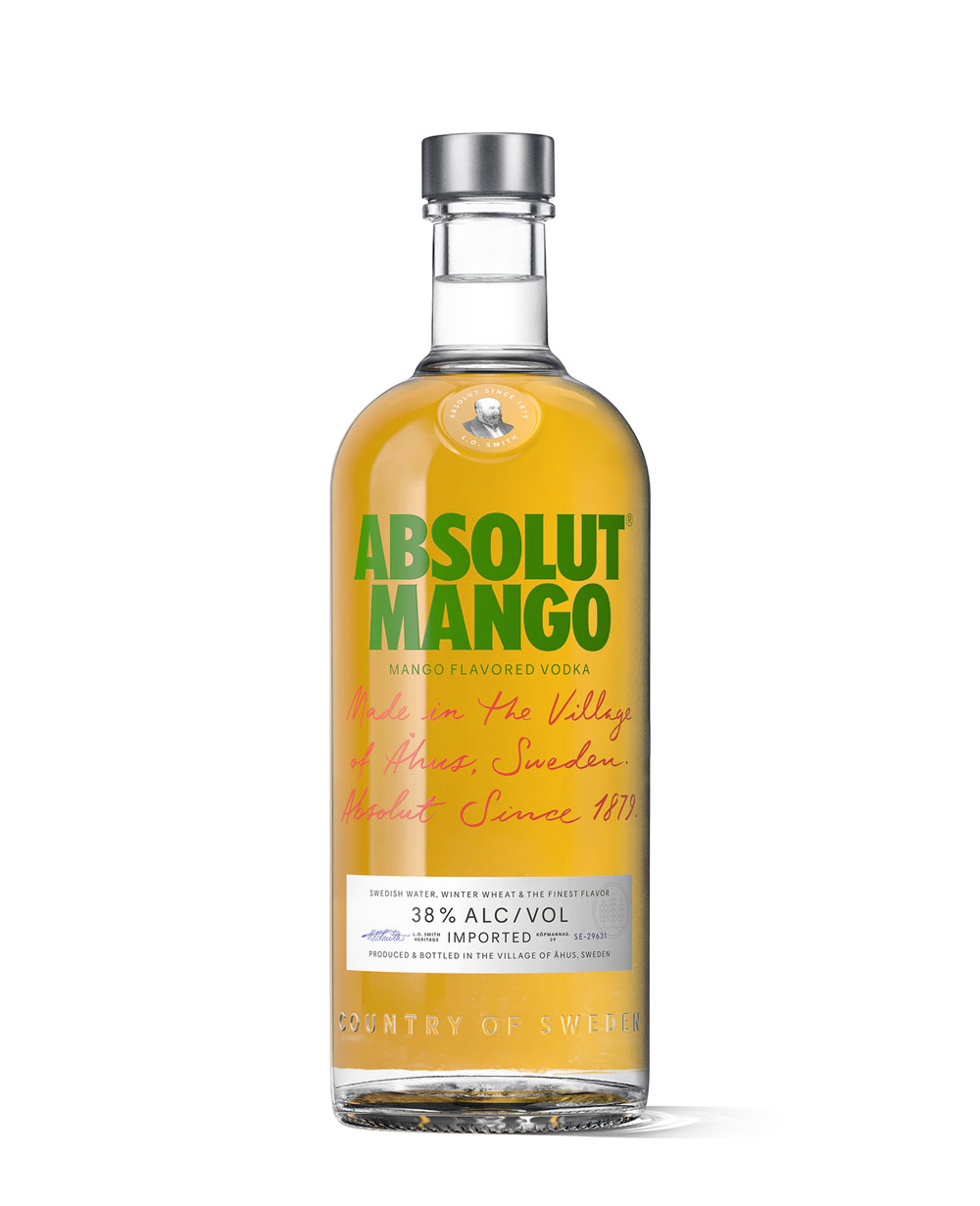
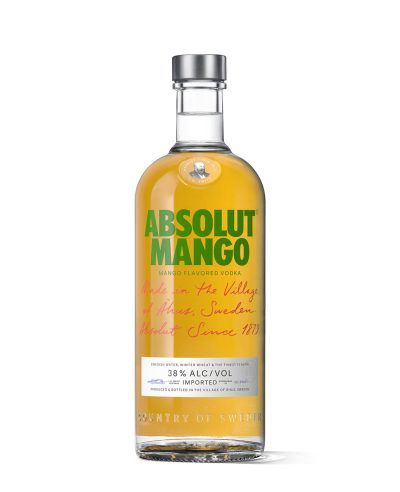
Mango 2021
2021 · 4 variants
Mango as issued on the 2021 bottle, with its handwritten wording and engraved Country of Sweden.
Open the edition › -
Edition 73 of 91
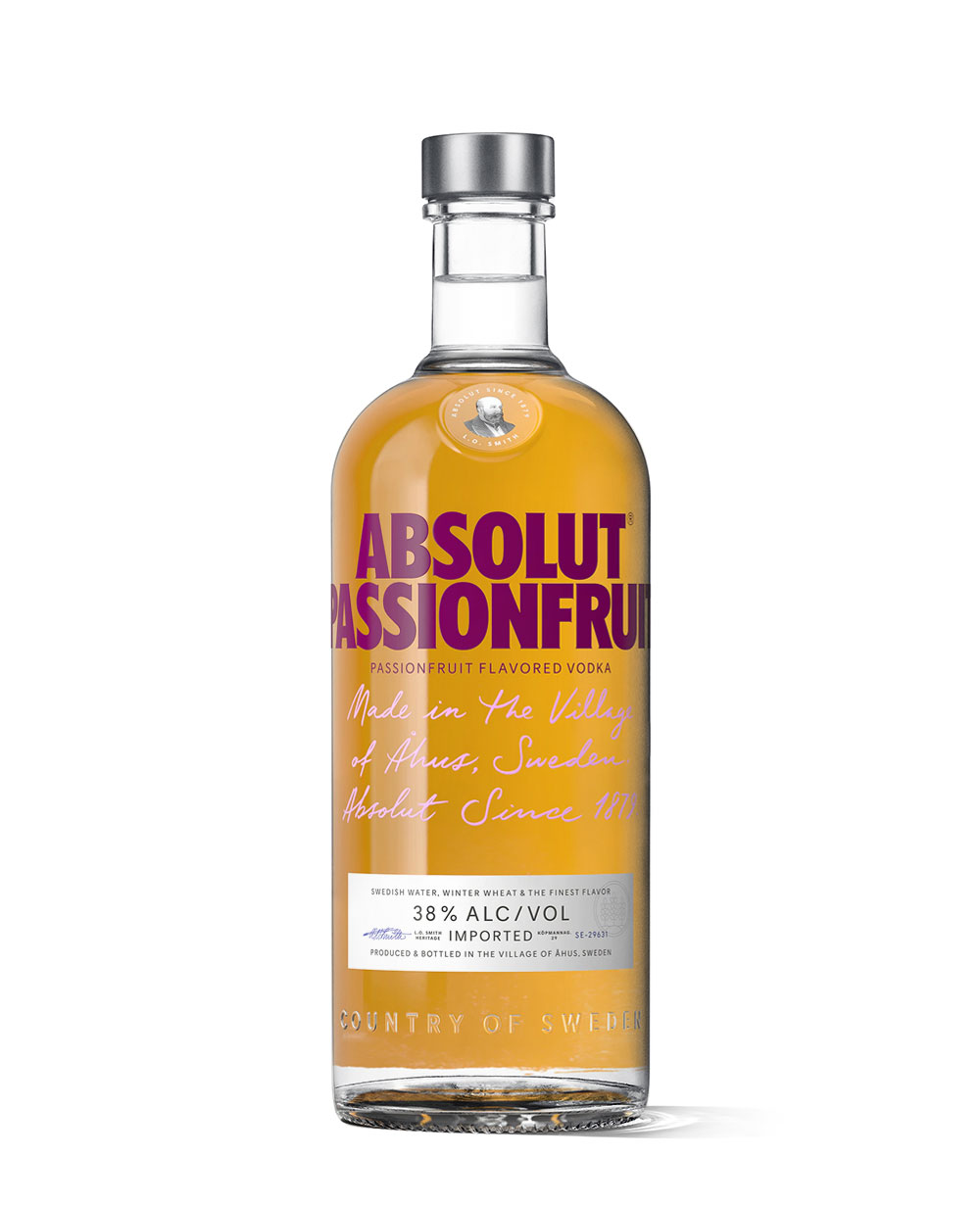
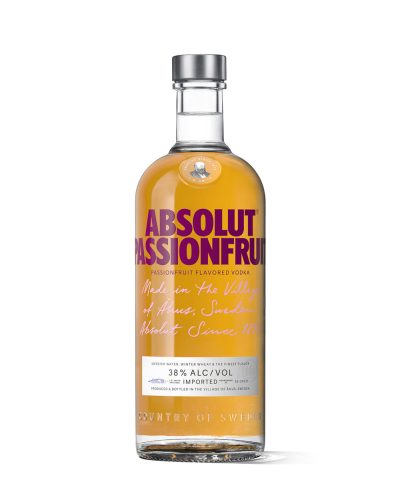
Passionfruit 2021
2021 · 3 variants
Passionfruit on the 2021 bottle, with the handwritten wording and engraved origin of that redesign.
Open the edition › -
Edition 74 of 91
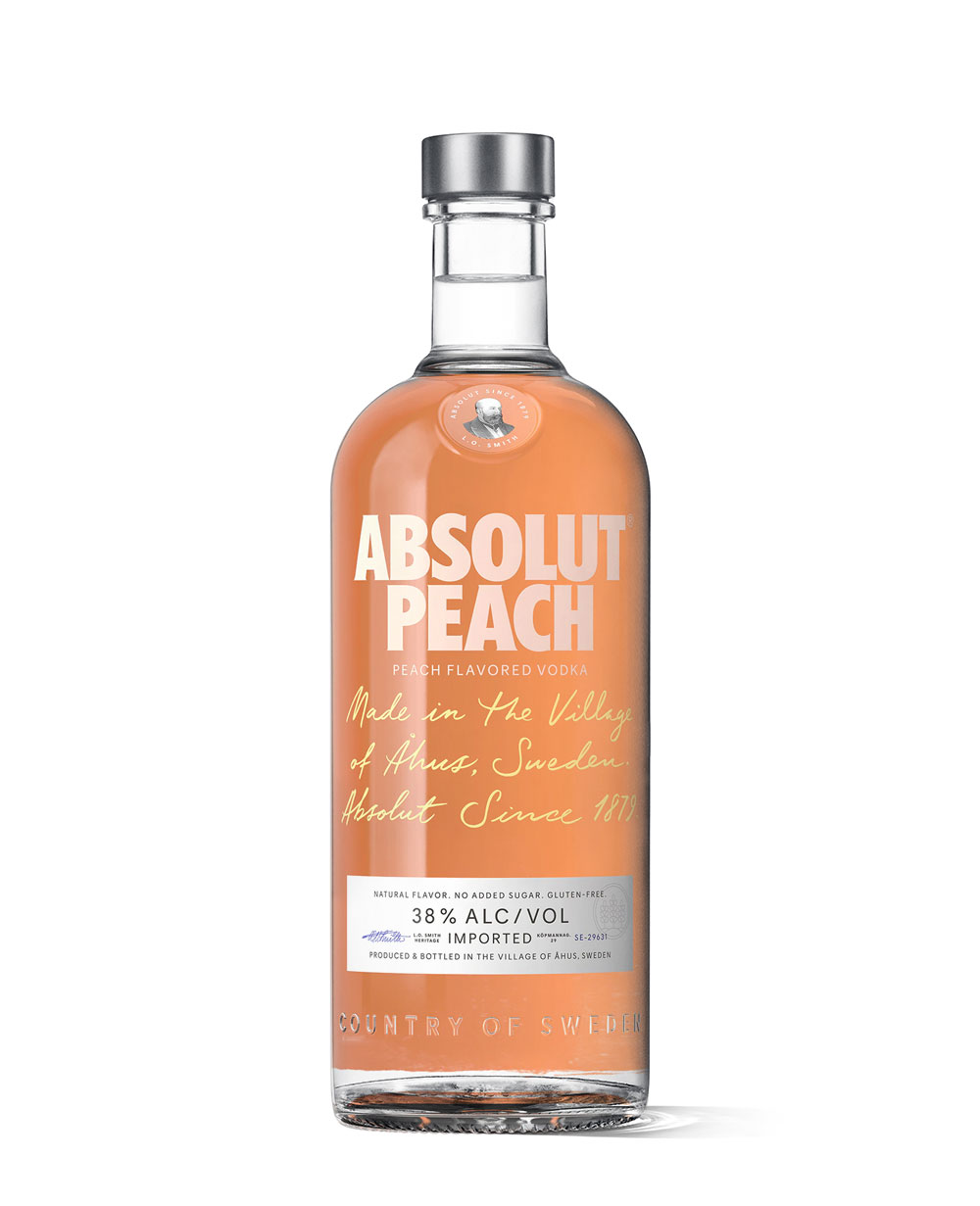
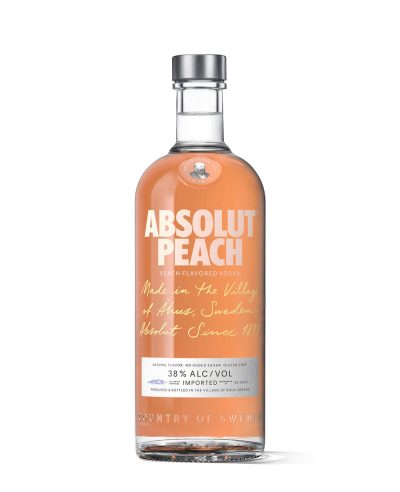
Peach
2021 · 3 variants
The 2021 peach, and a change of name: after sixteen years of Apeach the pun is dropped and the bottle simply reads Peach.
Open the edition › -
Edition 75 of 91
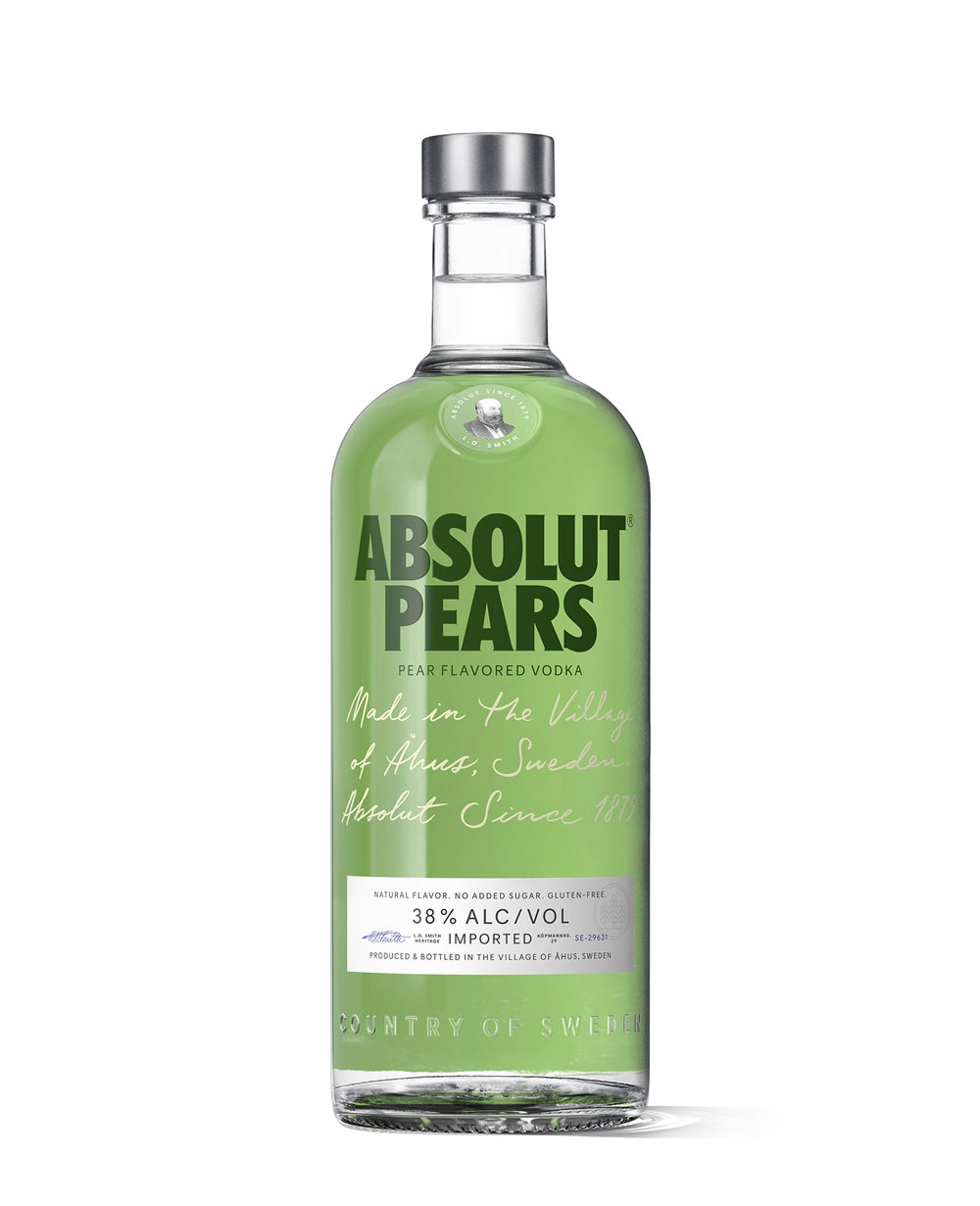
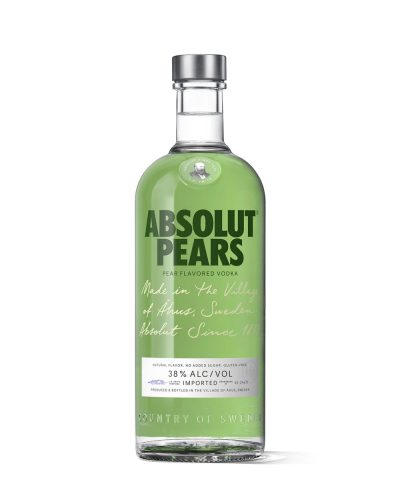
Pears 2021
2021 · 4 variants
Pears on the 2021 bottle — handwritten wording, Country of Sweden engraved rather than printed.
Open the edition › -
Edition 76 of 91
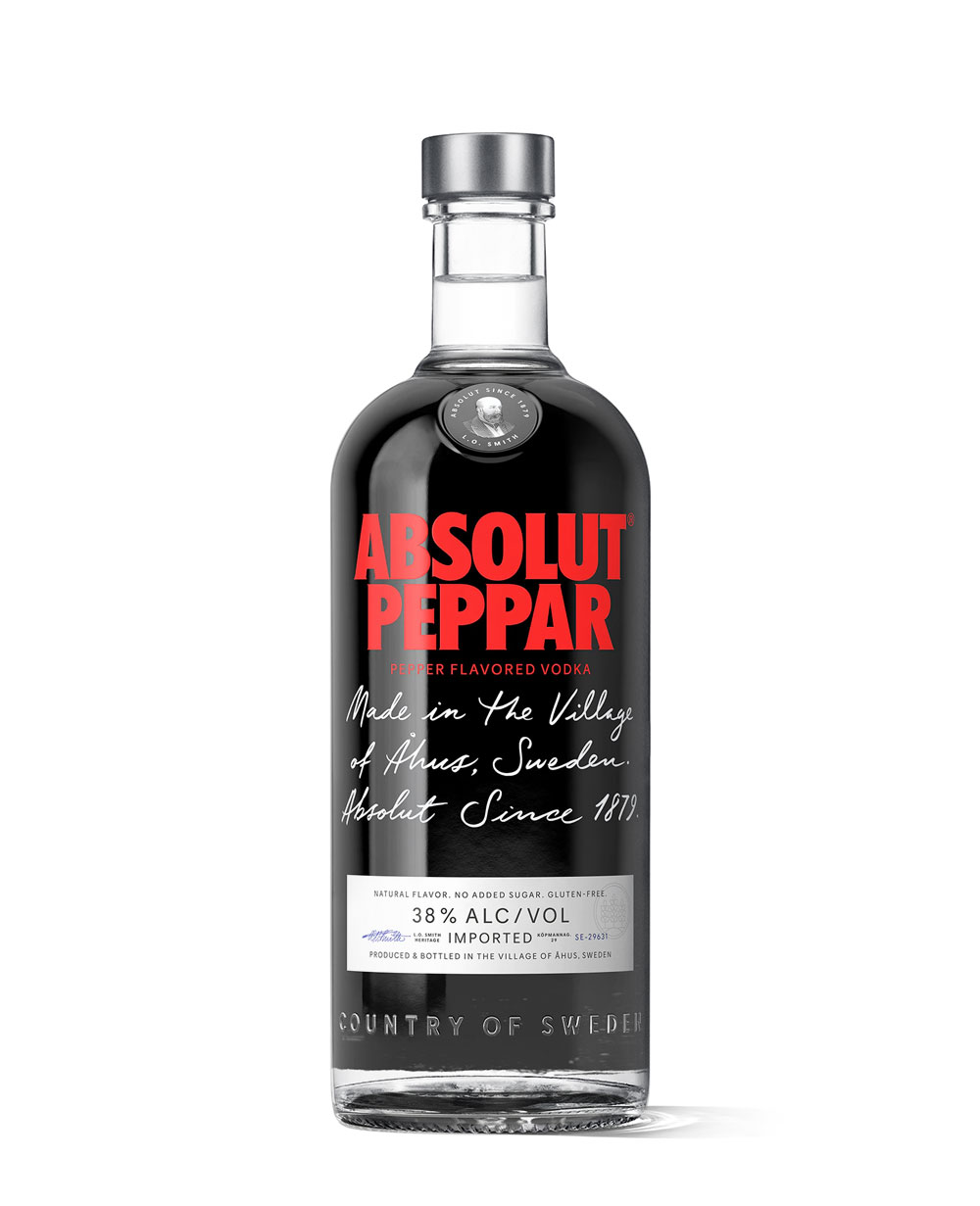
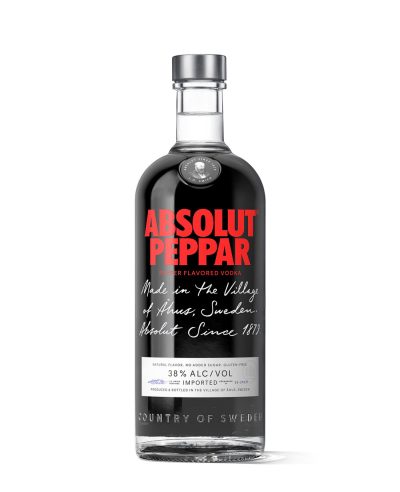
Peppar 2021
2021 · 4 variants
Peppar on the 2021 bottle, with handwritten wording and an engraved origin — still the flavour that started the category in 1986.
Open the edition › -
Edition 77 of 91
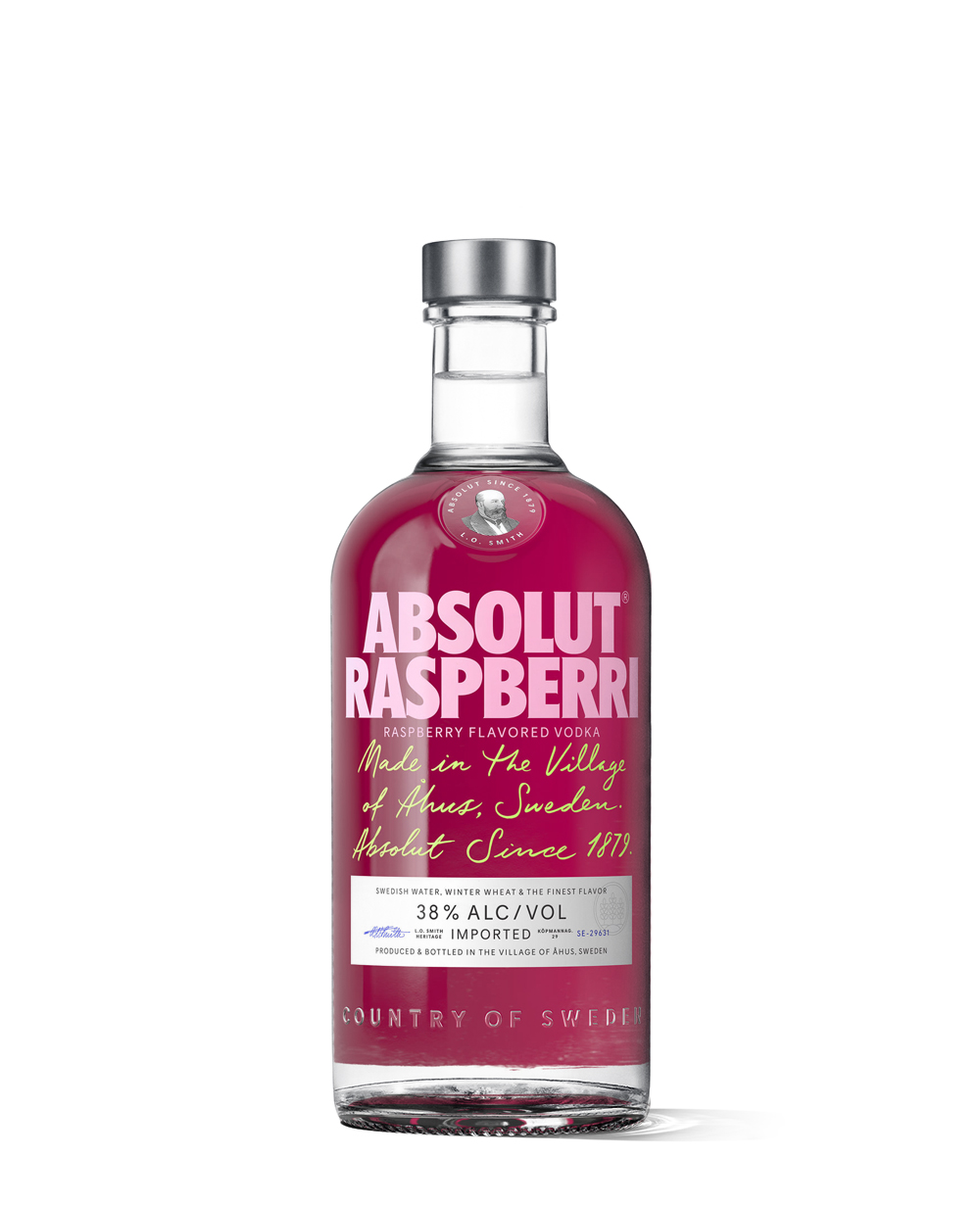
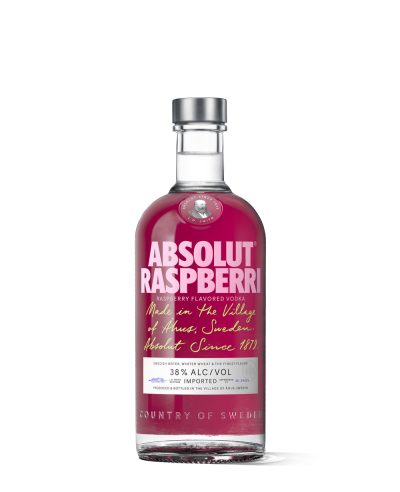
Raspberri 2021
2021 · 5 variants
Raspberri on the 2021 bottle, following the redesign that put the wording in handwriting and the origin in the glass.
Open the edition › -
Edition 78 of 91
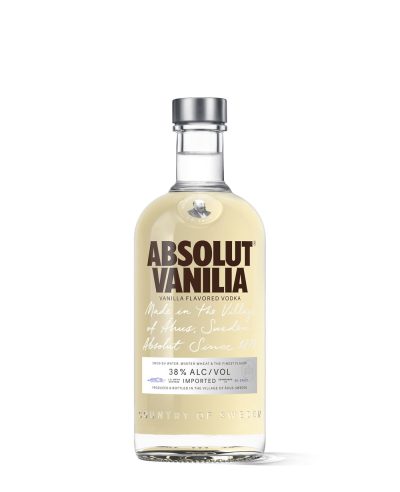
Vanilia 2021
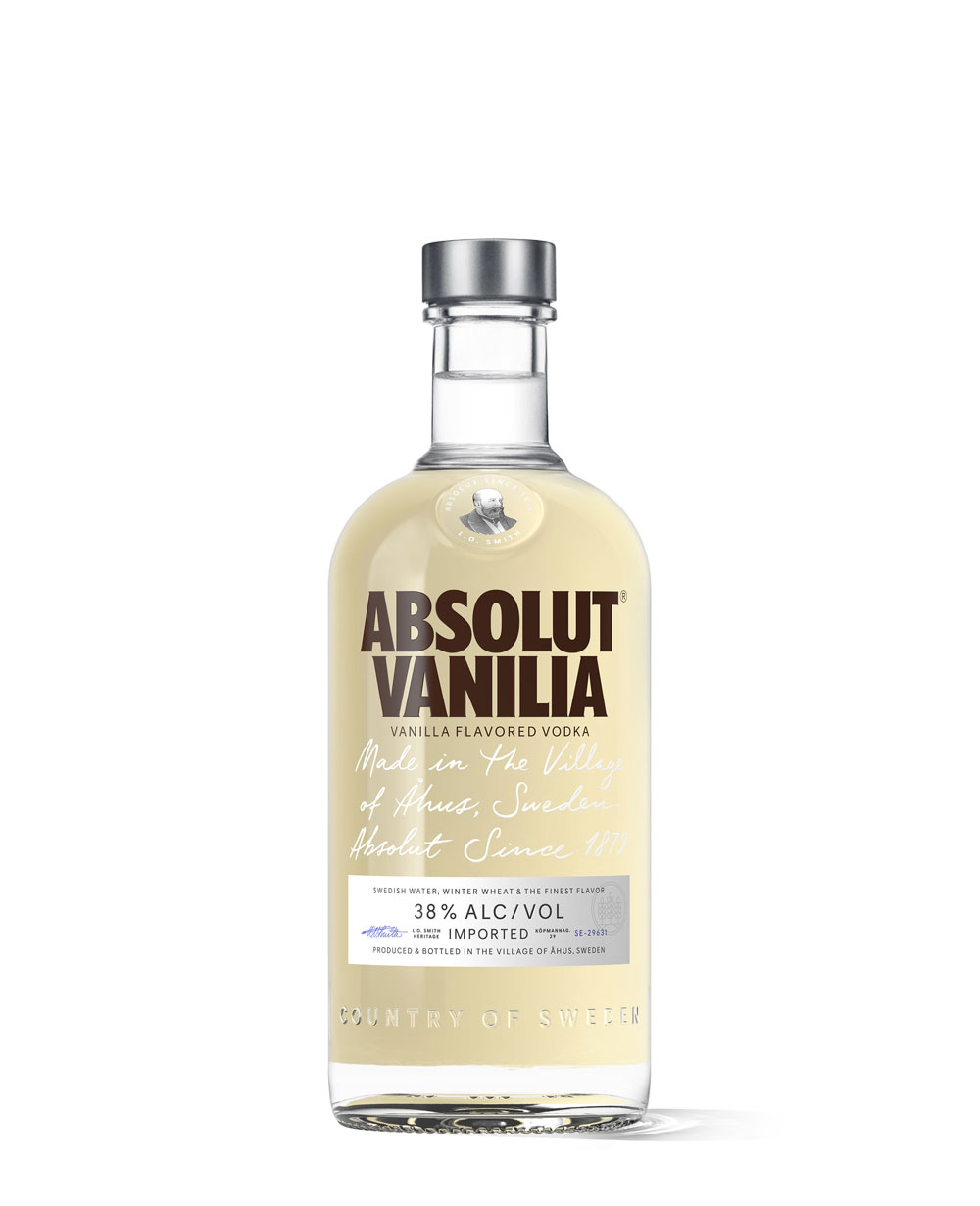
2021 · 4 variants
Vanilia carried onto the 2021 redesign, with handwritten wording and an engraved Country of Sweden.
Open the edition › -
Edition 80 of 91
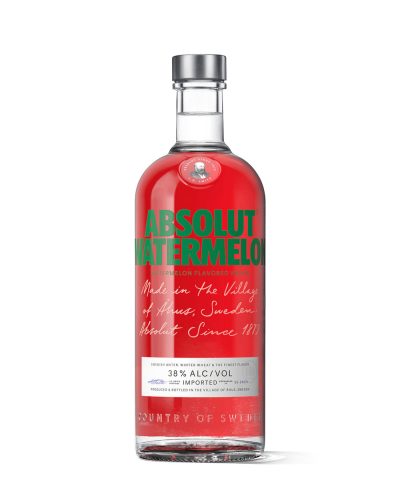
Watermelon 2021
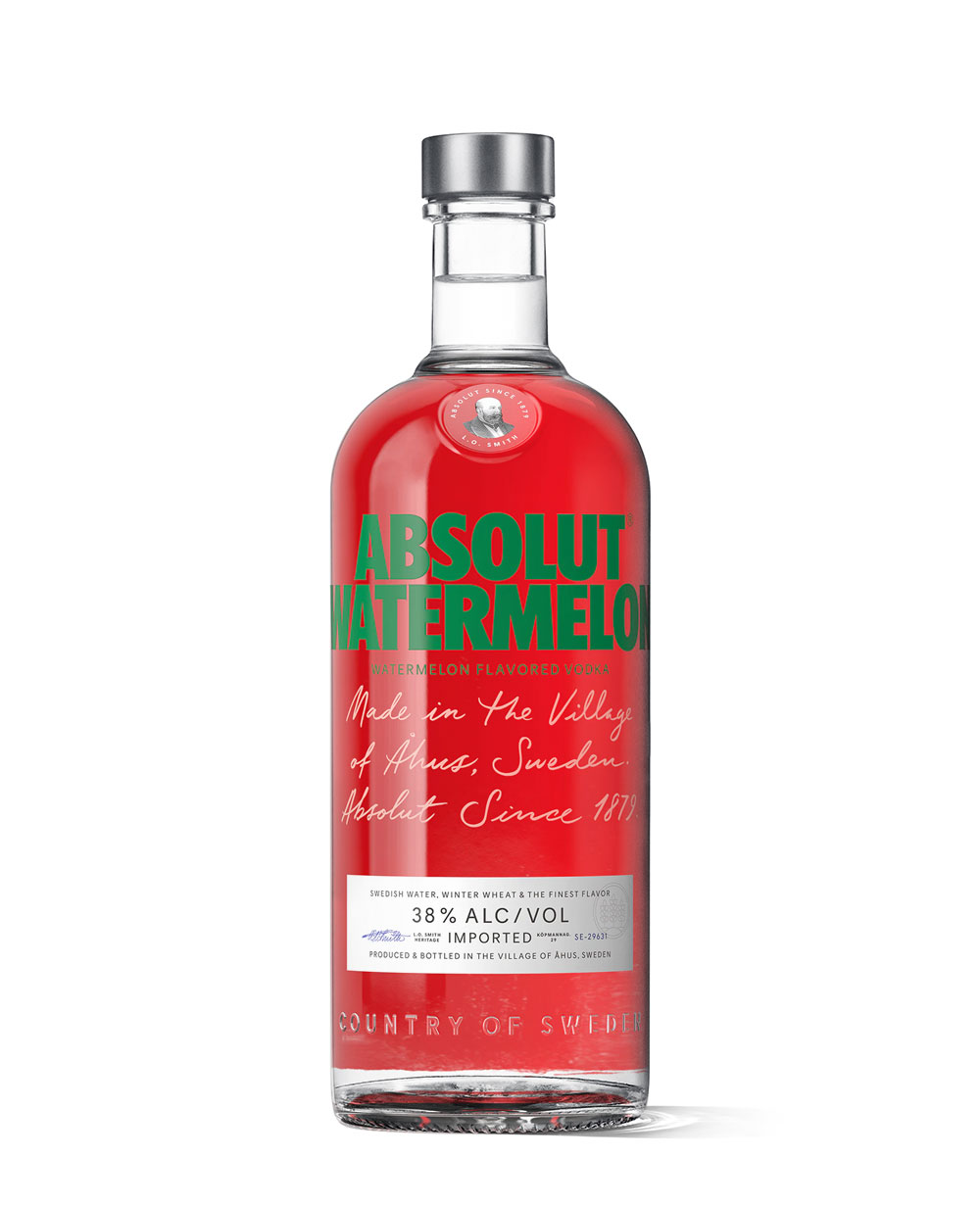
2021 · 4 variants
Watermelon on the 2021 bottle, sharing the handwritten wording and engraved Country of Sweden of that year's redesign.
Open the edition › -
Edition 81 of 91
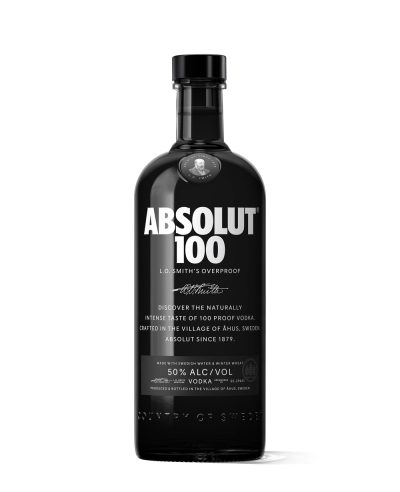
100 2022
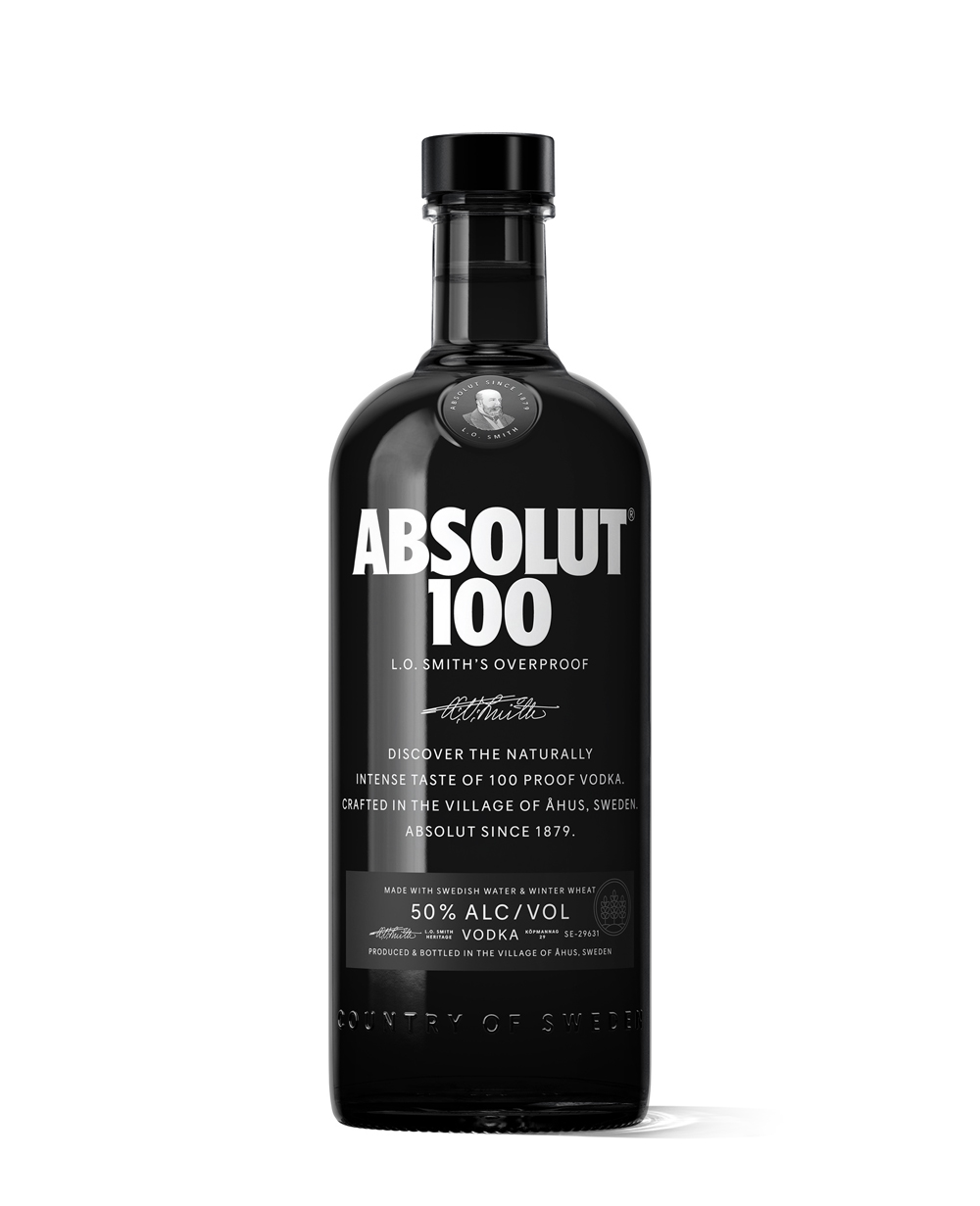
2022 · 2 variants
The 2022 issue of Absolut 100, a further restyling of the overproof black bottle that has anchored the range since 2007.
Open the edition › -
Edition 82 of 91
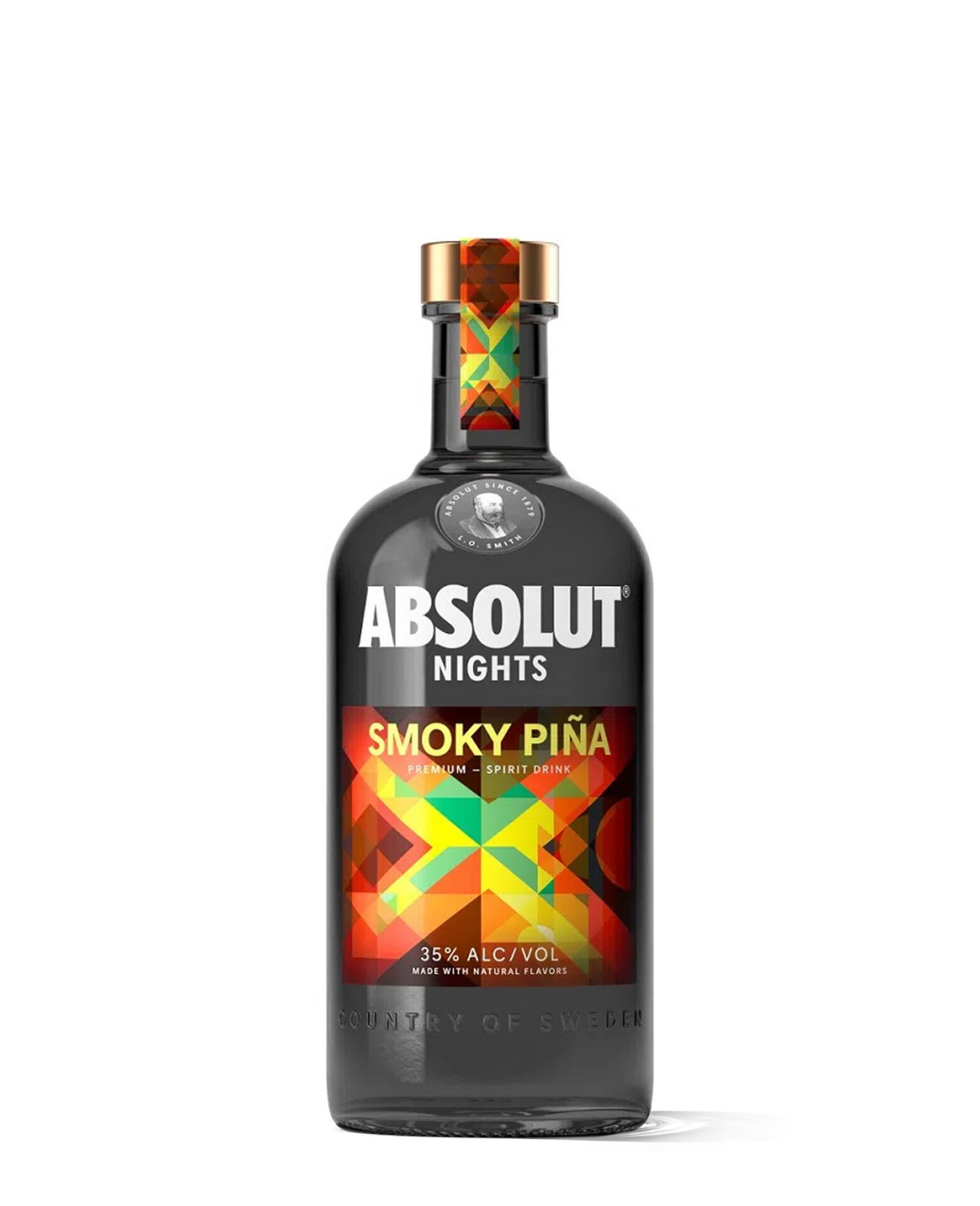
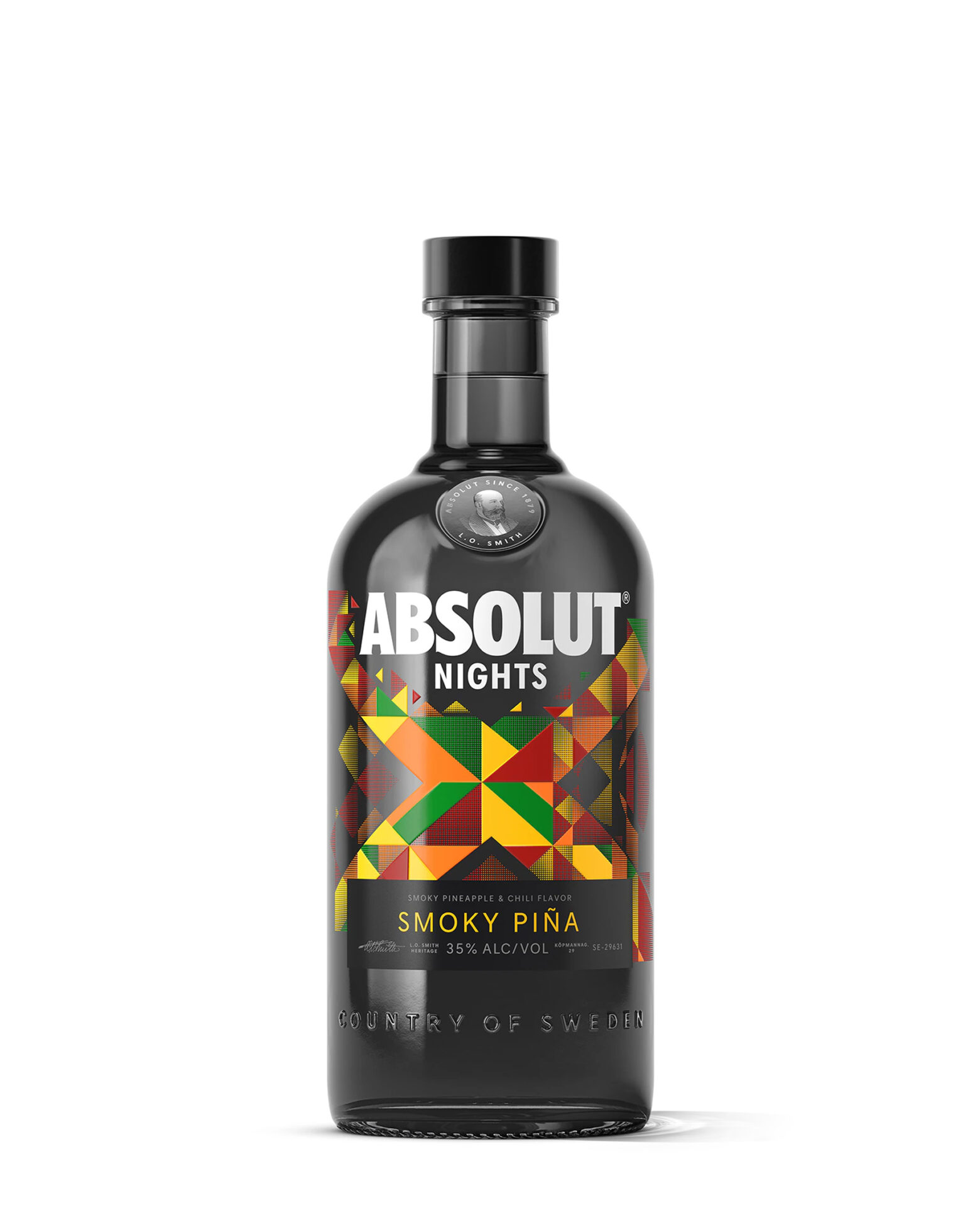
Smoky Piña
2022 · 1 variant
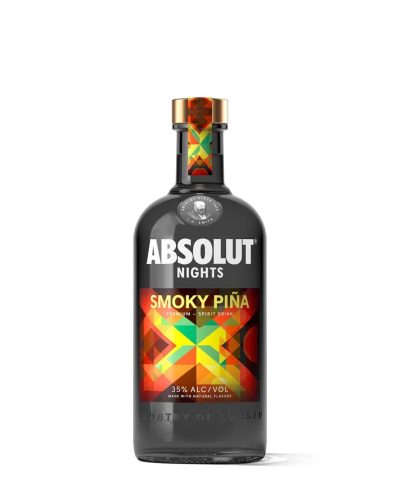
Smoked pineapple against chilli, and the bottle that opened the Absolut Nights range.
Open the edition › -
Edition 83 of 91
Extrakt #2
2023 · 1 variant
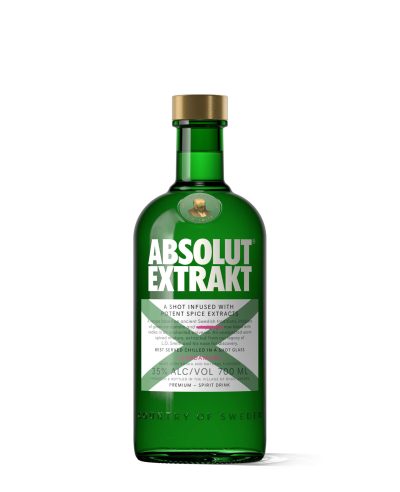
The second Extrakt, issued in 2023 with a new medallion and Country of Sweden embossed into the glass.
Open the edition › -
Edition 84 of 91
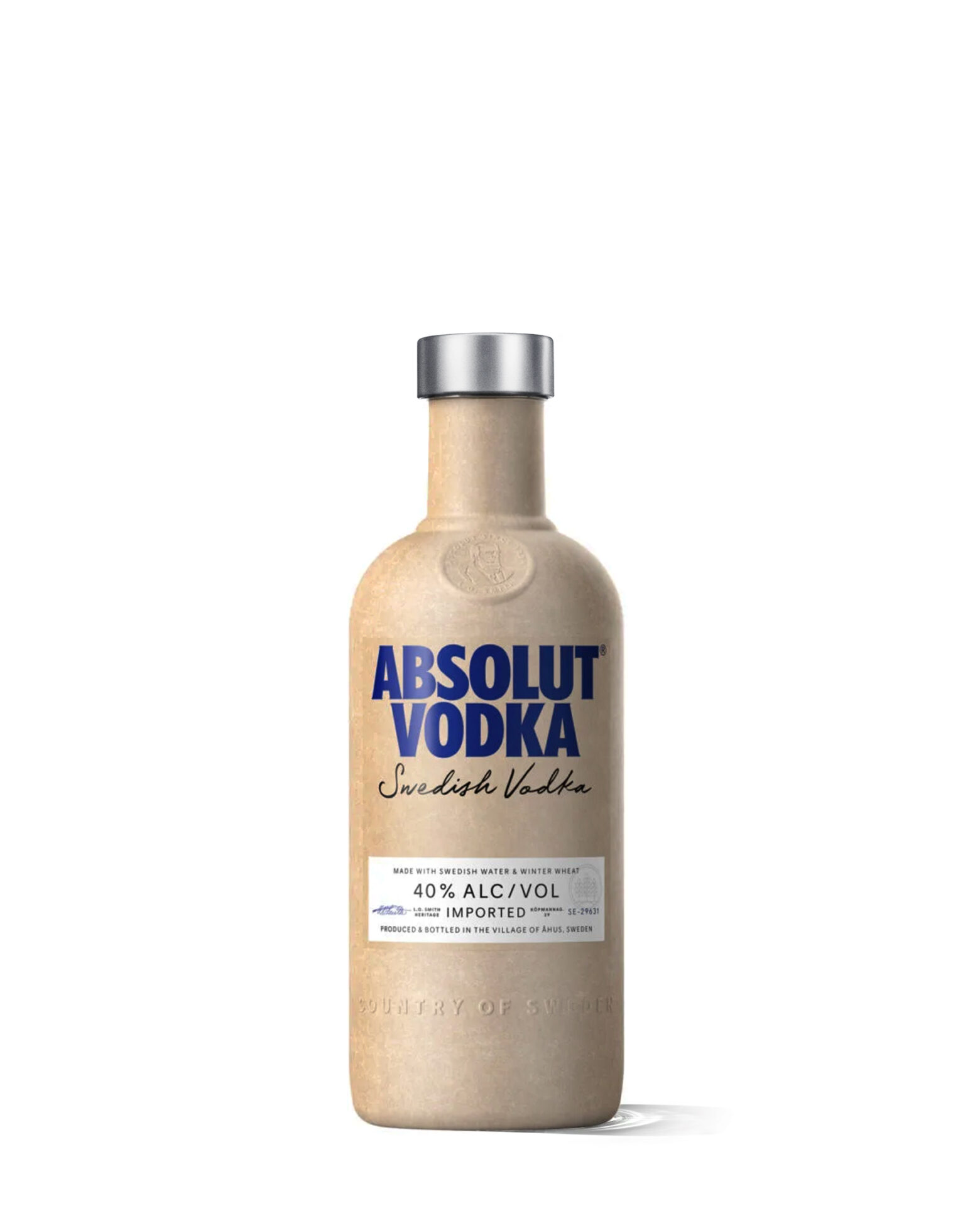
Paper bottle
2023 · 2 variants
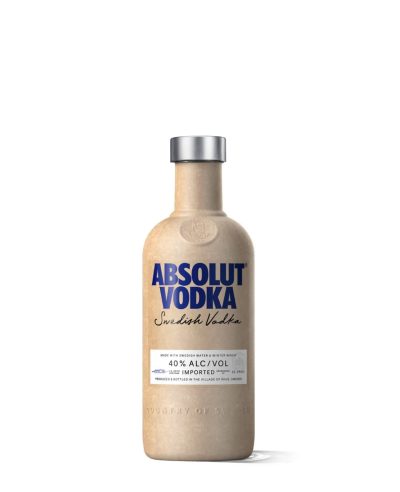
The first paper bottle any global spirits brand has actually sold: a single-mould paper body, one step on the way to a fully bio-based bottle.
Open the edition › -
Edition 85 of 91
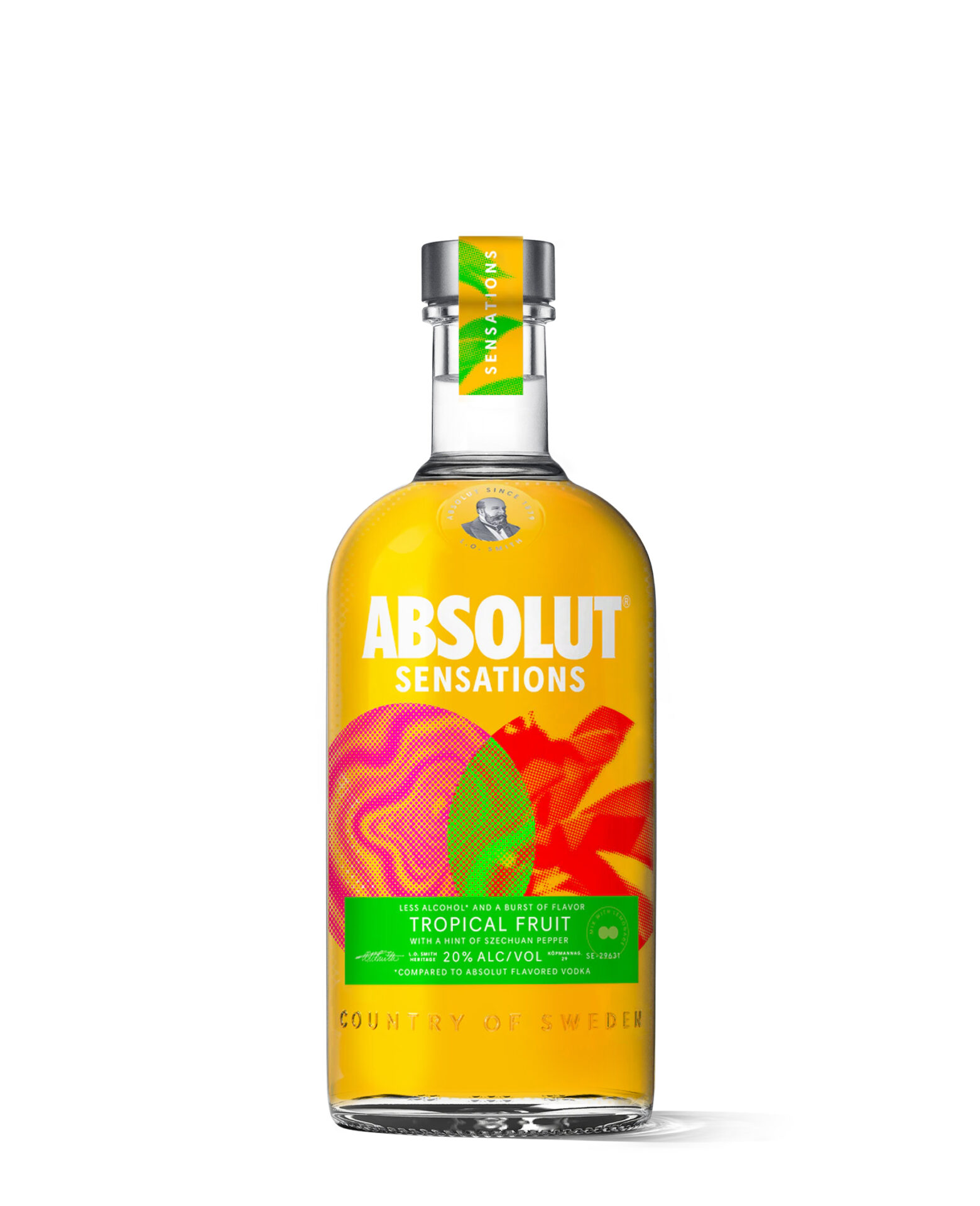
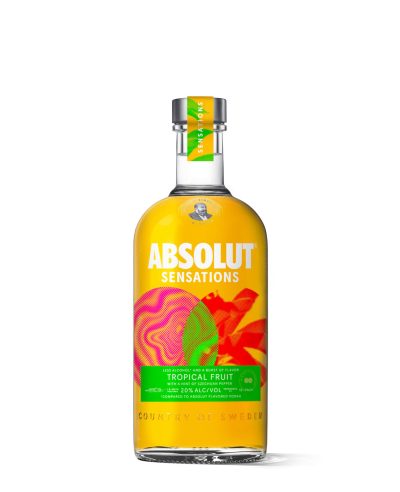
Sensations
2023 · 4 variants
A tropical fruit flavour, released in 2023.
Open the edition › -
Edition 86 of 91
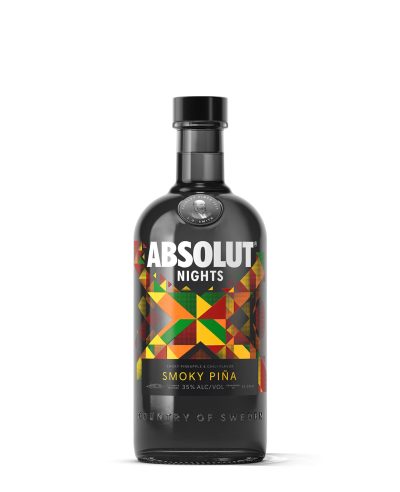
Smoky Piña #2
2023 · 2 variants
The second issue of Nights Smoky Piña, on the same smoked pineapple and chilli.
Open the edition › -
Edition 89 of 91
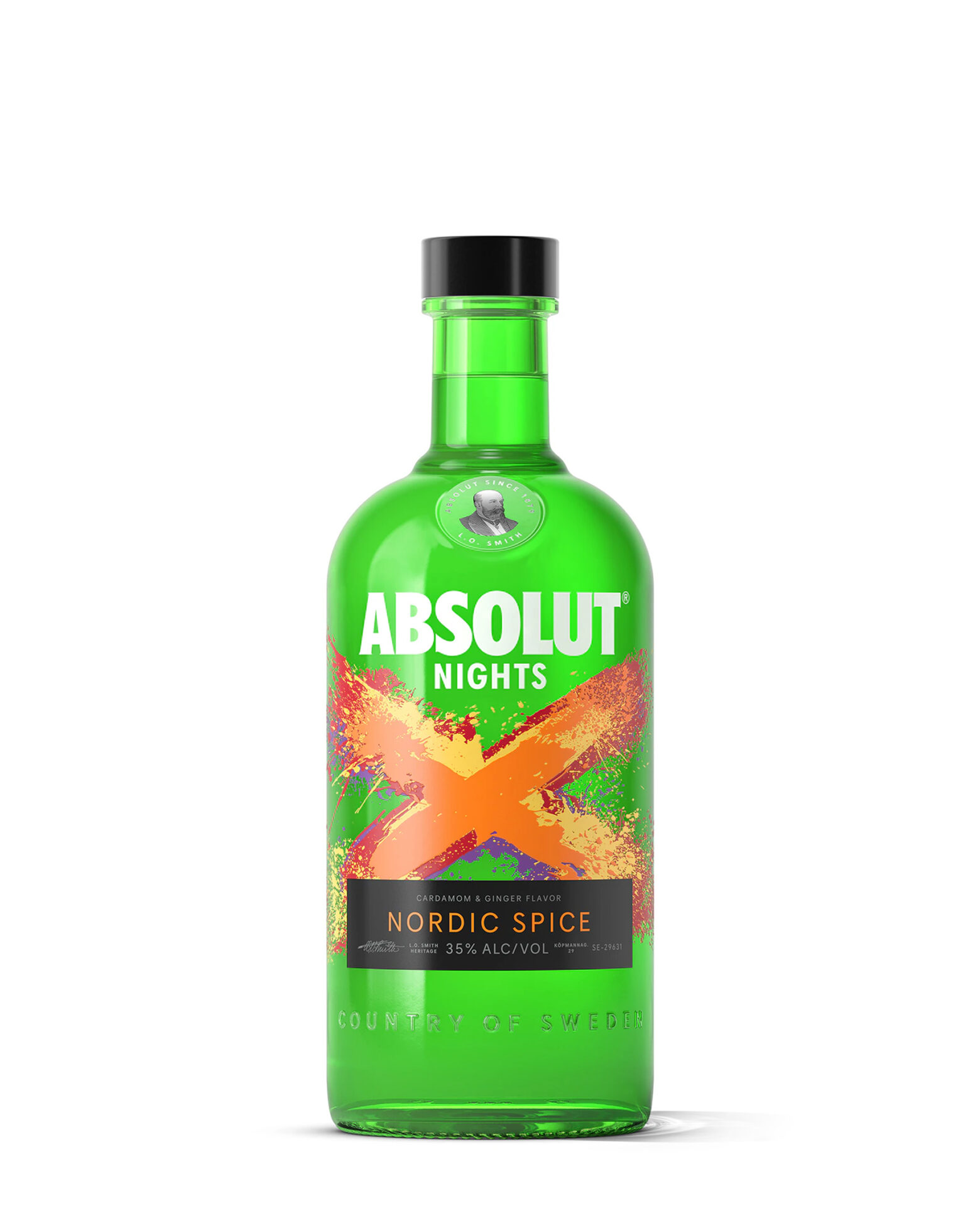
Nordic Spice
2024 · 1 variant
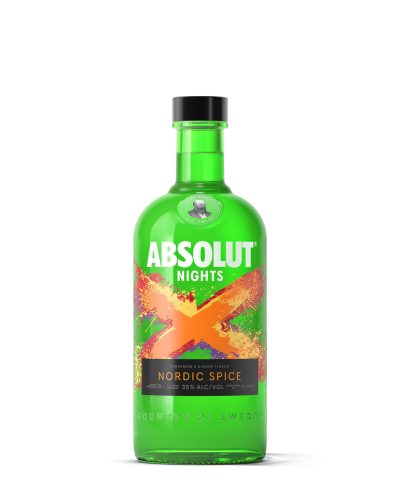
Cardamom and ginger, from the Absolut Nights range.
Open the edition › -
Edition 90 of 91
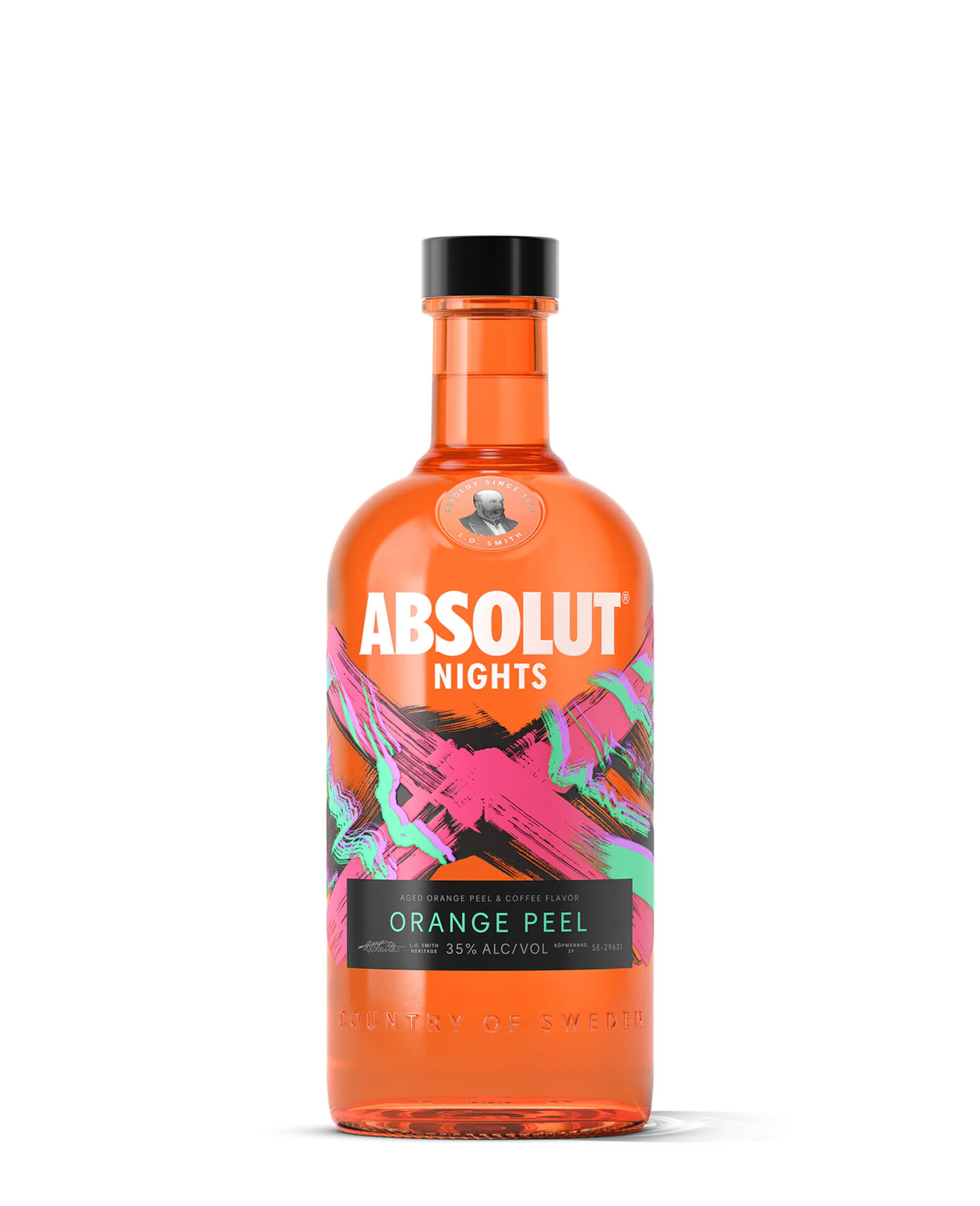
Orange Peel
2024 · 1 variant
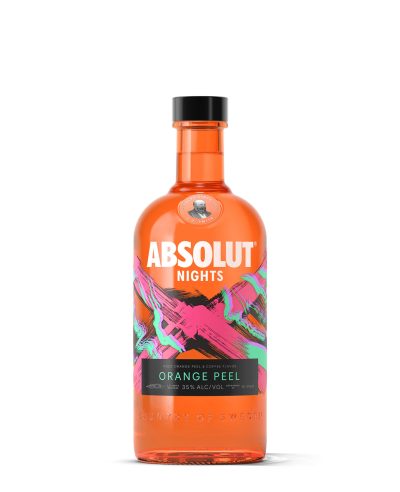
Aged orange peel against coffee, from the Absolut Nights range.
Open the edition ›
-
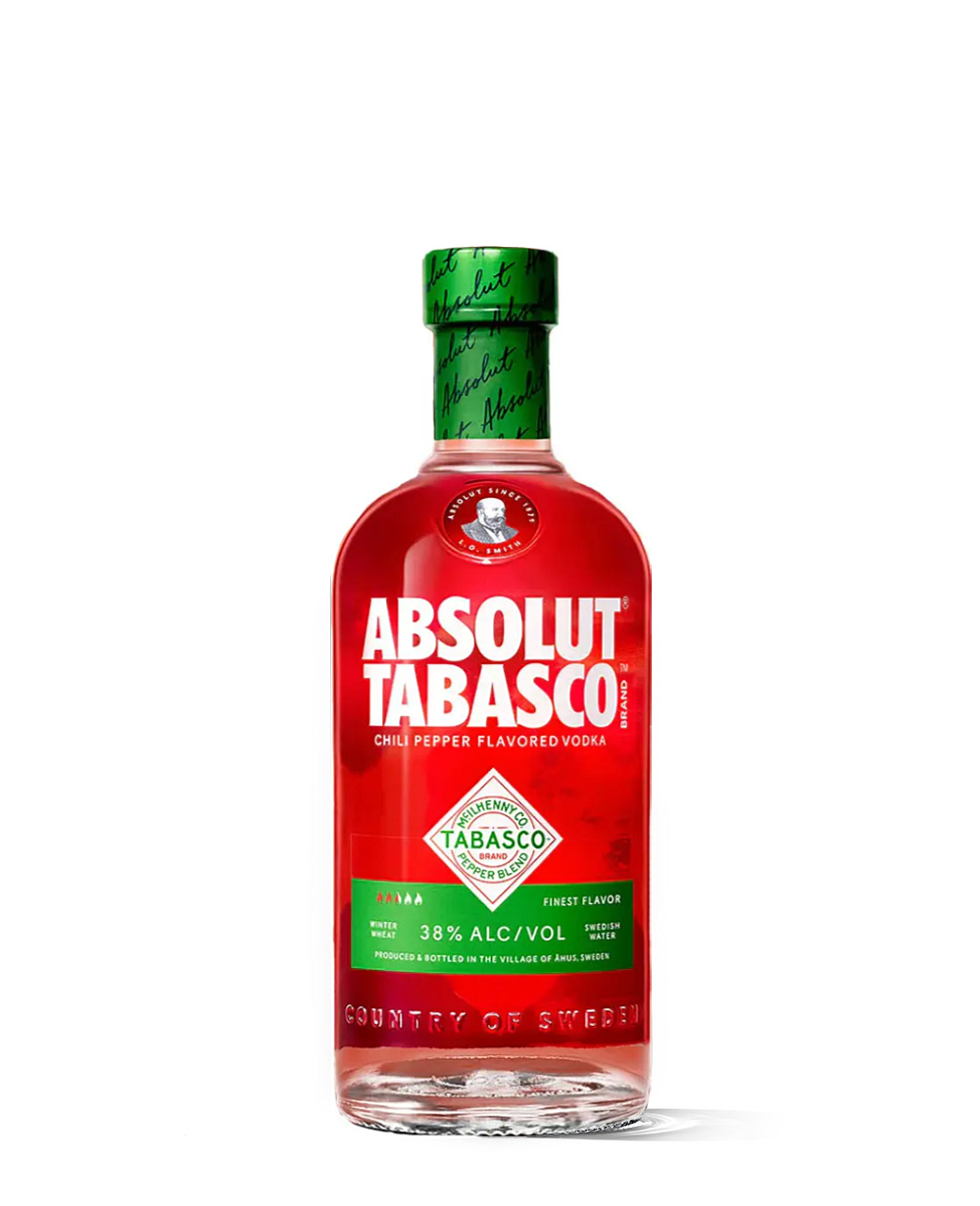
 Tabasco
2026 · 4 variants
Tabasco
2026 · 4 variants
-
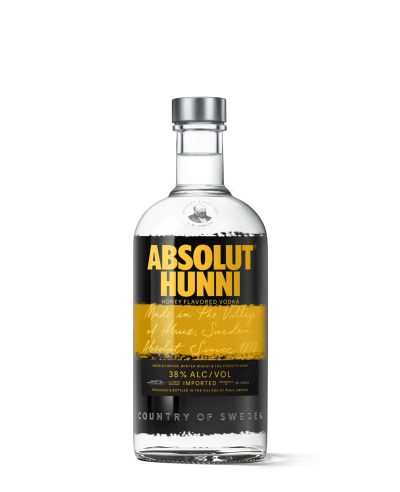 Hunni
2024
Hunni
2024
-
 Nordic Spice
2024
Nordic Spice
2024
-
 Orange Peel
2024
Orange Peel
2024
-
 Extrakt #2
2023
Extrakt #2
2023
-
 Paper bottle
2023 · 2 variants
Paper bottle
2023 · 2 variants
-
 Sensations
2023 · 4 variants
Sensations
2023 · 4 variants
-
 Smoky Piña #2
2023 · 2 variants
Smoky Piña #2
2023 · 2 variants
-
 Wild Berri
2023 · 4 variants
Wild Berri
2023 · 4 variants
-
 100 2022
2022 · 2 variants
100 2022
2022 · 2 variants
-
 Smoky Piña
2022
Smoky Piña
2022
-
 Blue Label 2021
2021 · 19 variants
Blue Label 2021
2021 · 19 variants
-
 Citron 2021
2021 · 7 variants
Citron 2021
2021 · 7 variants
-
 Grapefruit 2021
2021 · 3 variants
Grapefruit 2021
2021 · 3 variants
-
 Lime 2021
2021 · 4 variants
Lime 2021
2021 · 4 variants
-
 Mandrin 2021
2021 · 5 variants
Mandrin 2021
2021 · 5 variants
-
 Mango 2021
2021 · 4 variants
Mango 2021
2021 · 4 variants
-
 Passionfruit 2021
2021 · 3 variants
Passionfruit 2021
2021 · 3 variants
-
 Peach
2021 · 3 variants
Peach
2021 · 3 variants
-
 Pears 2021
2021 · 4 variants
Pears 2021
2021 · 4 variants
-
 Peppar 2021
2021 · 4 variants
Peppar 2021
2021 · 4 variants
-
 Raspberri 2021
2021 · 5 variants
Raspberri 2021
2021 · 5 variants
-
 Vanilia 2021
2021 · 4 variants
Vanilia 2021
2021 · 4 variants
-
 Watermelon
2021 · 5 variants
Watermelon
2021 · 5 variants
-
 Watermelon 2021
2021 · 4 variants
Watermelon 2021
2021 · 4 variants
-
 Passionfruit
2020 · 3 variants
Passionfruit
2020 · 3 variants
-
 100 2019
2019 · 2 variants
100 2019
2019 · 2 variants
-
 Grapefruit
2018 · 6 variants
Grapefruit
2018 · 6 variants
-
 100 2017
2017 · 3 variants
100 2017
2017 · 3 variants
-
 Apeach 2017
2017 · 7 variants
Apeach 2017
2017 · 7 variants
-
 Berri Açai 2017
2017 · 5 variants
Berri Açai 2017
2017 · 5 variants
-
 Cherrys 2017
2017 · 3 variants
Cherrys 2017
2017 · 3 variants
-
 Extrakt
2017 · 5 variants
Extrakt
2017 · 5 variants
-
 Gräpe 2017
2017 · 2 variants
Gräpe 2017
2017 · 2 variants
-
 Lime
2017 · 6 variants
Lime
2017 · 6 variants
-
 Mango 2017
2017 · 3 variants
Mango 2017
2017 · 3 variants
-
 Vanilia 2017
2017 · 4 variants
Vanilia 2017
2017 · 4 variants
-
 Äpple 2017
2017 · 3 variants
Äpple 2017
2017 · 3 variants
-
 Apeach 2016
2016 · 7 variants
Apeach 2016
2016 · 7 variants
-
 Berri Açai 2016
2016 · 3 variants
Berri Açai 2016
2016 · 3 variants
-
 Cherrys 2016
2016 · 3 variants
Cherrys 2016
2016 · 3 variants
-
 Citron 2016
2016 · 8 variants
Citron 2016
2016 · 8 variants
-
 Kurant 2016
2016 · 5 variants
Kurant 2016
2016 · 5 variants
-
 Mandrin 2016
2016 · 7 variants
Mandrin 2016
2016 · 7 variants
-
 Mango 2016
2016 · 3 variants
Mango 2016
2016 · 3 variants
-
 Pears 2016
2016 · 6 variants
Pears 2016
2016 · 6 variants
-
 Peppar 2016
2016 · 4 variants
Peppar 2016
2016 · 4 variants
-
 Raspberri 2016
2016 · 7 variants
Raspberri 2016
2016 · 7 variants
-
 Ruby Red 2016
2016 · 7 variants
Ruby Red 2016
2016 · 7 variants
-
 Vanilia 2016
2016 · 3 variants
Vanilia 2016
2016 · 3 variants
-
 Äpple 2016
2016 · 3 variants
Äpple 2016
2016 · 3 variants
-
 Blue Label 2015
2015 · 15 variants
Blue Label 2015
2015 · 15 variants
-
 Berri Açai 2014
2014 · 5 variants
Berri Açai 2014
2014 · 5 variants
-
 Cherrys 2014
2014 · 3 variants
Cherrys 2014
2014 · 3 variants
-
 Gräpe 2014
2014 · 2 variants
Gräpe 2014
2014 · 2 variants
-
 Mango 2014
2014 · 3 variants
Mango 2014
2014 · 3 variants
-
 Orient Apple
2014 · 4 variants
Orient Apple
2014 · 4 variants
-
 Ruby Red 2014
2014 · 7 variants
Ruby Red 2014
2014 · 7 variants
-
 Wild Tea 2014
2014 · 3 variants
Wild Tea 2014
2014 · 3 variants
-
 Äpple 2014
2014 · 3 variants
Äpple 2014
2014 · 3 variants
-
 Apeach 2013
2013 · 7 variants
Apeach 2013
2013 · 7 variants
-
 Cilantro
2013 · 3 variants
Cilantro
2013 · 3 variants
-
 Citron 2013
2013 · 8 variants
Citron 2013
2013 · 8 variants
-
 Kurant 2013
2013 · 7 variants
Kurant 2013
2013 · 7 variants
-
 Mandrin 2013
2013 · 8 variants
Mandrin 2013
2013 · 8 variants
-
 Pears 2013
2013 · 7 variants
Pears 2013
2013 · 7 variants
-
 Peppar 2013
2013 · 6 variants
Peppar 2013
2013 · 6 variants
-
 Raspberri 2013
2013 · 7 variants
Raspberri 2013
2013 · 7 variants
-
 Vanilia 2013
2013 · 4 variants
Vanilia 2013
2013 · 4 variants
-
 Vanilia Experience this Rich
2013 · 4 variants
Vanilia Experience this Rich
2013 · 4 variants
-
 Cherrykran
2012 · 3 variants
Cherrykran
2012 · 3 variants
-
 Hibiskus
2012 · 4 variants
Hibiskus
2012 · 4 variants
-
 Blue Label 2011
2011 · 16 variants
Blue Label 2011
2011 · 16 variants
-
 Gräpevine
2011 · 3 variants
Gräpevine
2011 · 3 variants
-
 Berri Açai 2010
2010 · 5 variants
Berri Açai 2010
2010 · 5 variants
-
 Mango 2010
2010 · 4 variants
Mango 2010
2010 · 4 variants
-
 Wild Tea 2010
2010 · 4 variants
Wild Tea 2010
2010 · 4 variants
-
 100 2007
2007 · 7 variants
100 2007
2007 · 7 variants
-
 Pears 2007
2007 · 7 variants
Pears 2007
2007 · 7 variants
-
 Ruby Red 2006
2006 · 8 variants
Ruby Red 2006
2006 · 8 variants
-
 Apeach 2005
2005 · 7 variants
Apeach 2005
2005 · 7 variants
-
 Raspberri Feel the Intense
2004 · 7 variants
Raspberri Feel the Intense
2004 · 7 variants
-
 Raspberri Feel the Rich
2004 · 5 variants
Raspberri Feel the Rich
2004 · 5 variants
-
 Vanilia Experience the Purest
2003 · 4 variants
Vanilia Experience the Purest
2003 · 4 variants
-
 Mandrin 1999
1999 · 11 variants
Mandrin 1999
1999 · 11 variants
-
 Kurant Be Intrigued
1992 · 7 variants
Kurant Be Intrigued
1992 · 7 variants
-
 Kurant This Superb
1992 · 9 variants
Kurant This Superb
1992 · 9 variants
-
 Citron 1988
1988 · 13 variants
Citron 1988
1988 · 13 variants
-
 Peppar 1986
1986 · 8 variants
Peppar 1986
1986 · 8 variants
-
 Blue Label 1979
1979 · 27 variants
Blue Label 1979
1979 · 27 variants
-
 Red Label
1979 · 11 variants
Red Label
1979 · 11 variants
-
Tabasco
2026 · 4 variants
-
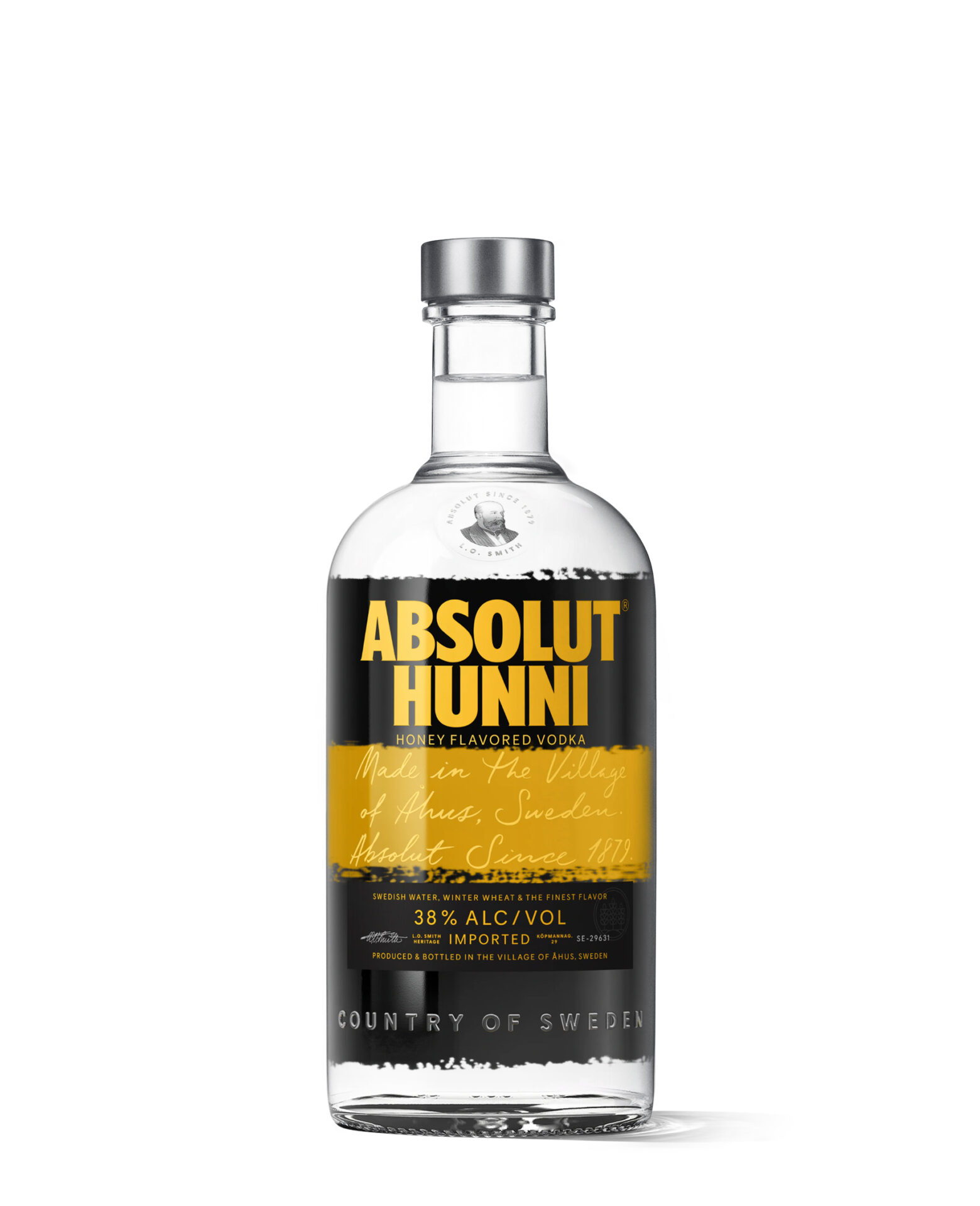
Hunni
2024 · 1 variant
A honey flavour, released in 2024.
-
Nordic Spice
2024 · 1 variant
Cardamom and ginger, from the Absolut Nights range.
-
Orange Peel
2024 · 1 variant
Aged orange peel against coffee, from the Absolut Nights range.
-
Extrakt #2
2023 · 1 variant
The second Extrakt, issued in 2023 with a new medallion and Country of Sweden embossed into the glass.
-
Paper bottle
2023 · 2 variants
The first paper bottle any global spirits brand has actually sold: a single-mould paper body, one step on the way to a fully bio-based bottle.
-
Sensations
2023 · 4 variants
A tropical fruit flavour, released in 2023.
-
Smoky Piña #2
2023 · 2 variants
The second issue of Nights Smoky Piña, on the same smoked pineapple and chilli.
-
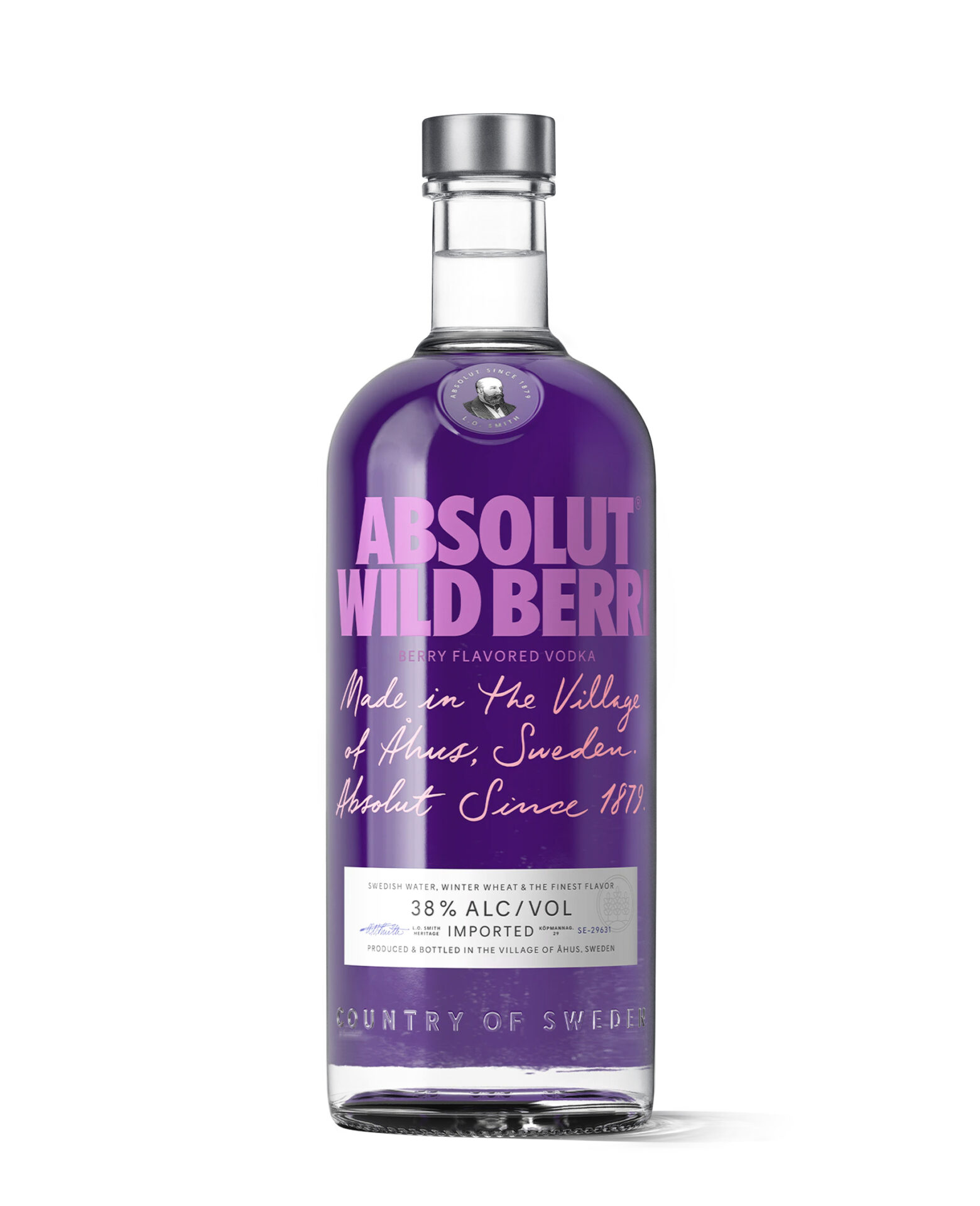
Wild Berri
2023 · 4 variants
A wild berry flavour.
-
100 2022
2022 · 2 variants
The 2022 issue of Absolut 100, a further restyling of the overproof black bottle that has anchored the range since 2007.
-
Smoky Piña
2022 · 1 variant
Smoked pineapple against chilli, and the bottle that opened the Absolut Nights range.
-
Blue Label 2021
2021 · 19 variants
A pared-back restyling of the standard bottle. After more than fifty years the printed text gives way to a handwritten “Swedish vodka”; Country of Sweden moves into the glass as an engraving, a paper label carries the product information and L.O. Smith's signature, and the back of the bottle takes an illustration of the village of Åhus.
-
Citron 2021
2021 · 7 variants
Citron on the 2021 bottle — the redesign that replaced printed text with handwriting and engraved Country of Sweden into the glass. The flavour itself has been in the core range since 1988.
-
Grapefruit 2021
2021 · 3 variants
Grapefruit as issued on the 2021 bottle, with handwritten wording and Country of Sweden engraved.
-
Lime 2021
2021 · 4 variants
Lime on the 2021 bottle, which replaced the printed text with handwriting and moved Country of Sweden into the glass.
-
Mandrin 2021
2021 · 5 variants
Mandrin carried onto the 2021 bottle, with the handwritten wording and the engraved Country of Sweden that came with that redesign.
-
Mango 2021
2021 · 4 variants
Mango as issued on the 2021 bottle, with its handwritten wording and engraved Country of Sweden.
-
Passionfruit 2021
2021 · 3 variants
Passionfruit on the 2021 bottle, with the handwritten wording and engraved origin of that redesign.
-
Peach
2021 · 3 variants
The 2021 peach, and a change of name: after sixteen years of Apeach the pun is dropped and the bottle simply reads Peach.
-
Pears 2021
2021 · 4 variants
Pears on the 2021 bottle — handwritten wording, Country of Sweden engraved rather than printed.
-
Peppar 2021
2021 · 4 variants
Peppar on the 2021 bottle, with handwritten wording and an engraved origin — still the flavour that started the category in 1986.
-
Raspberri 2021
2021 · 5 variants
Raspberri on the 2021 bottle, following the redesign that put the wording in handwriting and the origin in the glass.
-
Vanilia 2021
2021 · 4 variants
Vanilia carried onto the 2021 redesign, with handwritten wording and an engraved Country of Sweden.
-
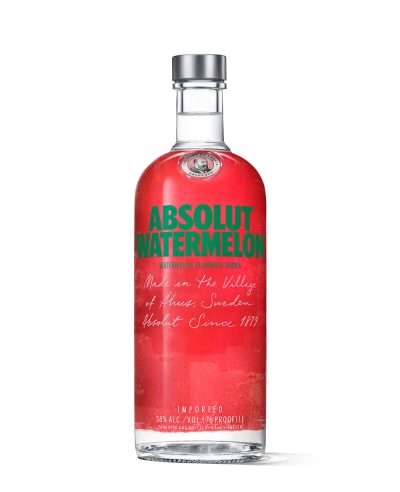
Watermelon
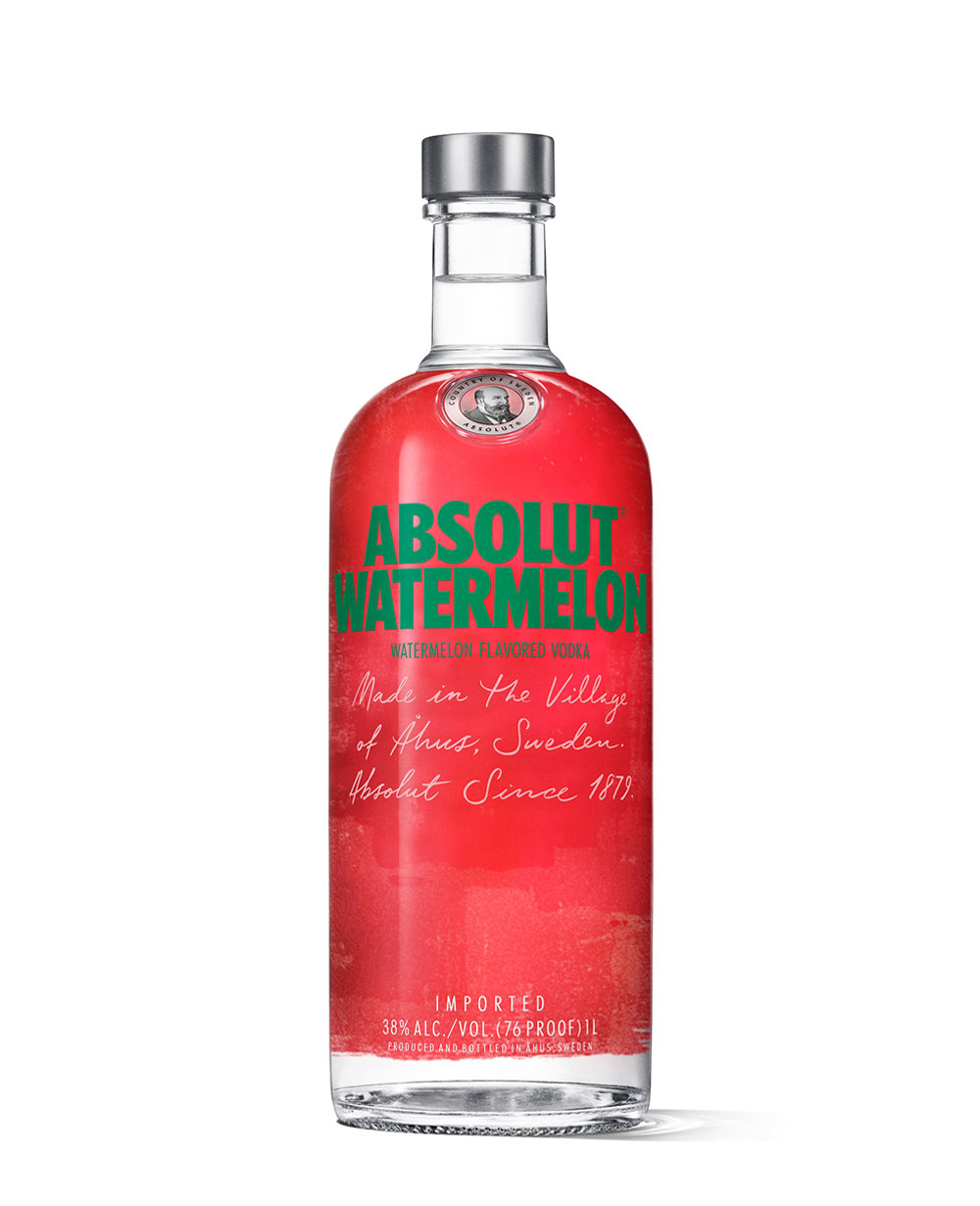
2021 · 5 variants
Watermelon, launched in 2021.
-
Watermelon 2021
2021 · 4 variants
Watermelon on the 2021 bottle, sharing the handwritten wording and engraved Country of Sweden of that year's redesign.
-
Passionfruit
2020 · 3 variants
A single-fruit flavour on passion fruit.
-
100 2019
2019 · 2 variants
The 2019 restyling of Absolut 100 breaks with the earlier bottles: the design is redrawn and the glass is blacked out from shoulder to base, making it the darkest bottle the line has produced.
-
Grapefruit
2018 · 6 variants
A single-fruit flavour launched in 2018, on grapefruit alone.
-
100 2017
2017 · 3 variants
A 2017 restyling of Absolut 100. The black bottle keeps the graphics introduced with the line, but is fitted with a new medallion — the detail collectors use to tell this run apart from the 2007 original.
-
Apeach 2017
2017 · 7 variants
The 2017 Apeach, identifiable by what is missing — Country of Sweden has been dropped from the logo.
-
Berri Açai 2017
2017 · 5 variants
Berri Açaí as issued in 2017: the 2014 artwork, the third medallion, and Country of Sweden gone from the logo.
-
Cherrys 2017
2017 · 3 variants
The 2017 Cherrys carries the artwork of 2014 and the third medallion, with Country of Sweden dropped from the logo.
-
Extrakt
2017 · 5 variants
A shot rather than a mixer: 35% ABV, infused with spice extracts and meant to be drunk cold. Launched in 2017 on green cardamom, in a green bottle, and pitched as a modern reading of the Swedish snaps.
-
Gräpe 2017
2017 · 2 variants
Gräpe as issued in 2017: the 2014 artwork, the third medallion, and Country of Sweden gone from the logo.
-
Lime
2017 · 6 variants
Nearly thirty years after Citron, Absolut finally settled on a lime. It took some doing — the brand's sensory director called lime the hardest complexity he had had to resolve in a thirty-year career — and the result is fresh and full-bodied on freshly pressed fruit, naturally flavoured with no sugar added. It was the first new flavour in four years.
-
Mango 2017
2017 · 3 variants
The 2017 Mango keeps the artwork of 2014 and drops Country of Sweden from the logo.
-
Vanilia 2017
2017 · 4 variants
The 2017 Vanilia keeps the 2016 artwork and drops Country of Sweden from the logo.
-
Äpple 2017
2017 · 3 variants
Äpple as issued in 2017: the 2014 artwork, the third medallion, and a logo from which Country of Sweden has disappeared.
-
Apeach 2016
2016 · 7 variants
Absolut Apeach as it stood in 2016: the 2013 artwork unchanged, distinguished only by the third medallion.
-
Berri Açai 2016
2016 · 3 variants
The same design as the one from 2014, but with the new medallion.
-
Cherrys 2016
2016 · 3 variants
Cherrys as issued in 2016, keeping the 2014 artwork and told apart by the third medallion.
-
Citron 2016
2016 · 8 variants
The third Citron: new text on the bottle, the third medallion, and a label with Country of Sweden removed.
-
Kurant 2016
2016 · 5 variants
The third Kurant, with new artwork and Country of Sweden dropped from the logo.
-
Mandrin 2016
2016 · 7 variants
The third Mandrin: a new medallion and a logo without Country of Sweden.
-
Mango 2016
2016 · 3 variants
Mango as issued in 2016 — the 2014 artwork, the third medallion, Country of Sweden still on the logo.
-
Pears 2016
2016 · 6 variants
Pears as issued in 2016: the artwork slightly redrawn from 2013, the third medallion, and Country of Sweden gone from the logo.
-
Peppar 2016
2016 · 4 variants
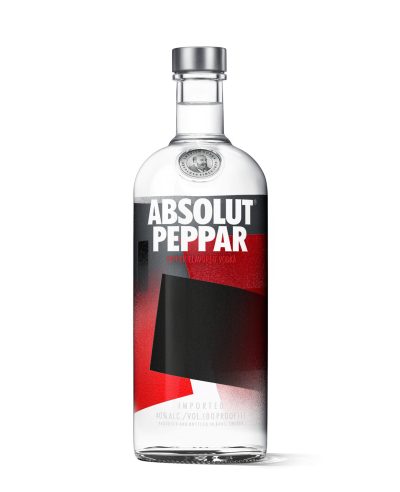
The third Peppar, issued in 2016.
-
Raspberri 2016
2016 · 7 variants
Raspberri as issued in 2016, with the third medallion and Country of Sweden dropped from the logo.
-
Ruby Red 2016
2016 · 7 variants
Ruby Red as issued in 2016: the 2014 artwork, the third medallion, Country of Sweden gone from the logo.
-
Vanilia 2016
2016 · 3 variants
Vanilia as issued in 2016 — the 2013 artwork with a new medallion.
-
Äpple 2016
2016 · 3 variants
The 2016 Äpple keeps the artwork introduced in 2014 and is told apart by its medallion, the third of the series.
-
Blue Label 2015
2015 · 15 variants
The 2015 redesign, run by the agency Brand Union and the most thorough reworking the bottle had had. The calligrapher Luca Barcellona cut a new script off Swedish lettering, simple and modern; the illustrator and engraver Martin Mörck redrew the medallion, putting Lars Olsson Smith on the glass at the height of his success. The silhouette was tightened at the same time — sharper shoulders, straighter neck and body, flattened base, less glass — and a brand signifier added to the back.
-
Berri Açai 2014
2014 · 5 variants
The 2014 Berri Açaí drops the artwork of the 2010 bottle for a new one, and carries the second medallion with Country of Sweden on the logo.
-
Cherrys 2014
2014 · 3 variants
Cherrys took over from Cherrykran in 2014 on the same three notes — sun-ripened cherry, white cranberry, sweet plum — mellow with a long berry finish, and flavoured naturally with no sugar added.
-
Gräpe 2014
2014 · 2 variants
Gräpe replaced Grapevine in 2014 on white grape, dragon fruit and papaya — floral at the front, faintly tropical behind, and easy enough to mix that one added ingredient makes a drink. Natural flavours, no sugar.
-
Mango 2014
2014 · 3 variants
The 2014 Mango takes new artwork, the second medallion, and a logo carrying Country of Sweden.
-
Orient Apple
2014 · 4 variants
Ripe red apple with a note of ginger, launched in 2011 and later replaced by Äpple under a shorter name. Naturally flavoured, no sugar added.
-
Ruby Red 2014
2014 · 7 variants
The 2014 Ruby Red takes new artwork, the second medallion, and a logo reading Country of Sweden.
-
Wild Tea 2014
2014 · 3 variants
The 2014 Wild Tea takes new artwork, the second medallion, and a logo reading Country of Sweden.
-
Äpple 2014
2014 · 3 variants
Absolut Äpple came to the core range in 2014 in place of Orient Apple, on ripe red apple lifted by a note of ginger. Like the rest of the family it is flavoured naturally, with no sugar added.
-
Apeach 2013
2013 · 7 variants
The 2013 restyling of Absolut Apeach. The graphics part company with the 2005 bottle, and the glass carries the second-generation medallion and a logo reading Country of Sweden.
-
Cilantro
2013 · 3 variants
Coriander and lime, taken straight from Latin American kitchens — aromatic, fresh, with a herbaceous kick on the finish. Launched in 2013, on natural flavours with no sugar added.
-
Citron 2013
2013 · 8 variants
The second-generation Citron, rewritten on the glass and given a new medallion in which L.O. Smith looks to the right.
-
Kurant 2013
2013 · 7 variants
The 2013 Kurant, on frosted glass with the text on the bottle rewritten.
-
Mandrin 2013
2013 · 8 variants
The second-generation Mandrin, with the text on the bottle rewritten from the 1999 version.
-
Pears 2013
2013 · 7 variants
The 2013 Pears takes new artwork, the second medallion, and a logo reading Country of Sweden.
-
Peppar 2013
2013 · 6 variants
The second-generation Peppar, restyled in 2013.
-
Raspberri 2013
2013 · 7 variants
The 2013 Raspberri takes new artwork, the second medallion, and a logo carrying Country of Sweden.
-
Vanilia 2013
2013 · 4 variants
The 2013 Vanilia: new artwork, the second medallion, Country of Sweden on the logo. Rich and complex under the vanilla, with butterscotch and a trace of dark chocolate.
-
Vanilia Experience this Rich
2013 · 4 variants
The Vanilia whose bottle text opens “Experience this rich…”, on a transparent logo.
-
Cherrykran
2012 · 3 variants
Cherry, white cranberry and sweet plum — a core flavour from 2012 that ran until Absolut Cherrys took its place. Mellow, with a long berry finish, and like the rest of the range flavoured naturally with no sugar added.
-
Hibiskus
2012 · 4 variants
Hibiscus against pomegranate: floral and fruity at once, sweet naturally rather than by addition, with a tang from the hibiscus cutting through the finish. Launched in 2012.
-
Blue Label 2011
2011 · 16 variants
The 2011 standard bottle. The text on the glass is rewritten ("Every drop..." version) and the medallion redrawn, with L.O. Smith now turned to the right.
-
Gräpevine
2011 · 3 variants
The first white grape, dragon fruit and papaya flavour, launched in 2011 and later replaced by Gräpe under a shortened name. Floral and fresh, natural flavours, no sugar — and built to need only one more ingredient to become a drink.
-
Berri Açai 2010
2010 · 5 variants
Berri Açaí entered the core range in 2010 on açaí, blueberry and pomegranate, a flavour drawn from berries and fruit gathered from around the world rather than from Sweden. No sugar, natural flavours only, over grain vodka distilled in the south of the country — and, cut with cranberry juice and orange liqueur, the basis of a Cosmopolitan.
-
Mango 2010
2010 · 4 variants
Ripe mango, full-bodied and juicy with tropical fruit behind it. Naturally flavoured, no sugar added.
-
Wild Tea 2010
2010 · 4 variants
Black tea against Scandinavian elderflower — dark and rich on one side, delicate on the other. The nose carries red apple, tea, elderflower and citrus; the taste is smooth and floral, naturally sweet, and finishes dry. Launched in 2010.
-
100 2007
2007 · 7 variants
Absolut 100 joined the core range in 2007, taking the place of the Red Label with an overproof spirit in an all-black bottle. Like the rest of the family it is made at Åhus from winter wheat and water from the estate's own deep well, with no sugar added; the higher strength gives it a spicier, denser character than the standard blue label.
-
Pears 2007
2007 · 7 variants
Pear, launched in 2007 — fresh and delicate rather than sugary, with a long fruity finish. Naturally flavoured, no sugar added.
-
Ruby Red 2006
2006 · 8 variants
Grapefruit, launched in 2006 — smooth and fruity with a zesty, crisp edge, on natural flavours with no sugar added.
-
Apeach 2005
2005 · 7 variants
Peach arrived in the core range in 2005 as Absolut Apeach, built like the rest of the family on natural flavour alone — no sugar added — for a mellow, rounded fruit rather than a sweet one. It shipped worldwide in every format from the 50 ml miniature to the litre.
-
Raspberri Feel the Intense
2004 · 7 variants
The 2004 launch of Absolut Raspberri — rich and intense on ripe raspberry, naturally flavoured with no sugar. This is the version whose text begins “Feel the intense…”.
-
Raspberri Feel the Rich
2004 · 5 variants
The Raspberri whose bottle text opens “Feel the rich…”, one of two wordings that circulated from the 2004 launch.
-
Vanilia Experience the Purest
2003 · 4 variants
Vanilla, launched in 2003 — rich and robust rather than sweet, with butterscotch and a trace of dark chocolate behind it. This is the first bottle, with a transparent logo and text opening “Experience the purest…”.
-
Mandrin 1999
1999 · 11 variants
The fourth flavour, after Peppar, Citron and Kurant, and an easy sell: mandarin and orange are among the most widely liked flavours anywhere. Launched in 1999, twenty years after the original — complex, smooth, with orange peel behind the fruit, and other citrus added to round it out.
-
Kurant Be Intrigued
1992 · 7 variants
A Kurant that differs from its predecessor in text and in colour — the words on the front are new, and Absolut Kurant is set in a darker shade.
-
Kurant This Superb
1992 · 9 variants
Black currant, and a deliberate piece of Swedishness: the berry is a staple of the country, and the 1992 launch was pitched as a nod to where the vodka comes from. It was very nearly called Absolut Vinbär, the Swedish word for it — until someone said it aloud in English and heard wine bar. Smooth and mellow on the fruit, with a tart edge.
-
Citron 1988
1988 · 13 variants
The lemon that made the Cosmopolitan. Citron arrived in 1988, nine years after the original and two after Peppar, aimed squarely at the vodka-on-the-rocks-with-a-twist crowd — and then found a second life as the base of the decade's biggest cocktail. Smooth and mellow on lemon and lime, with a note of peel; naturally flavoured, no sugar added.
-
Peppar 1986
1986 · 8 variants
The first flavoured vodka Absolut made, and the first flavoured vodka anyone made. The reasoning was practical: vodka and pepper are what a Bloody Mary is, and the Bloody Mary bars opening across Boston and New York in the mid-eighties wanted it in one bottle. Hot and spicy on green bell pepper, chilli and jalapeño, with roasted jalapeño, green tomato and dried herbs behind it — natural flavours, no sugar.
-
Blue Label 1979
1979 · 27 variants
The bottle that started it all, launched in 1979 and drawn from an eighteenth-century Swedish medicine bottle found in a Stockholm antique shop. The glass is unpainted, unlabelled and carries the text directly — no medallion at the shoulder on the earliest runs, which are also wider and lower than what followed. It appeared at several strengths across markets, and in a plastic version.
-
Red Label
1979 · 11 variants
The overproof bottling — 50% ABV, 100 proof — that ran from 1979 until 2006, when Absolut 100 took its place. Spicy and distinct, but smooth and velvety with it. Only three copies of one version are known, and it was never publicly released.
-
2026
Tabasco
4 variants
-
2024
Hunni
1 variant
A honey flavour, released in 2024.
Nordic Spice
1 variant
Cardamom and ginger, from the Absolut Nights range.
Orange Peel
1 variant
Aged orange peel against coffee, from the Absolut Nights range.
-
2023
Extrakt #2
1 variant
The second Extrakt, issued in 2023 with a new medallion and Country of Sweden embossed into the glass.
Paper bottle
2 variants
The first paper bottle any global spirits brand has actually sold: a single-mould paper body, one step on the way to a fully bio-based bottle.
Sensations
4 variants
A tropical fruit flavour, released in 2023.
Smoky Piña #2
2 variants
The second issue of Nights Smoky Piña, on the same smoked pineapple and chilli.
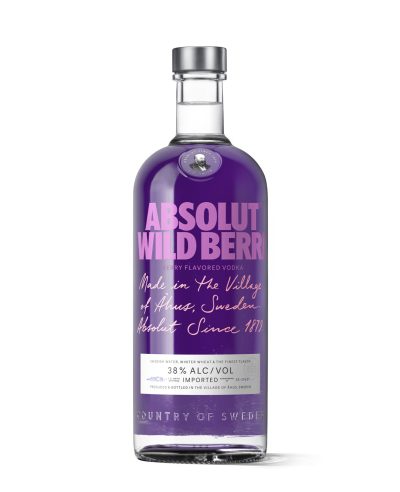
Wild Berri
4 variants
A wild berry flavour.
-
2022
100 2022
2 variants
The 2022 issue of Absolut 100, a further restyling of the overproof black bottle that has anchored the range since 2007.
Smoky Piña
1 variant
Smoked pineapple against chilli, and the bottle that opened the Absolut Nights range.
-
2021
Blue Label 2021
19 variants
A pared-back restyling of the standard bottle. After more than fifty years the printed text gives way to a handwritten “Swedish vodka”; Country of Sweden moves into the glass as an engraving, a paper label carries the product information and L.O. Smith's signature, and the back of the bottle takes an illustration of the village of Åhus.
Citron 2021
7 variants
Citron on the 2021 bottle — the redesign that replaced printed text with handwriting and engraved Country of Sweden into the glass. The flavour itself has been in the core range since 1988.
Grapefruit 2021
3 variants
Grapefruit as issued on the 2021 bottle, with handwritten wording and Country of Sweden engraved.
Lime 2021
4 variants
Lime on the 2021 bottle, which replaced the printed text with handwriting and moved Country of Sweden into the glass.
Mandrin 2021
5 variants
Mandrin carried onto the 2021 bottle, with the handwritten wording and the engraved Country of Sweden that came with that redesign.
Mango 2021
4 variants
Mango as issued on the 2021 bottle, with its handwritten wording and engraved Country of Sweden.
Passionfruit 2021
3 variants
Passionfruit on the 2021 bottle, with the handwritten wording and engraved origin of that redesign.
Peach
3 variants
The 2021 peach, and a change of name: after sixteen years of Apeach the pun is dropped and the bottle simply reads Peach.
Pears 2021
4 variants
Pears on the 2021 bottle — handwritten wording, Country of Sweden engraved rather than printed.
Peppar 2021
4 variants
Peppar on the 2021 bottle, with handwritten wording and an engraved origin — still the flavour that started the category in 1986.
Raspberri 2021
5 variants
Raspberri on the 2021 bottle, following the redesign that put the wording in handwriting and the origin in the glass.
Vanilia 2021
4 variants
Vanilia carried onto the 2021 redesign, with handwritten wording and an engraved Country of Sweden.
Watermelon
5 variants
Watermelon, launched in 2021.
Watermelon 2021
4 variants
Watermelon on the 2021 bottle, sharing the handwritten wording and engraved Country of Sweden of that year's redesign.
-
2020
Passionfruit
3 variants
A single-fruit flavour on passion fruit.
-
2019
100 2019
2 variants
The 2019 restyling of Absolut 100 breaks with the earlier bottles: the design is redrawn and the glass is blacked out from shoulder to base, making it the darkest bottle the line has produced.
-
2018
Grapefruit
6 variants
A single-fruit flavour launched in 2018, on grapefruit alone.
-
2017
100 2017
3 variants
A 2017 restyling of Absolut 100. The black bottle keeps the graphics introduced with the line, but is fitted with a new medallion — the detail collectors use to tell this run apart from the 2007 original.
Apeach 2017
7 variants
The 2017 Apeach, identifiable by what is missing — Country of Sweden has been dropped from the logo.
Berri Açai 2017
5 variants
Berri Açaí as issued in 2017: the 2014 artwork, the third medallion, and Country of Sweden gone from the logo.
Cherrys 2017
3 variants
The 2017 Cherrys carries the artwork of 2014 and the third medallion, with Country of Sweden dropped from the logo.
Extrakt
5 variants
A shot rather than a mixer: 35% ABV, infused with spice extracts and meant to be drunk cold. Launched in 2017 on green cardamom, in a green bottle, and pitched as a modern reading of the Swedish snaps.
Gräpe 2017
2 variants
Gräpe as issued in 2017: the 2014 artwork, the third medallion, and Country of Sweden gone from the logo.
Lime
6 variants
Nearly thirty years after Citron, Absolut finally settled on a lime. It took some doing — the brand's sensory director called lime the hardest complexity he had had to resolve in a thirty-year career — and the result is fresh and full-bodied on freshly pressed fruit, naturally flavoured with no sugar added. It was the first new flavour in four years.
Mango 2017
3 variants
The 2017 Mango keeps the artwork of 2014 and drops Country of Sweden from the logo.
Vanilia 2017
4 variants
The 2017 Vanilia keeps the 2016 artwork and drops Country of Sweden from the logo.
Äpple 2017
3 variants
Äpple as issued in 2017: the 2014 artwork, the third medallion, and a logo from which Country of Sweden has disappeared.
-
2016
Apeach 2016
7 variants
Absolut Apeach as it stood in 2016: the 2013 artwork unchanged, distinguished only by the third medallion.
Berri Açai 2016
3 variants
The same design as the one from 2014, but with the new medallion.
Cherrys 2016
3 variants
Cherrys as issued in 2016, keeping the 2014 artwork and told apart by the third medallion.
Citron 2016
8 variants
The third Citron: new text on the bottle, the third medallion, and a label with Country of Sweden removed.
Kurant 2016
5 variants
The third Kurant, with new artwork and Country of Sweden dropped from the logo.
Mandrin 2016
7 variants
The third Mandrin: a new medallion and a logo without Country of Sweden.
Mango 2016
3 variants
Mango as issued in 2016 — the 2014 artwork, the third medallion, Country of Sweden still on the logo.
Pears 2016
6 variants
Pears as issued in 2016: the artwork slightly redrawn from 2013, the third medallion, and Country of Sweden gone from the logo.
Peppar 2016
4 variants
The third Peppar, issued in 2016.
Raspberri 2016
7 variants
Raspberri as issued in 2016, with the third medallion and Country of Sweden dropped from the logo.
Ruby Red 2016
7 variants
Ruby Red as issued in 2016: the 2014 artwork, the third medallion, Country of Sweden gone from the logo.
Vanilia 2016
3 variants
Vanilia as issued in 2016 — the 2013 artwork with a new medallion.
Äpple 2016
3 variants
The 2016 Äpple keeps the artwork introduced in 2014 and is told apart by its medallion, the third of the series.
-
2015
Blue Label 2015
15 variants
The 2015 redesign, run by the agency Brand Union and the most thorough reworking the bottle had had. The calligrapher Luca Barcellona cut a new script off Swedish lettering, simple and modern; the illustrator and engraver Martin Mörck redrew the medallion, putting Lars Olsson Smith on the glass at the height of his success. The silhouette was tightened at the same time — sharper shoulders, straighter neck and body, flattened base, less glass — and a brand signifier added to the back.
-
2014
Berri Açai 2014
5 variants
The 2014 Berri Açaí drops the artwork of the 2010 bottle for a new one, and carries the second medallion with Country of Sweden on the logo.
Cherrys 2014
3 variants
Cherrys took over from Cherrykran in 2014 on the same three notes — sun-ripened cherry, white cranberry, sweet plum — mellow with a long berry finish, and flavoured naturally with no sugar added.
Gräpe 2014
2 variants
Gräpe replaced Grapevine in 2014 on white grape, dragon fruit and papaya — floral at the front, faintly tropical behind, and easy enough to mix that one added ingredient makes a drink. Natural flavours, no sugar.
Mango 2014
3 variants
The 2014 Mango takes new artwork, the second medallion, and a logo carrying Country of Sweden.
Orient Apple
4 variants
Ripe red apple with a note of ginger, launched in 2011 and later replaced by Äpple under a shorter name. Naturally flavoured, no sugar added.
Ruby Red 2014
7 variants
The 2014 Ruby Red takes new artwork, the second medallion, and a logo reading Country of Sweden.
Wild Tea 2014
3 variants
The 2014 Wild Tea takes new artwork, the second medallion, and a logo reading Country of Sweden.
Äpple 2014
3 variants
Absolut Äpple came to the core range in 2014 in place of Orient Apple, on ripe red apple lifted by a note of ginger. Like the rest of the family it is flavoured naturally, with no sugar added.
-
2013
Apeach 2013
7 variants
The 2013 restyling of Absolut Apeach. The graphics part company with the 2005 bottle, and the glass carries the second-generation medallion and a logo reading Country of Sweden.
Cilantro
3 variants
Coriander and lime, taken straight from Latin American kitchens — aromatic, fresh, with a herbaceous kick on the finish. Launched in 2013, on natural flavours with no sugar added.
Citron 2013
8 variants
The second-generation Citron, rewritten on the glass and given a new medallion in which L.O. Smith looks to the right.
Kurant 2013
7 variants
The 2013 Kurant, on frosted glass with the text on the bottle rewritten.
Mandrin 2013
8 variants
The second-generation Mandrin, with the text on the bottle rewritten from the 1999 version.
Pears 2013
7 variants
The 2013 Pears takes new artwork, the second medallion, and a logo reading Country of Sweden.
Peppar 2013
6 variants
The second-generation Peppar, restyled in 2013.
Raspberri 2013
7 variants
The 2013 Raspberri takes new artwork, the second medallion, and a logo carrying Country of Sweden.
Vanilia 2013
4 variants
The 2013 Vanilia: new artwork, the second medallion, Country of Sweden on the logo. Rich and complex under the vanilla, with butterscotch and a trace of dark chocolate.
Vanilia Experience this Rich
4 variants
The Vanilia whose bottle text opens “Experience this rich…”, on a transparent logo.
-
2012
Cherrykran
3 variants
Cherry, white cranberry and sweet plum — a core flavour from 2012 that ran until Absolut Cherrys took its place. Mellow, with a long berry finish, and like the rest of the range flavoured naturally with no sugar added.
Hibiskus
4 variants
Hibiscus against pomegranate: floral and fruity at once, sweet naturally rather than by addition, with a tang from the hibiscus cutting through the finish. Launched in 2012.
-
2011
Blue Label 2011
16 variants
The 2011 standard bottle. The text on the glass is rewritten ("Every drop..." version) and the medallion redrawn, with L.O. Smith now turned to the right.
Gräpevine
3 variants
The first white grape, dragon fruit and papaya flavour, launched in 2011 and later replaced by Gräpe under a shortened name. Floral and fresh, natural flavours, no sugar — and built to need only one more ingredient to become a drink.
-
2010
Berri Açai 2010
5 variants
Berri Açaí entered the core range in 2010 on açaí, blueberry and pomegranate, a flavour drawn from berries and fruit gathered from around the world rather than from Sweden. No sugar, natural flavours only, over grain vodka distilled in the south of the country — and, cut with cranberry juice and orange liqueur, the basis of a Cosmopolitan.
Mango 2010
4 variants
Ripe mango, full-bodied and juicy with tropical fruit behind it. Naturally flavoured, no sugar added.
Wild Tea 2010
4 variants
Black tea against Scandinavian elderflower — dark and rich on one side, delicate on the other. The nose carries red apple, tea, elderflower and citrus; the taste is smooth and floral, naturally sweet, and finishes dry. Launched in 2010.
-
2007
100 2007
7 variants
Absolut 100 joined the core range in 2007, taking the place of the Red Label with an overproof spirit in an all-black bottle. Like the rest of the family it is made at Åhus from winter wheat and water from the estate's own deep well, with no sugar added; the higher strength gives it a spicier, denser character than the standard blue label.
Pears 2007
7 variants
Pear, launched in 2007 — fresh and delicate rather than sugary, with a long fruity finish. Naturally flavoured, no sugar added.
-
2006
Ruby Red 2006
8 variants
Grapefruit, launched in 2006 — smooth and fruity with a zesty, crisp edge, on natural flavours with no sugar added.
-
2005
Apeach 2005
7 variants
Peach arrived in the core range in 2005 as Absolut Apeach, built like the rest of the family on natural flavour alone — no sugar added — for a mellow, rounded fruit rather than a sweet one. It shipped worldwide in every format from the 50 ml miniature to the litre.
-
2004
Raspberri Feel the Intense
7 variants
The 2004 launch of Absolut Raspberri — rich and intense on ripe raspberry, naturally flavoured with no sugar. This is the version whose text begins “Feel the intense…”.
Raspberri Feel the Rich
5 variants
The Raspberri whose bottle text opens “Feel the rich…”, one of two wordings that circulated from the 2004 launch.
-
2003
Vanilia Experience the Purest
4 variants
Vanilla, launched in 2003 — rich and robust rather than sweet, with butterscotch and a trace of dark chocolate behind it. This is the first bottle, with a transparent logo and text opening “Experience the purest…”.
-
1999
Mandrin 1999
11 variants
The fourth flavour, after Peppar, Citron and Kurant, and an easy sell: mandarin and orange are among the most widely liked flavours anywhere. Launched in 1999, twenty years after the original — complex, smooth, with orange peel behind the fruit, and other citrus added to round it out.
-
1992
Kurant Be Intrigued
7 variants
A Kurant that differs from its predecessor in text and in colour — the words on the front are new, and Absolut Kurant is set in a darker shade.
Kurant This Superb
9 variants
Black currant, and a deliberate piece of Swedishness: the berry is a staple of the country, and the 1992 launch was pitched as a nod to where the vodka comes from. It was very nearly called Absolut Vinbär, the Swedish word for it — until someone said it aloud in English and heard wine bar. Smooth and mellow on the fruit, with a tart edge.
-
1988
Citron 1988
13 variants
The lemon that made the Cosmopolitan. Citron arrived in 1988, nine years after the original and two after Peppar, aimed squarely at the vodka-on-the-rocks-with-a-twist crowd — and then found a second life as the base of the decade's biggest cocktail. Smooth and mellow on lemon and lime, with a note of peel; naturally flavoured, no sugar added.
-
1986
Peppar 1986
8 variants
The first flavoured vodka Absolut made, and the first flavoured vodka anyone made. The reasoning was practical: vodka and pepper are what a Bloody Mary is, and the Bloody Mary bars opening across Boston and New York in the mid-eighties wanted it in one bottle. Hot and spicy on green bell pepper, chilli and jalapeño, with roasted jalapeño, green tomato and dried herbs behind it — natural flavours, no sugar.
-
1979
Blue Label 1979
27 variants
The bottle that started it all, launched in 1979 and drawn from an eighteenth-century Swedish medicine bottle found in a Stockholm antique shop. The glass is unpainted, unlabelled and carries the text directly — no medallion at the shoulder on the earliest runs, which are also wider and lower than what followed. It appeared at several strengths across markets, and in a plastic version.
Red Label
11 variants
The overproof bottling — 50% ABV, 100 proof — that ran from 1979 until 2006, when Absolut 100 took its place. Spicy and distinct, but smooth and velvety with it. Only three copies of one version are known, and it was never publicly released.